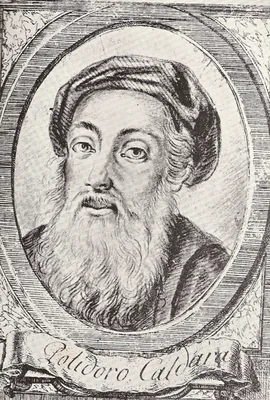
Polidoro da Caravaggio
Polidoro Caldara, usually known as Polidoro da Caravaggio (c. 1499-1543), stands as a pivotal figure in the development of early Mannerism and is frequently cited as arguably the most unconventional and technically gifted among the immediate pupils of Raphael. Operating primarily in Rome following the death of his master in 1520, Polidoro redefined large-scale architectural decoration, moving beyond conventional fresco cycles to employ dynamic, often monochromatic, compositions directly onto building exteriors.
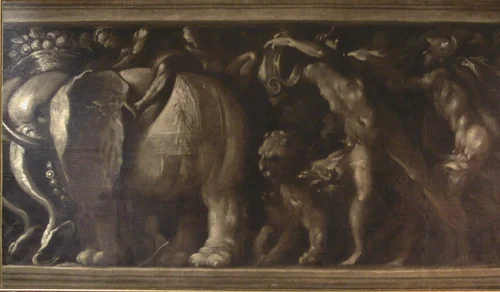
The core of Polidoro's genius lay in these innovative facade paintings, which became the standard for street-facing palace ornamentation in sixteenth-century Rome. Executed largely in sgraffito or grisaille, these monumental works provided the city with a temporary, spectacular visual identity, transforming grand architecture into a canvas for classical narratives and complex illusionistic reliefs. While nearly all of these original Polidoro da Caravaggio paintings have been destroyed by time and exposure, their immediate historical impact was profound, influencing generations of subsequent decorators.
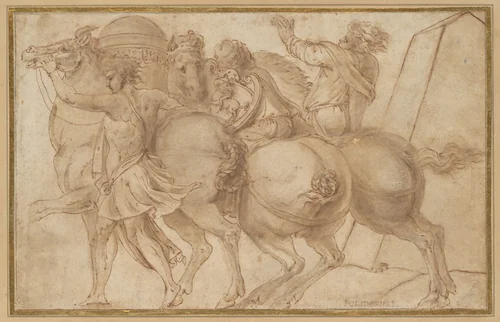
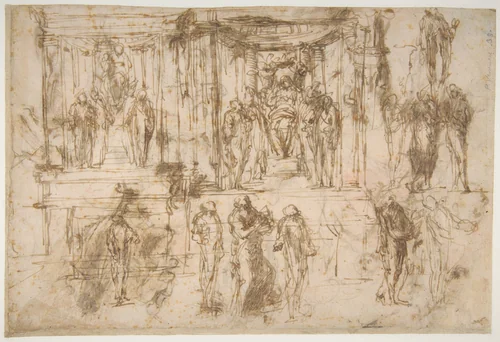
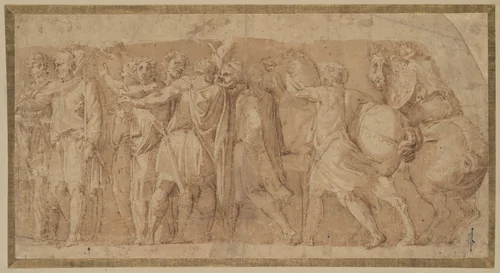
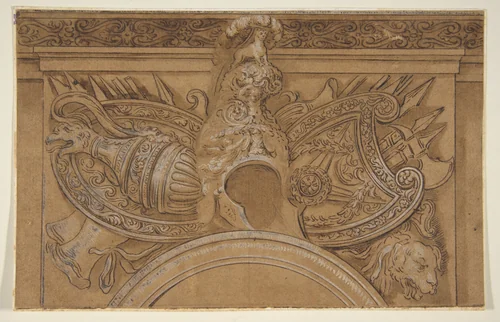
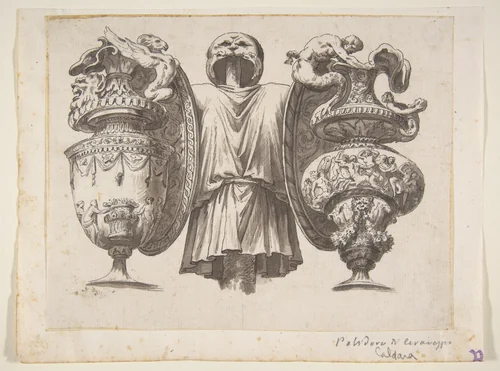
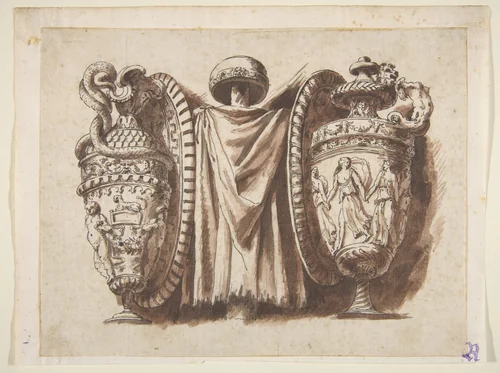
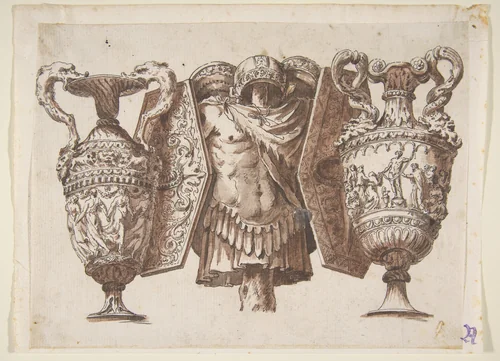
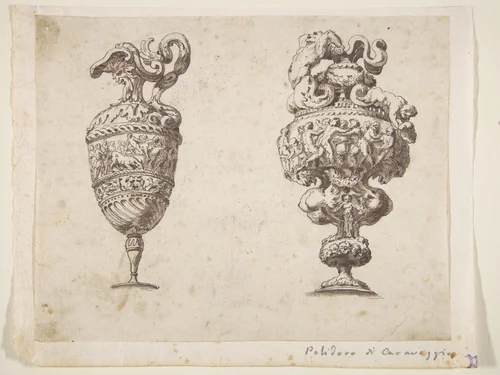
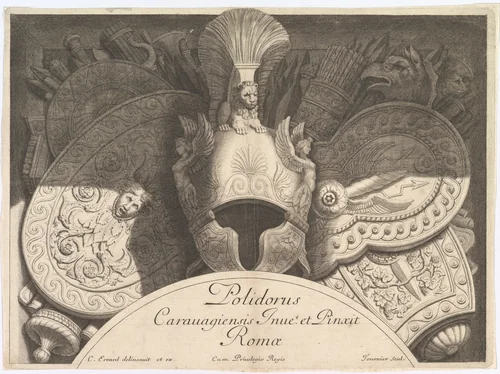
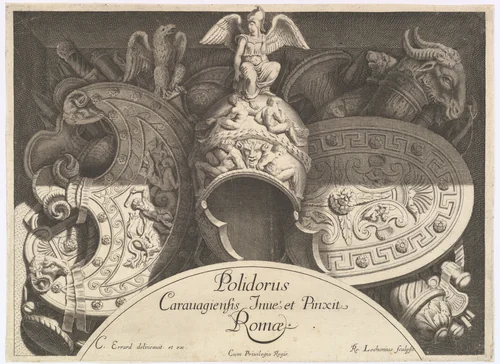
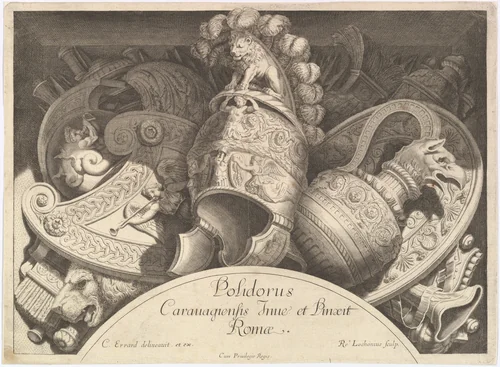
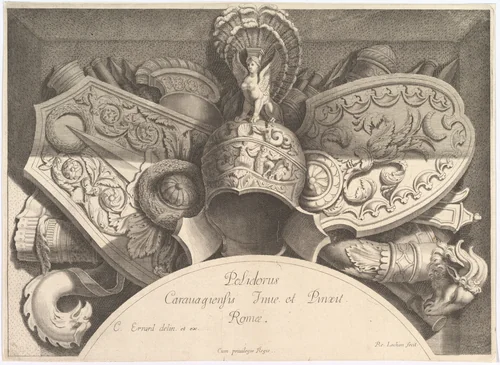
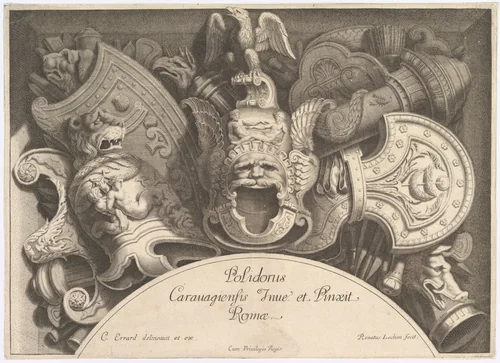
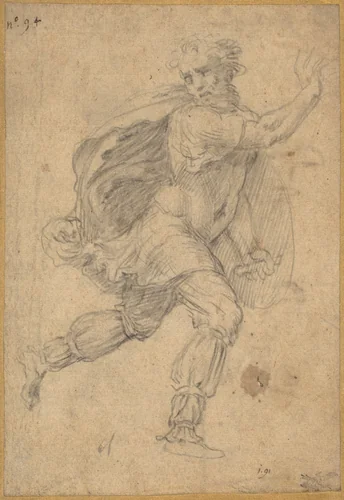
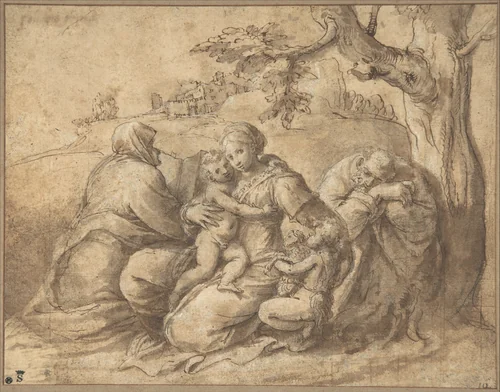
Fortunately, the artist’s prodigious output of preparatory drawings and independent compositions ensures his legacy remains legible. Collections worldwide, including the Metropolitan Museum of Art and the National Gallery of Art, house essential examples of his inventive draftsmanship, preserving his sophisticated approach to mythological, religious, and decorative subjects. Drawings such as Design for a Crucifix with the Virgin Mary, Saint Mary Magdalen, and Saint John or the architectural study Design for a Vase reveal an energy and dynamism that anticipate later Baroque developments. These works function as invaluable records, offering museum-quality glimpses into the scale and complexity of his vanished commissions.
It is a curious historical coincidence that Polidoro shares his Lombardian hometown name with the later, revolutionary master Michelangelo Merisi. Both artists hailed from the town of Caravaggio, yet they were entirely unrelated, separated by generations and vastly divergent artistic philosophies. Despite the physical loss of his defining Roman works, Polidoro’s influence persists. His designs, many now in the public domain, are available as high-quality prints, allowing the full scope of his decorative imagination to be appreciated centuries later.
Source: Wikipedia · CC BY-SA 4.0
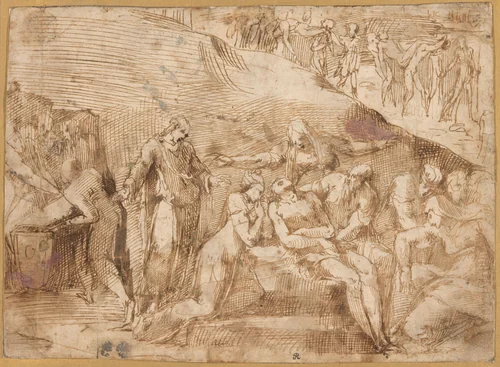
![A Deathbed Scene [recto] by Polidoro da Caravaggio, drawing, 1516-1526](https://img.artbee.org/5fd2f4e9-07f7-4e7e-b159-75df7d6bf13b/small.webp)
![Woman Seated with a Piece of Cloth [verso] by Polidoro da Caravaggio, drawing, 1521-1522](https://img.artbee.org/1b8a2fa1-5190-4b27-871c-fb3448b6ba2d/small.webp)