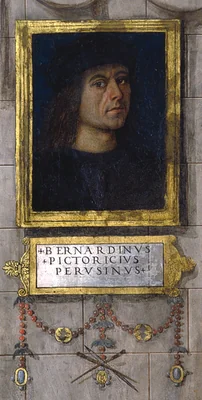
Pinturicchio
Pinturicchio, born Benetto di Biagio and also known by the familiar Sordicchio, stands as a critical figure in the transition of Italian painting between the Quattrocento and the high Renaissance. Active from the mid-15th century until his death in 1504, his legacy rests primarily on large-scale decorative cycles executed in fresco, characterized by their detailed narratives, vibrant luminosity, and sophisticated use of classical architectural elements. His meticulous application of color and gold leaf made his works immensely popular with prominent patrons, including the Vatican curia.
The artist is almost universally known by his adopted name, Pinturicchio, a nickname derived from his physically small stature. This affectionate moniker, meaning “little painter,” was one he embraced, using it frequently to sign the Pinturicchio paintings he executed during his prolific career in the fifteenth and sixteenth centuries. This small fact provides a rare, grounded observation into an artist whose primary contributions were often sweeping, monumental commissions, demanding complex logistical coordination.
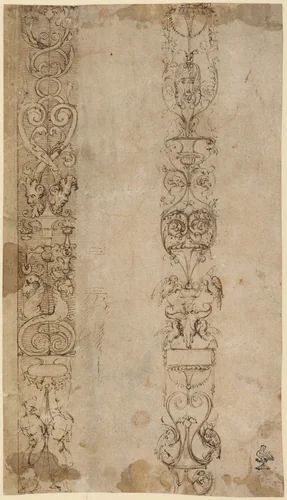
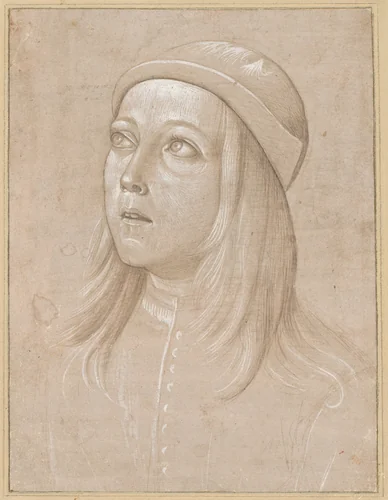
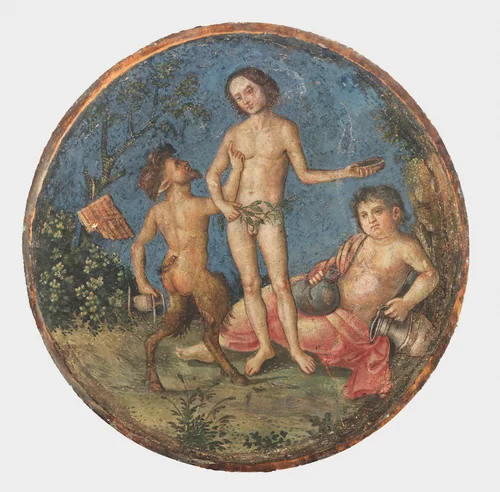
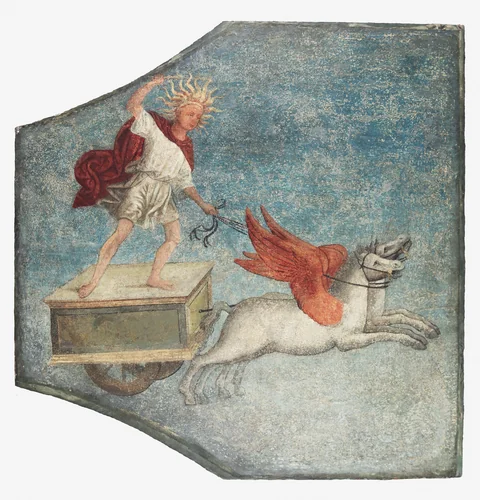
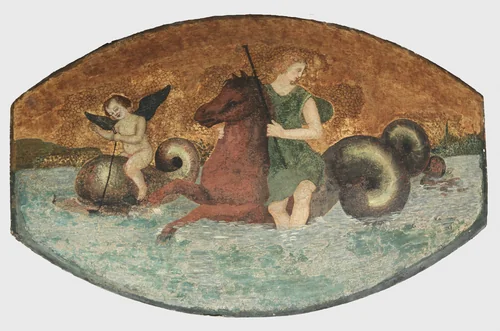
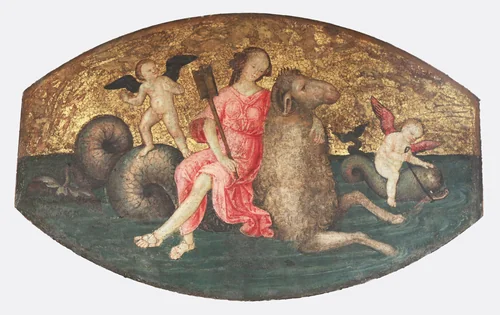
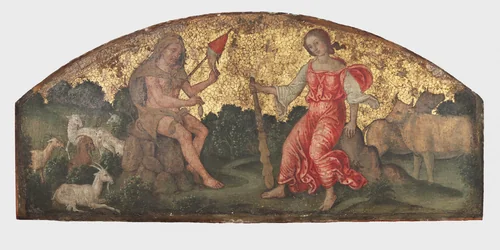
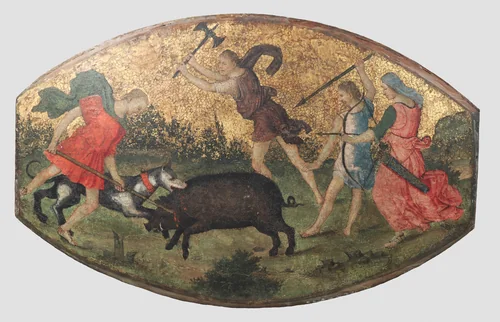
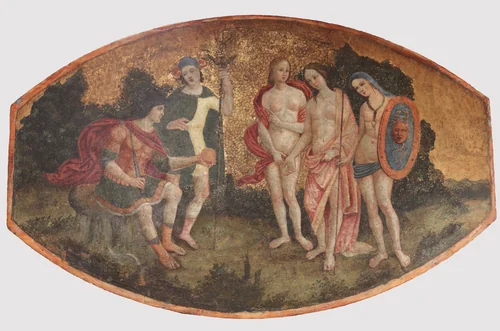
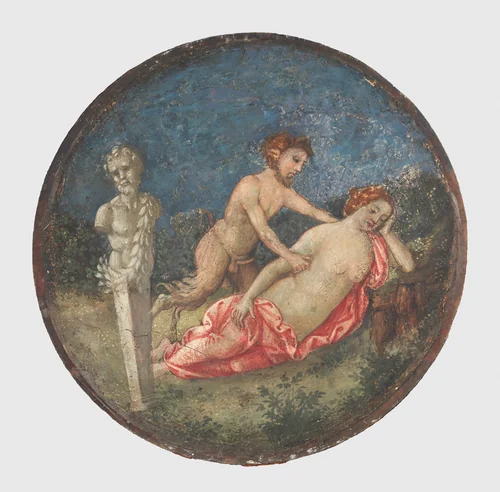
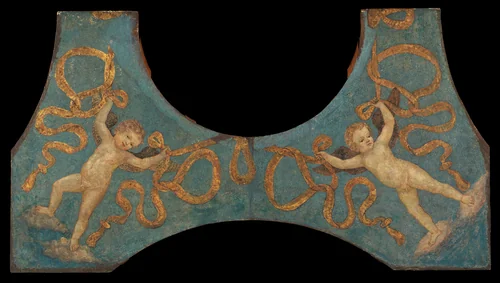
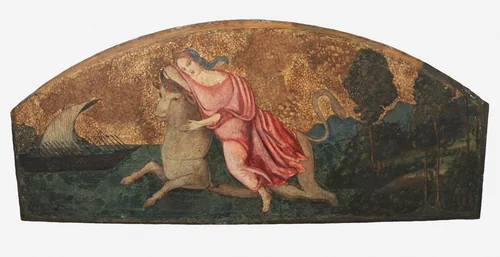
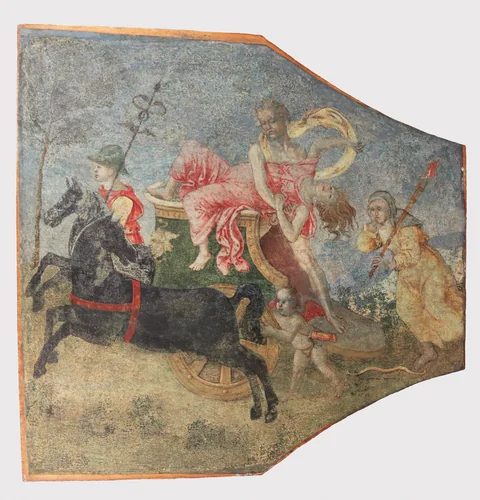
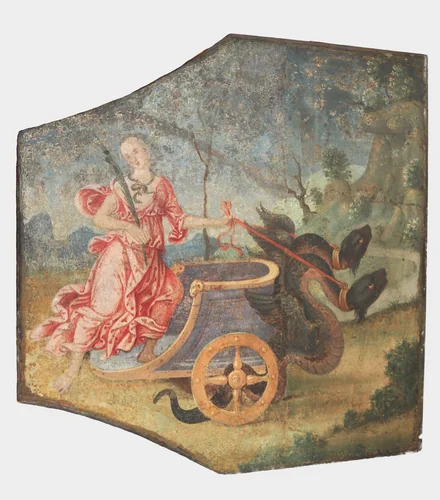
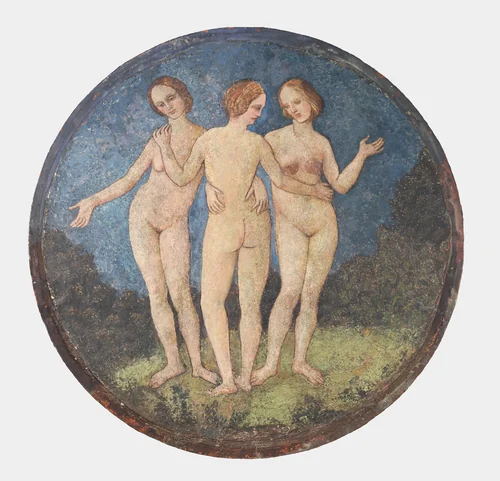
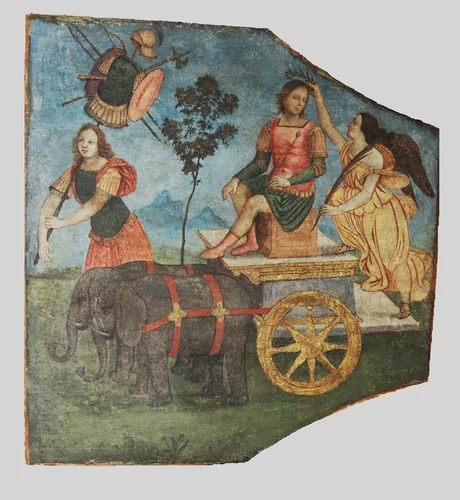
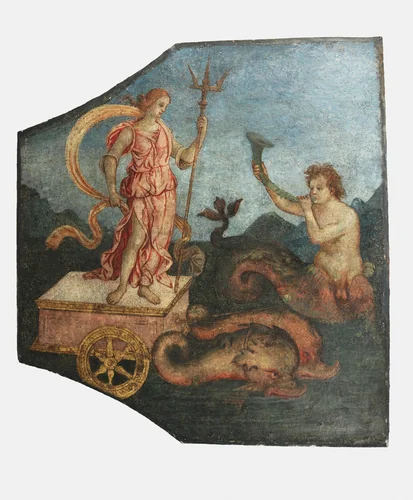
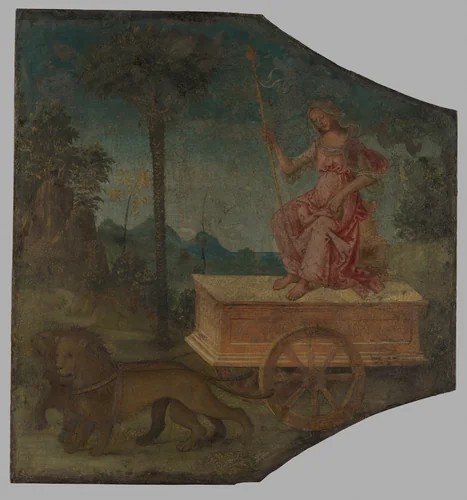
Pinturicchio’s technical skill extended beyond religious narratives. He was instrumental in reviving and popularizing the grotesque style, drawing inspiration from the newly rediscovered decorations of ancient Roman villas and transforming them into whimsical, yet structurally sound, ornamentations, as seen in his dedicated study Grotteschi. His surviving works showcase a versatility ranging from sensitive portraits, such as Head of a Youth Looking Up, to complex mythological scenes like Bacchus, Pan and Silenus and the dynamic Chariot of Apollo. The depth of his surviving oeuvre, spanning 13 paintings and two preparatory drawings in this collection alone, affirms the breadth of his influence across the Italian peninsula.
Though highly sought after and well-remunerated in his lifetime, Pinturicchio’s importance today is underscored by the inclusion of his museum-quality works in major institutions like the Metropolitan Museum of Art and the National Gallery of Art. Fortunately, much of his drawing and print work has passed into the public domain, offering enthusiasts and scholars access to high-quality prints and royalty-free downloadable artwork, ensuring his vision remains accessible far beyond the physical collections.
Source: Wikipedia · CC BY-SA 4.0