Pietro Santi Bartoli
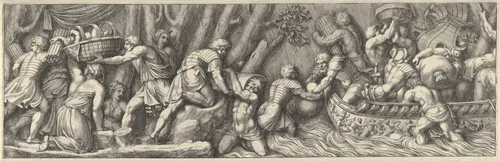
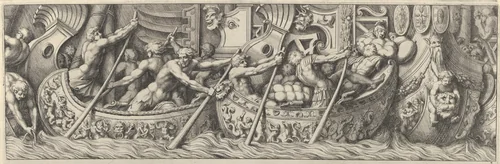
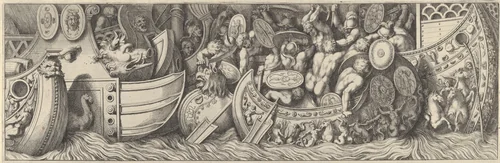
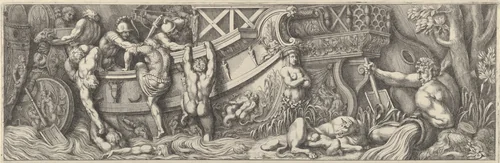
Pietro Santi Bartoli (active c. 1630-1650) was a multi-faceted Italian practitioner who occupied a critical junction between artistic execution and antiquarian study. Serving variously as an engraver, draughtsman, and painter, Bartoli’s principal historical contribution was rooted in his meticulous reproductive printmaking. Working during the mid-seventeenth century, a period marked by high demand for visual records of classical and Renaissance masterpieces, Bartoli successfully bridged the gap between monumental fresco cycles and the portable, accessible medium of the printed plate.
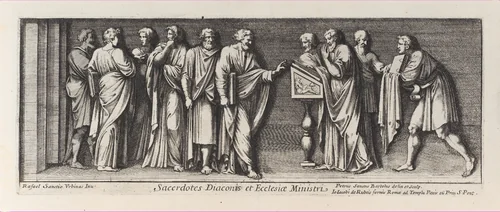
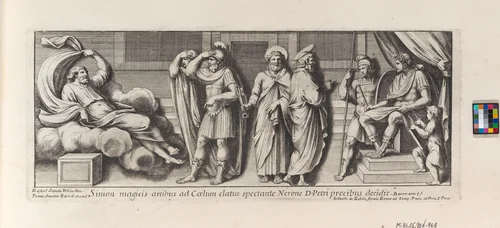
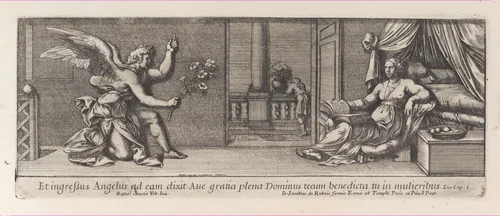
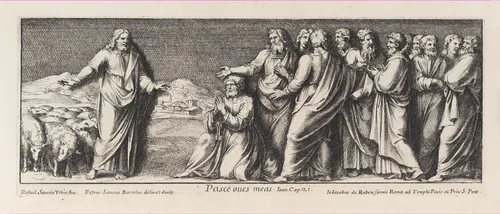
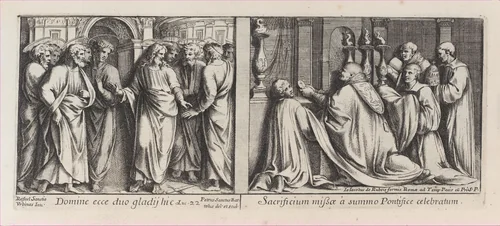
Bartoli is best recognized today for his documentation of the Vatican’s most celebrated achievements. A significant undertaking involved translating the complexity and scale of Raphael’s High Renaissance masterpieces into detailed engravings. This crucial series, comprising approximately fifteen plates, provided vital visual access to the vast compositions of the Vatican stanze and the Sistine Chapel tapestries. These works required not merely technical skill but a profound interpretive capacity to convey the volumetric form and compositional structure of the original designs, seen in plates such as Christ appearing to Saint Peter after the Resurrection (Domine Quo Vadis).
His dedication to rendering these massive works into museum-quality reproductions ensured that the grandeur of the Renaissance was shared across Europe long before the advent of modern photography. These detailed Pietro Santi Bartoli prints helped establish the visual curriculum for subsequent generations of artists and collectors.
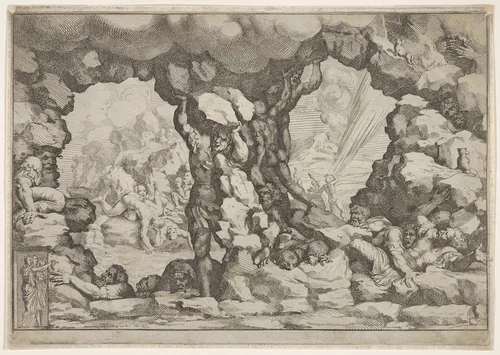
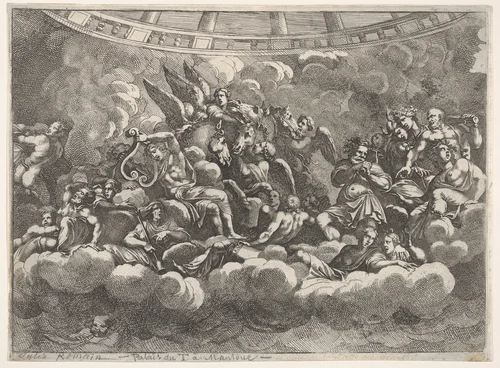
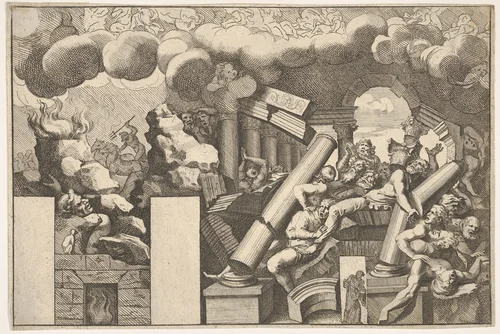
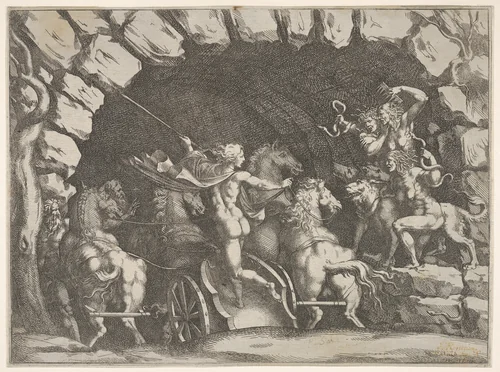
Bartoli’s interests extended beyond Renaissance reproduction into classical mythology, reflecting his concurrent role as an antiquary. His ability to render narrative with clarity is evident in works like Hylas and the Water Nymphs and the depiction of Io at the left as a cow. It is perhaps telling that Bartoli, the draughtsman responsible for documenting the grand sacred history of the Vatican, devoted equal attention to capturing the peculiar, often dramatic, details within mythological scenes, such as the putti holding an eagle captive in the lower corner of the Jupiter and Juno compositions. This precise, scholarly interest in visual detail ensures his surviving works, often available today as downloadable artwork in the public domain, remain an invaluable record of seventeenth-century artistic and antiquarian practice.
Source: Wikipedia · CC BY-SA 4.0