Pietro Fancelli
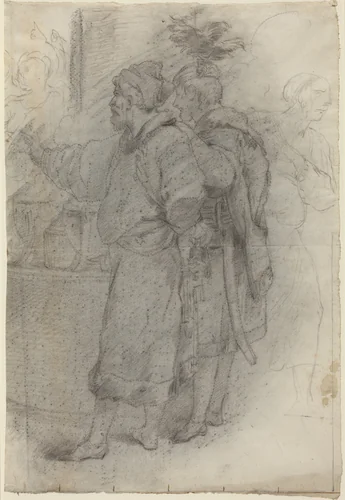
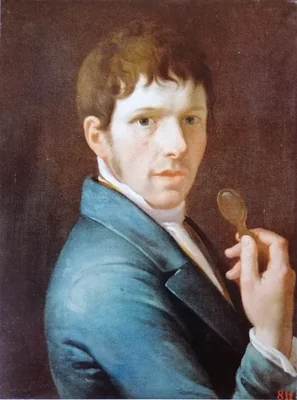
Pietro Fancelli (active 1764-1820) was a highly proficient Italian draftsman, painter, and set-designer whose surviving oeuvre provides essential insight into the late Neoclassical approach to monumental design and theatrical illusion. Though specific biographical details remain sparse, Fancelli’s significance is assured by the rigorous quality of his surviving drawings, which reside in prestigious American collections, including the National Gallery of Art, the Cleveland Museum of Art, and the Metropolitan Museum of Art.
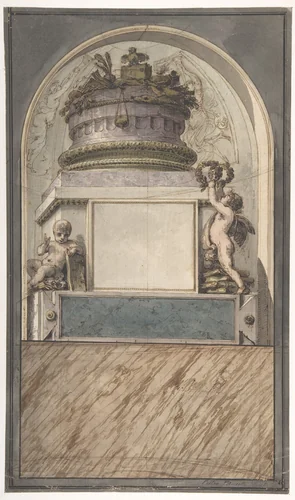
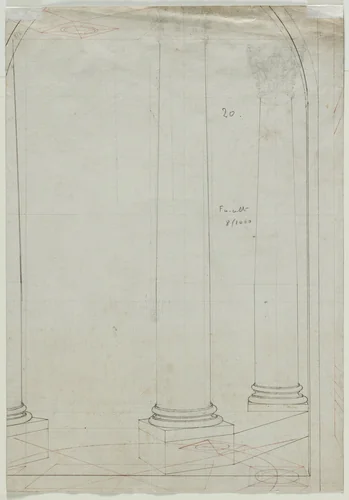
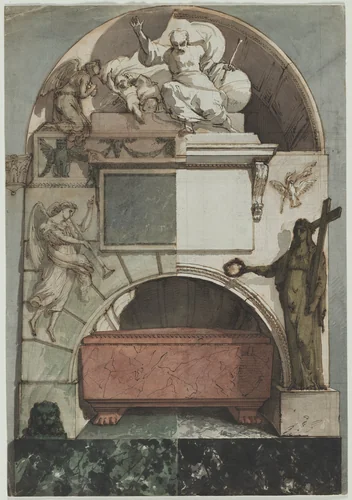
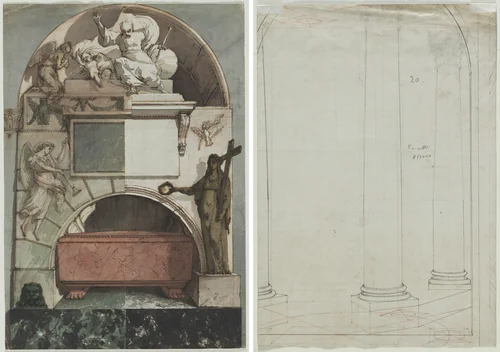
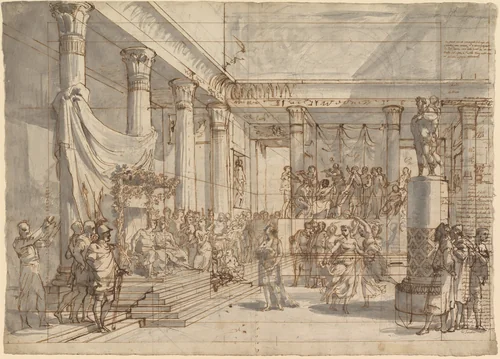
Fancelli specialized in large-scale preparatory work, often executing designs intended for frescoes, elaborate public monuments, or complex stage scenery. His duality as a set-designer and a conceptual architect frequently informed his aesthetic; his drawings are characterized by dramatic lighting, strong linear perspective, and the illusion of immense depth, suggesting the influence of quadratura masters. His facility with architectural elements is highly evident in works such as the detailed combined sheet Design for a Fresco of an Artist's Tomb in the Certosa of Bologna and the associated Architectural Drawing of Columns on its verso.
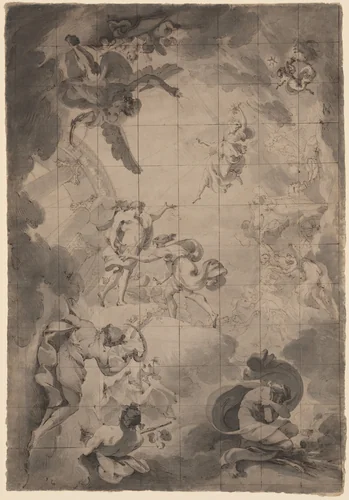
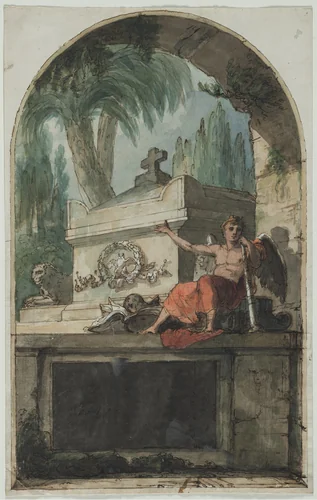
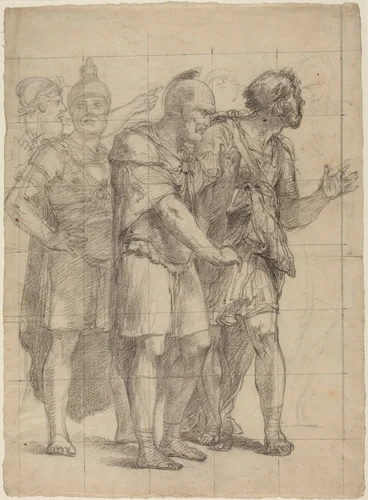
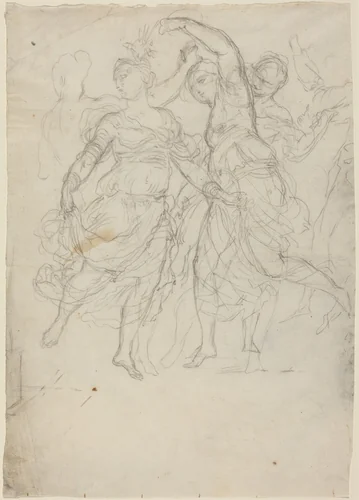
While many artists sought fame in depicting the vanity of the living, Fancelli displayed a particular, almost witty expertise in designing the eternal rest of others. He produced detailed conceptions of ideal burial sites that expertly balanced classical restraint with dramatic presentation, underscoring his role as a visual orchestrator of civic memory and grand allegory. Sheets like Studies of Aurora and Apollo reveal the academic rigor of his training, showcasing his skill in rendering the human form within a compelling mythological or allegorical context.
His drawings, typically rendered in pen, ink, and wash, demonstrate the assured hand necessary for the technical requirements of late 18th-century design commissions. Although examples of Pietro Fancelli paintings are rare, his conceptual and preparatory works remain influential documents. Due to dedicated museum acquisition efforts, these historic designs have often entered the public domain, ensuring that high-quality prints and downloadable artwork of his monumental concepts are readily accessible for contemporary study and appreciation.
Source: Wikipedia · CC BY-SA 4.0