Pietro di Cristoforo Vannucci
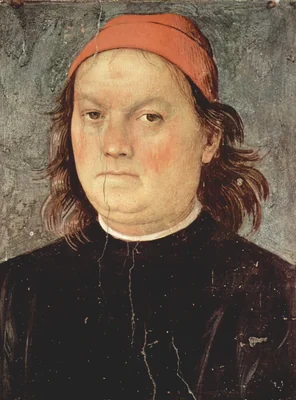
Pietro di Cristoforo Vannucci (c. 1446-1523), known universally as Perugino, stands as one of the most significant Italian Renaissance painters of the Umbrian school. Active during the transitional years between the Early and High Renaissance, his prolific output from approximately 1469 to 1501 codified many of the artistic principles-clarity, symmetry, and serene compositional structure-that would define the subsequent classical period.
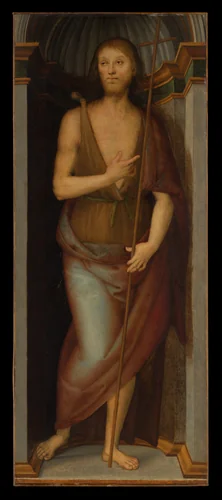
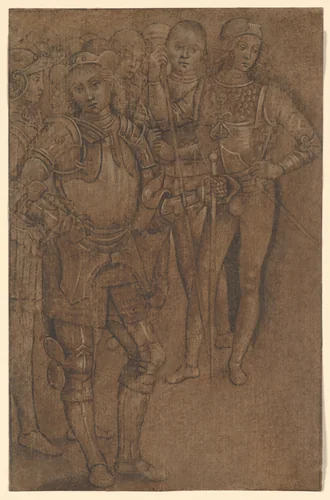
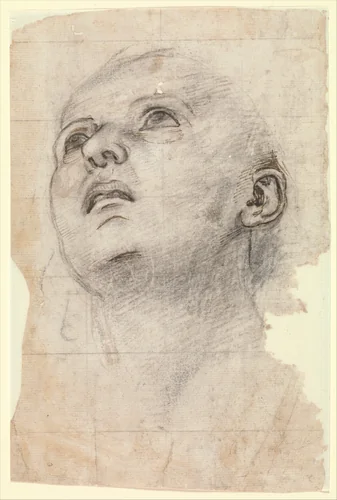
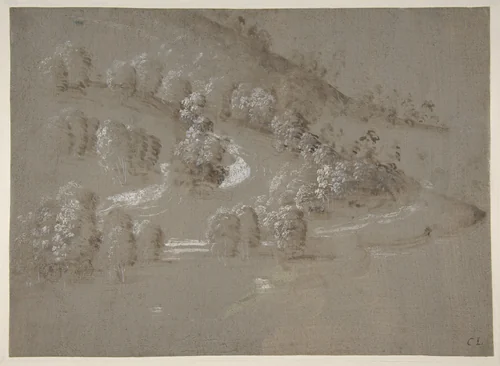
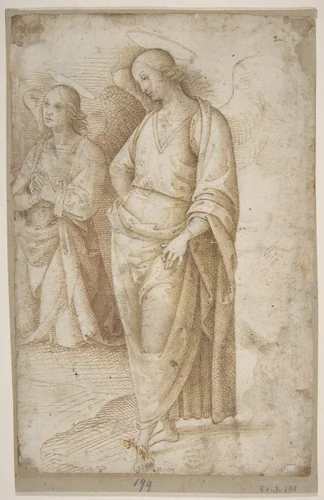
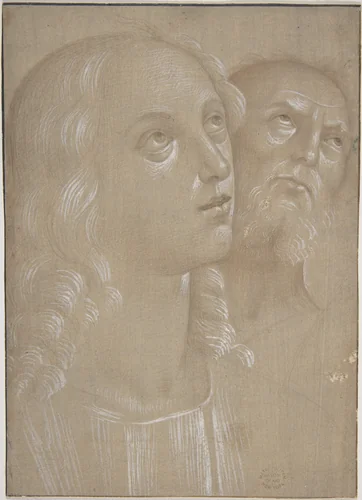
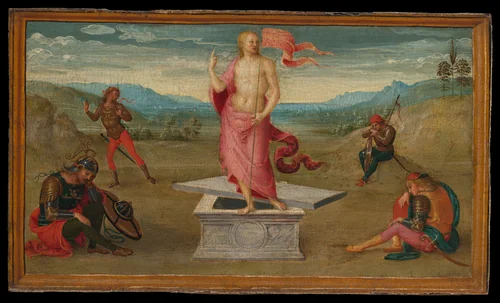
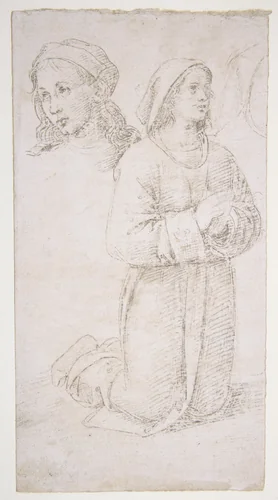
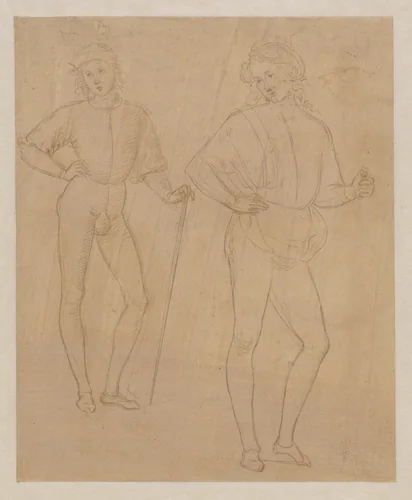
Perugino’s visual language is characterized by an idealized sense of spatial harmony, often realized through expansive, atmospheric backgrounds and figures rendered with a graceful, pious naturalism. This distinctive approach is evident across his oeuvre, encompassing both large altarpieces and smaller, intimate studies. His contributions to drawing are preserved in collections worldwide, including the Metropolitan Museum of Art, which holds seven documented drawings and two paintings. These include the figure studies Saint John the Baptist; Saint Lucy and the dynamic Group of Warriors Standing, as well as the crucial double-sided study Landscape (recto); Landscape (verso). These drawings offer crucial insight into his masterful preparatory techniques, often featuring fine metalpoint work foundational to Renaissance practice.
The historical significance of Perugino is perhaps best validated by his status as the primary master of Raphael Sanzio. It was in Perugino’s workshop that the young genius learned the technical discipline and the pursuit of formal perfection that would define the High Renaissance style. Indeed, early Pietro di Cristoforo Vannucci paintings and Raphael’s first independent works share such striking stylistic similarities that distinguishing their hands has sometimes proven difficult for scholars. This influence is less a sign of imitation than a profound transfer of aesthetic philosophy.
A peculiar observation about Perugino’s legacy is the relentless consistency of his style; while many contemporaries adapted their mannerisms to the evolving artistic tastes of the sixteenth century, Perugino largely maintained the balanced, lyrical approach he perfected early on. Today, the enduring interest in his draftsmanship means his preparatory studies and finished works are highly sought after. Thanks to the diligence of institutions in managing their collections, many of his celebrated images are now available internationally as high-quality prints, ensuring their continued accessibility to scholars and enthusiasts.
Source: Wikipedia · CC BY-SA 4.0