Pietro Dandini
Pietro Dandini (1646-1666) holds a specific, if often understated, position within the vibrant school of Florentine Baroque art. An Italian painter active mainly in Florence, his work coincided with a period demanding high theatricality and sophisticated illusionism in civic and religious decoration. While historical accounts confirm his activity as a master painter in the prevalent style of the late seventeenth century, his lasting contribution is most clearly measured not through monumental altarpieces, but through the preparatory studies and dynamic compositions he left on paper. Dandini was fundamentally a rigorous draftsman, utilizing chalk, pen, and ink to capture the energetic movement required of large-scale decorative schemes.
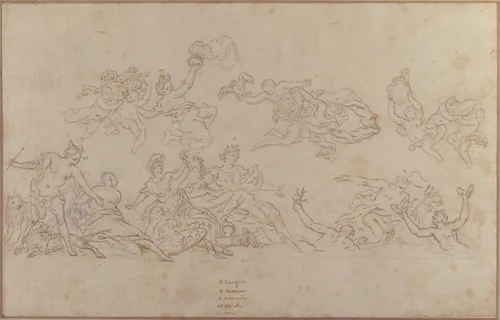
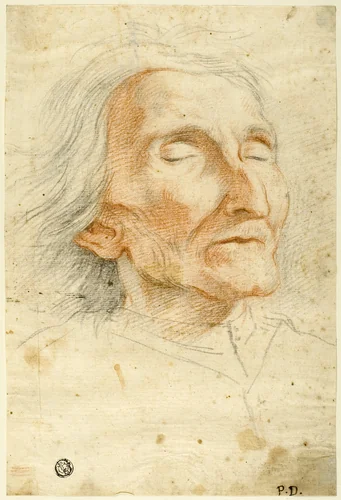
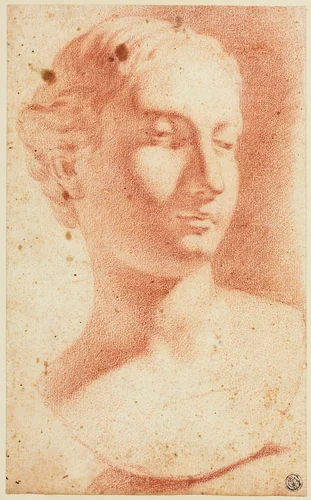
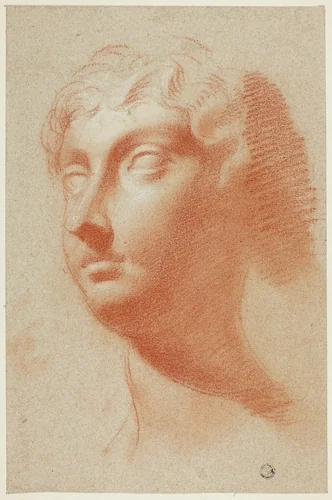
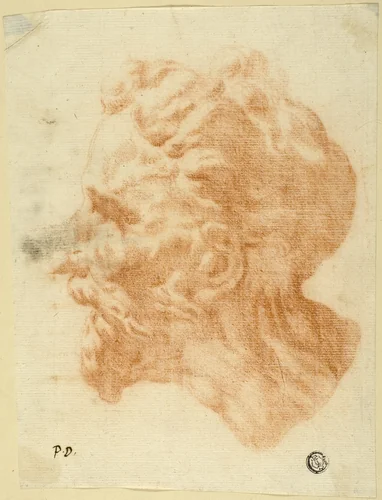
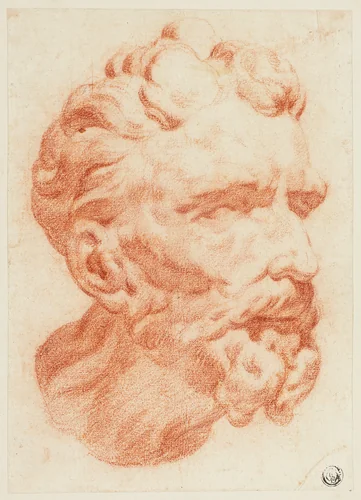
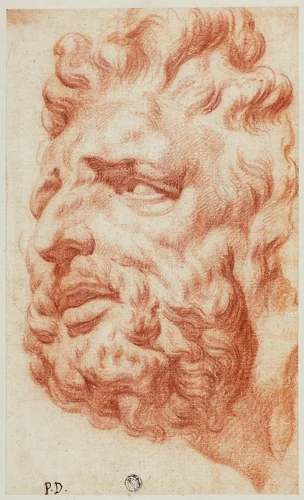
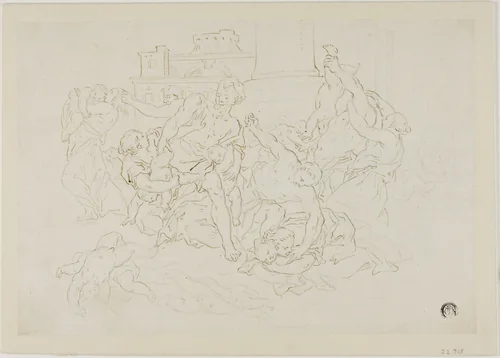
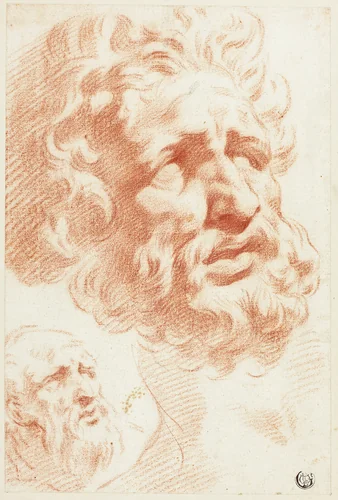
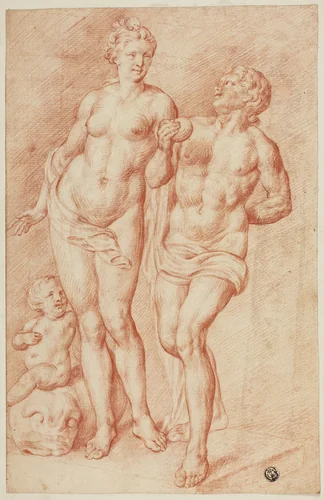
His surviving oeuvre highlights his proficiency in detailed figure studies and complex architectural designs, essential skills for any successful Baroque master. Drawings such as Head of Bearded Man in Profile to Left and Female Bust demonstrate a rigorous academic approach to portraiture and anatomical structure, intended perhaps as source material for figures later realized in oil. In contrast, works like Design for a Ceiling Decoration with Neptune and Allegories of the Four Continents offer a sweeping view of his inventive capacity, revealing the high demands placed upon artists to integrate mythology, allegory, and trompe l’oeil illusionism into unified decorative programs.
The high value placed on his preparatory studies has ensured their preservation in premier international collections, including the Metropolitan Museum of Art and the Art Institute of Chicago. It is perhaps telling that we know the energy and invention of his hand through these preliminary sketches better than the final execution of many of his large-scale Pietro Dandini paintings. This enduring appeal to the connoisseur of drafting ensures his relevance today. Recognizing the historical importance of this material, much of his visual legacy is entering the public domain, making downloadable artwork and museum-quality studies accessible globally. Contemporary viewers seeking high-quality prints of his Baroque studies can now explore the precision and personality that underpins the decorative magnificence of seventeenth-century Florence.
Source: Wikipedia · CC BY-SA 4.0