Pieter van Gunst
Pieter Stevensz. van Gunst (1659-1717) established himself as a pivotal Dutch printmaker and copperplate engraver, whose extensive catalogue serves as an essential visual record of intellectual and social life during the late Golden Age and the subsequent transition into the Enlightenment. Active primarily in Amsterdam, his formidable technical skill and market adaptability secured him significant work outside the Netherlands, notably during a productive period in London around 1704. He later concluded his career in the Dutch town of Nederhorst, confirming a professional trajectory that spanned over six decades. His dedication to precision and fidelity has ensured that examples of his art are held in prominent international institutions, including the Rijksmuseum and the Metropolitan Museum of Art.
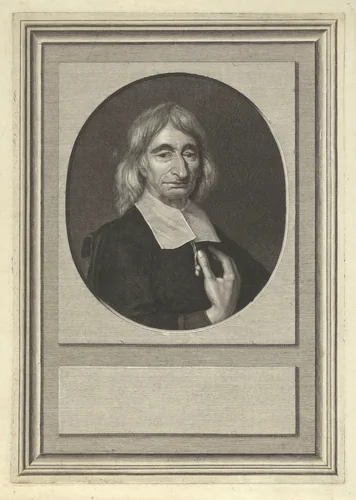
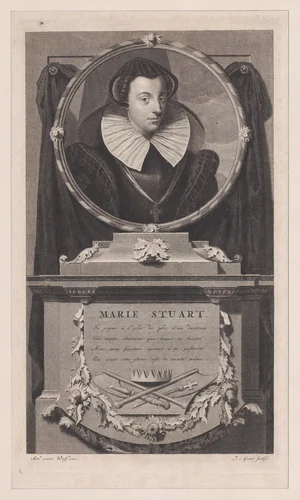
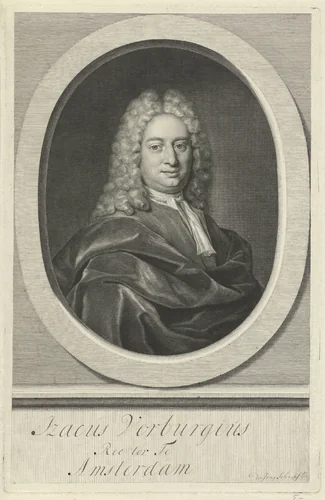
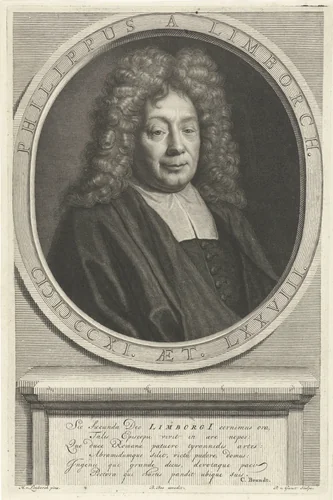
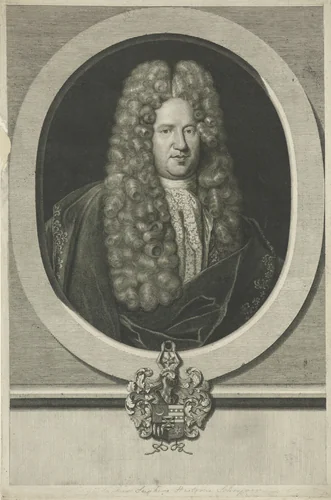
Unlike artists dedicated to painting or sculpture, Van Gunst focused almost exclusively on the demanding medium of reproductive engraving, translating commissioned painted likenesses into detailed, widely accessible prints. He excelled in the genre of formal portraiture, capturing the countenances of major European figures across philosophy, theology, and colonial governance. His work was highly valued by publishers requiring clear, high-quality prints for use as frontispieces in treatises and official volumes.
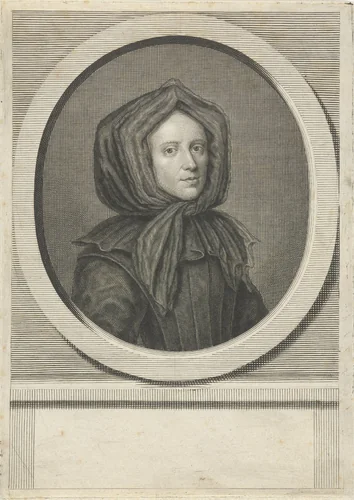
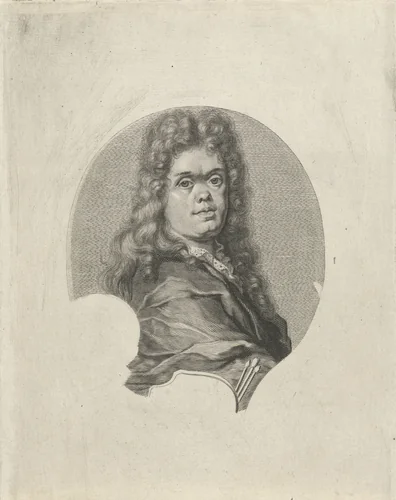
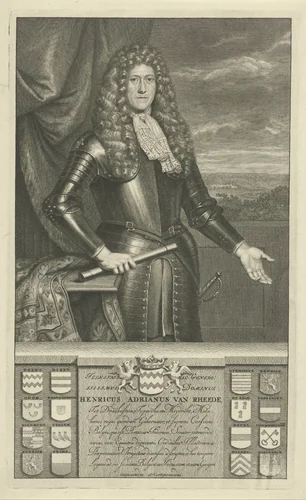
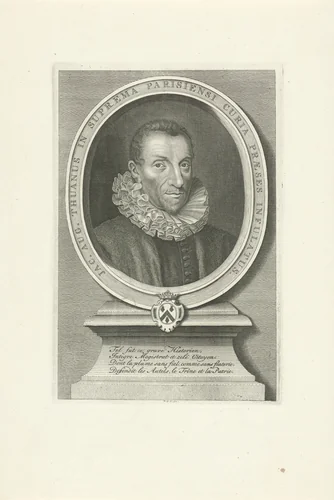
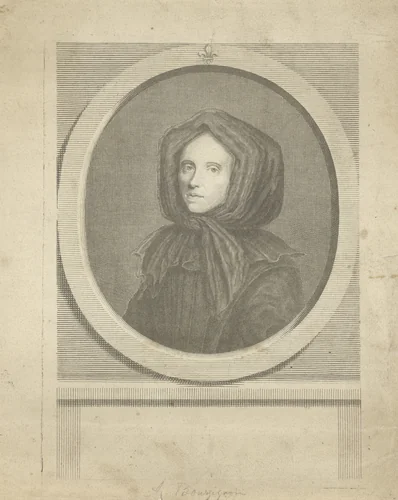
Van Gunst’s portraiture offers a rich, detailed view of the era’s "who’s who." Noteworthy subjects include the influential painter and theorist Gerard De Lairesse, the controversial philosopher and proponent of skepticism Balthasar Bekker, and the sophisticated courtier and East India Company official Hendrik Adriaan van Reede Tot Drakestein. Whether capturing the gravitas of the French historian Jacques Auguste de Thou or the enigmatic intensity of the mystic Antoinette Bourignon, Van Gunst treated each subject with the same meticulous attention to character and texture required by the copperplate medium.
Van Gunst’s enduring legacy rests on this unparalleled consistency. His vast output functioned as the primary visual dissemination mechanism for the faces of the era’s most notable minds. It is a quiet testament to the enduring power of his draughtsmanship that figures who might otherwise remain purely textual entities still confront us today with palpable intensity. Many of these historically valuable Pieter van Gunst prints, owing to the longevity of the engraving technique, remain remarkably preserved. Now often residing in the public domain, they continue to provide free art prints of museum-quality detail, ensuring accessible scholarship and appreciation for the visual history of the 17th century.
Source: Wikipedia · CC BY-SA 4.0