Pieter van der Heyden
Pieter van der Heyden (active c. 1530-1558) was a pivotal figure in the dissemination of visual culture during the high Northern Renaissance, operating at the center of the prolific Flemish printmaking industry. While perhaps less celebrated than the designers whose work he interpreted, Van der Heyden was known throughout his active period as a highly skilled reproductive engraver. His technical expertise allowed him to translate the elaborate compositions of leading 16th-century Flemish masters onto durable copper plates, effectively multiplying and standardizing images for mass consumption across Europe.
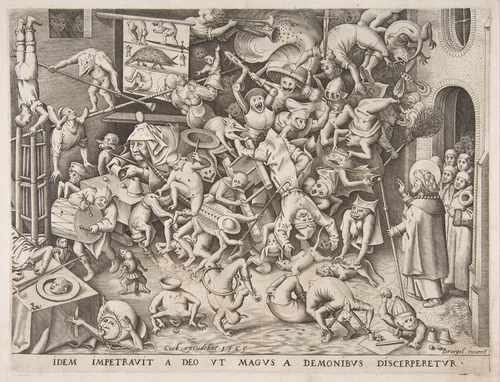
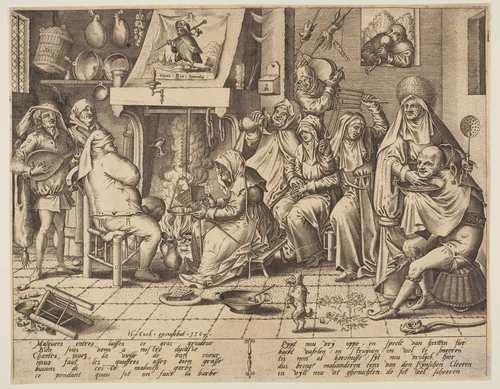
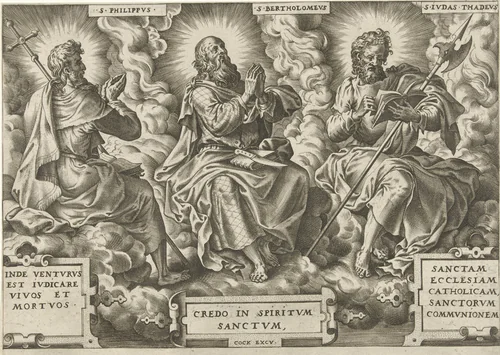
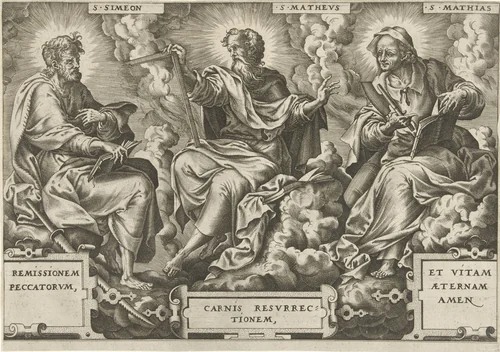
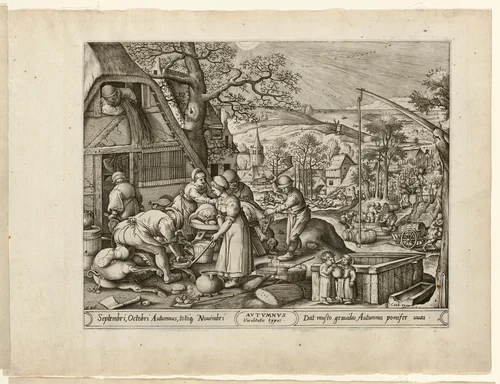
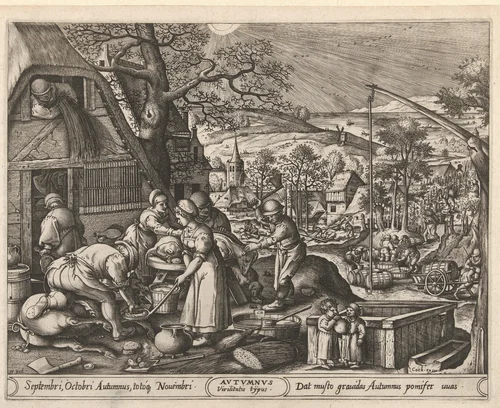
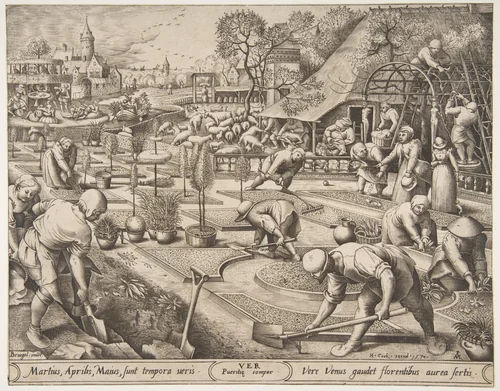
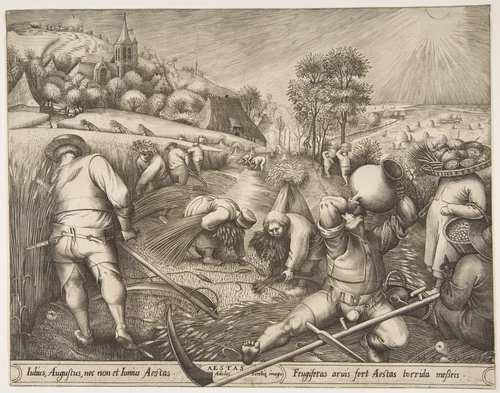
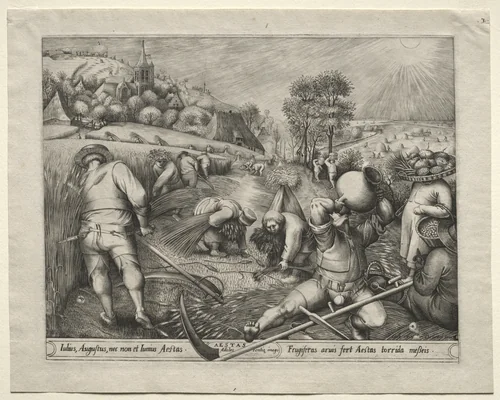
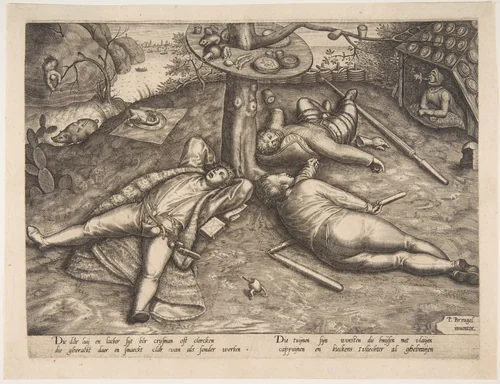
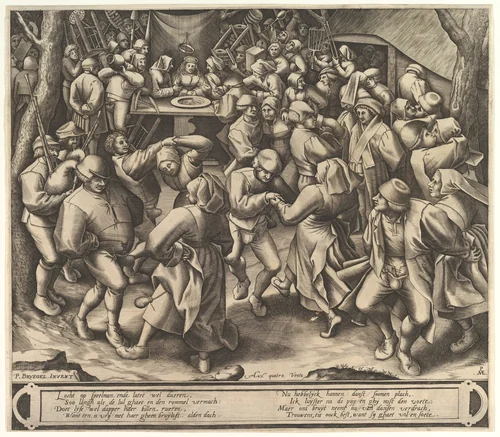
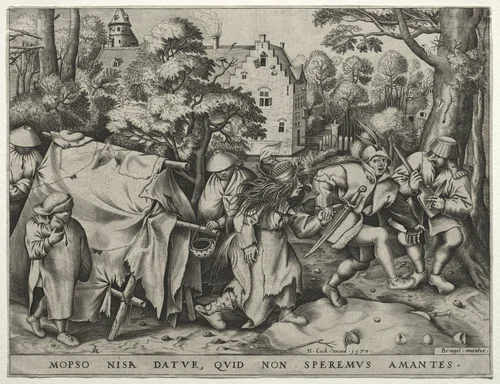
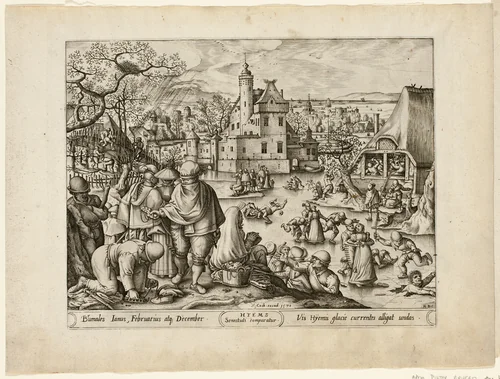
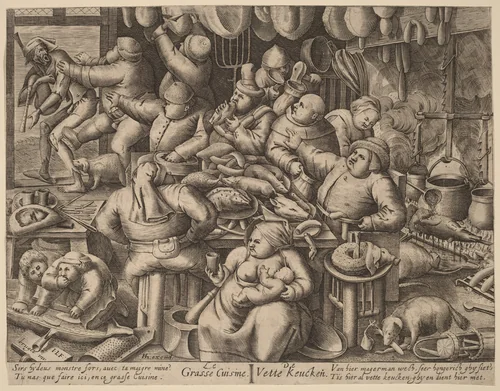
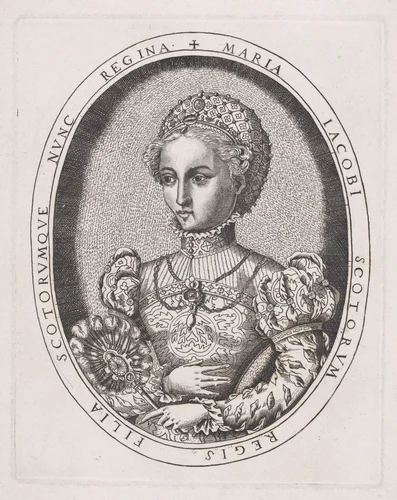
The inherent value of Van der Heyden’s activity lay in this rigorous translation. His engravings were instrumental in extending the renown of painters far beyond the confines of their local workshops, ensuring that powerful moral narratives and innovative stylistic elements reached a wide, international audience. Though his documented independent output is relatively small, comprising approximately fourteen prints and a single drawing, the significance of these works is profound. They showcase his meticulous handling of the burin, capable of rendering complex subjects that ranged from the sacred, exemplified by The Adoration of the Shepherds and Johannes de evangelist, to the secular and mythological, such as Danae and the Shower of Gold.
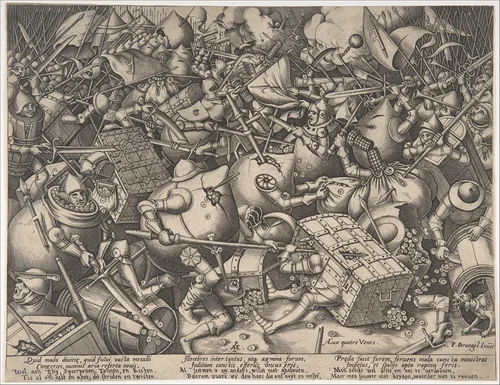
His most impactful contributions often involved rendering large-scale allegorical scenes or complex visual parables designed for instruction and social critique. By converting major paintings, which were inherently unique and costly, into high-quality prints, Van der Heyden functioned, quite effectively, as the 16th century’s most effective mass-market publisher of genius. He was a conduit for complex visual information, ensuring that iconographies like The Blind Leading the Blind and the moralizing drama of Everyman became recognizable cultural fixtures.
Today, Pieter van der Heyden prints are recognized for their historical significance and technical merit. These museum-quality artifacts are preserved in leading institutions worldwide, including the Metropolitan Museum of Art and the Rijksmuseum. Through modern digitization efforts, many of these historical works have entered the public domain, ensuring that this crucial chapter in reproductive graphic history remains accessible as downloadable artwork for scholars and enthusiasts alike.
Source: Wikipedia · CC BY-SA 4.0