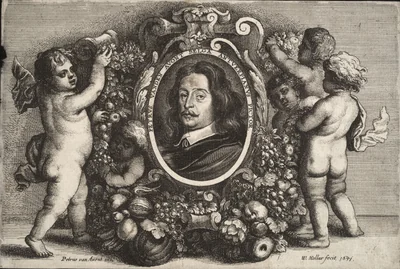
Pieter van Avont
Pieter van Avont (1600–1652) stands among the skilled second-generation Flemish Baroque artists of Antwerp, distinguished by his versatility as a painter, draughtsman, and prolific printmaker. Operating within the dynamic cultural hub of Antwerp, Van Avont’s career spanned several decades, though his most concentrated period of documented printmaking activity occurred between 1622 and 1630. This decade produced a known corpus of approximately fifteen published prints, alongside numerous religious and mythological cabinet paintings.
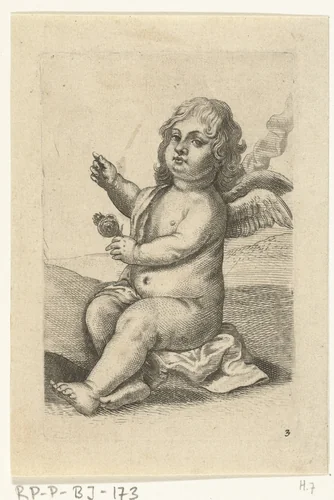
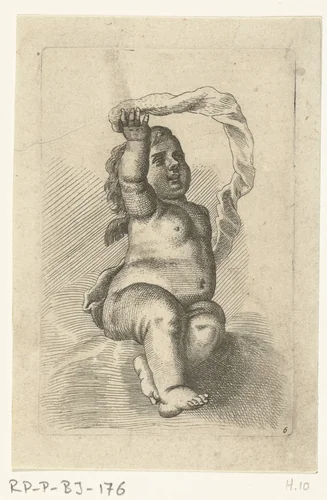
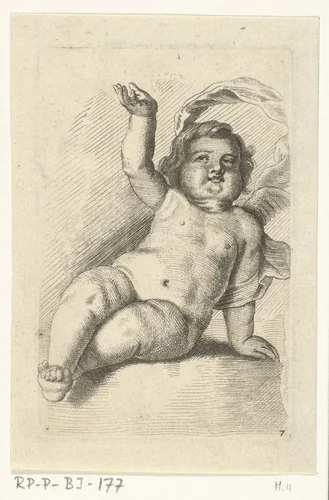
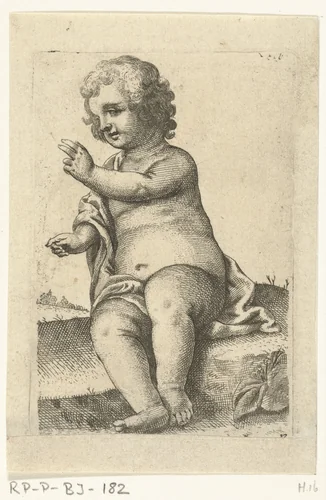
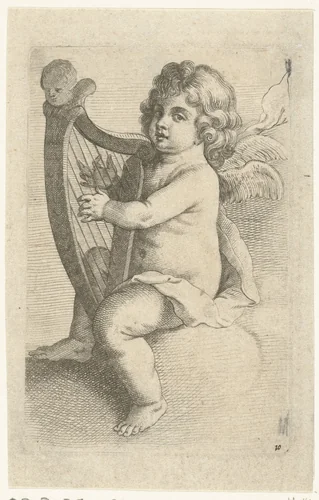
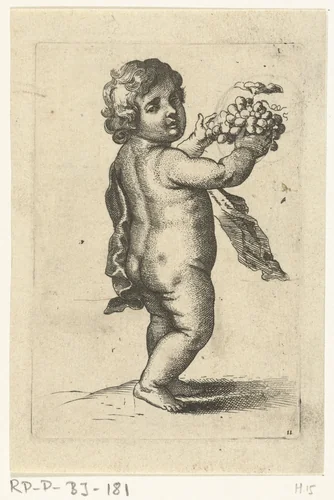
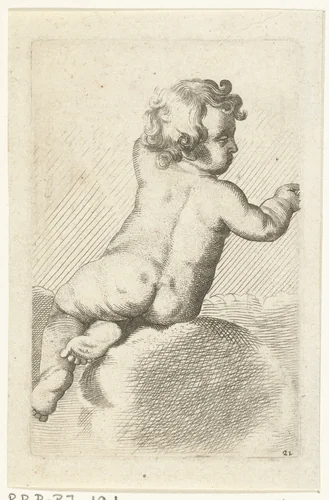
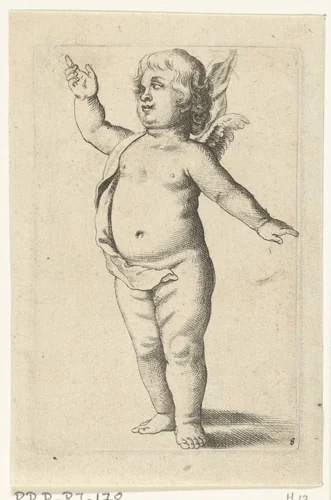
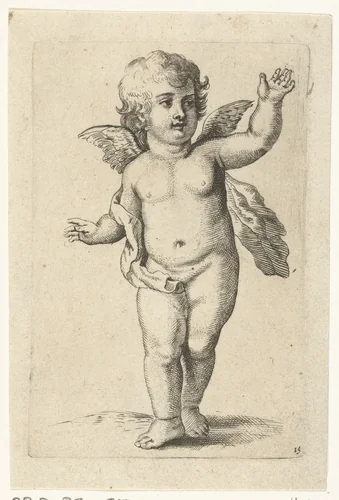
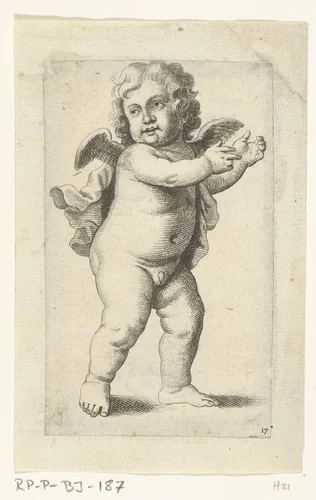
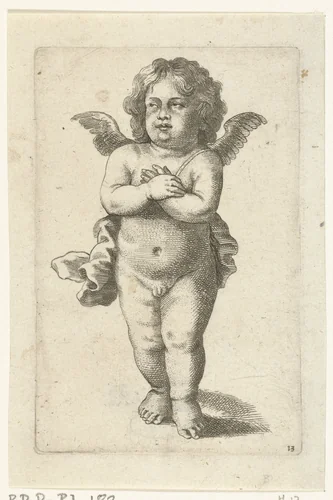
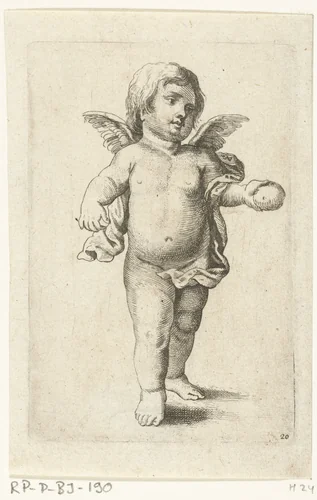
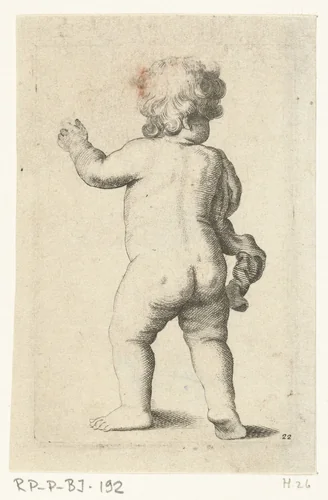
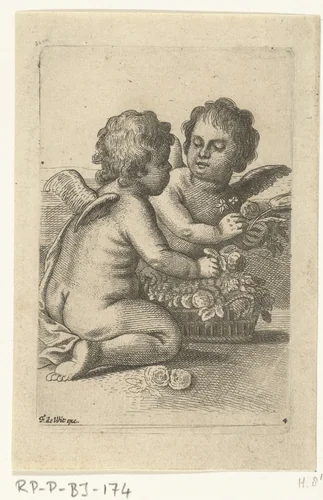
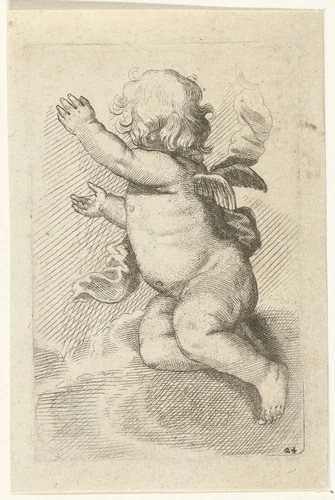
Van Avont specialized in smaller, highly detailed devotional scenes and genre paintings, often commissioned for private collections. His signature motif is the putto, or the cherubic, partially draped infant, utilized throughout his compositions to denote heavenly presence, symbolic significance, or pure ornamentation. Prints such as Engeltje met een roos in de hand and Engeltje naar achter leunend attest to his masterful handling of the youthful figure. One might observe that Van Avont’s keen interest in depicting these active, fleshy children in rustic settings, exemplified by the engraving Halfnaakt kind in een landschap, shows a delightful devotion to the classical amoretti tradition, tempered by Northern realism.
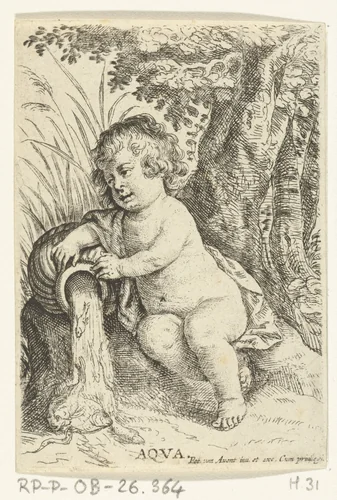
Historically, Van Avont is notable for his collaborative professional structure. Rather than executing entire canvases single-handedly, he was a frequent collaborator with many leading painters in Antwerp. Van Avont would often supply the figurative elements, such as the central religious groups or the surrounding putti, for specialized settings provided by masters of landscape or architecture. This fluid exchange of expertise highlights the highly specialized nature of the 17th-century Antwerp art market. The continued distribution of his graphic work, exemplified by the print Water, helped circulate his compositions widely.
While some of his original Pieter van Avont paintings remain in private hands, his graphic works are a vital component of major institutional holdings, including the Rijksmuseum in Amsterdam. Due to their date and significance, many of these works now reside in the public domain, allowing researchers and enthusiasts access to high-resolution downloadable artwork for study. The sustained appreciation for these detailed Pieter van Avont prints ensures that his contribution to the representation of the Baroque putto remains highly visible.
Source: Wikipedia · CC BY-SA 4.0