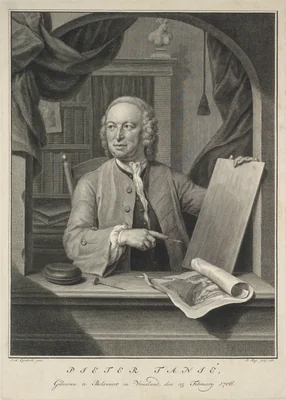
Pieter Tanjé
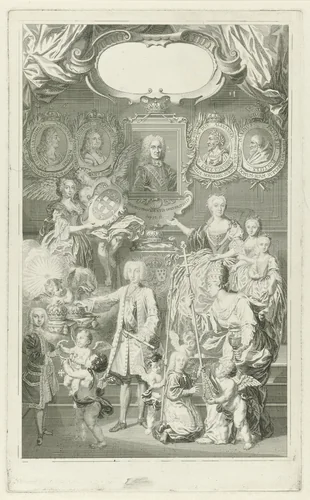
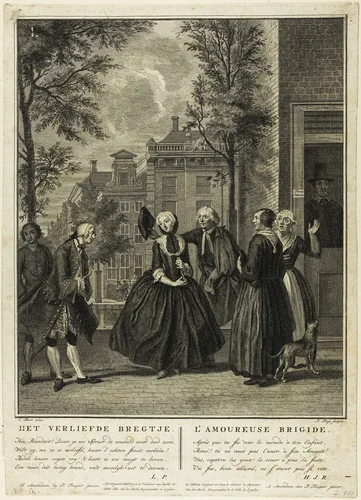
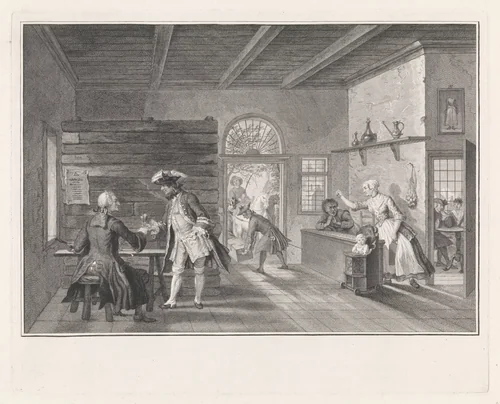
Pieter Tanjé (1706–1761) was a technically accomplished engraver of the Dutch Republic, defining a crucial period of print production in the early to mid-eighteenth century. Active primarily between 1715 and 1749, Tanjé developed a precise, controlled style that allowed him to work across portraiture, religious allegory, and decorative design with equal fluency. Though the eighteenth century in the Netherlands is often characterized by artistic consolidation rather than groundbreaking innovation, Tanjé’s mastery of the burin ensured the preservation and dissemination of images for a rapidly expanding European print market.
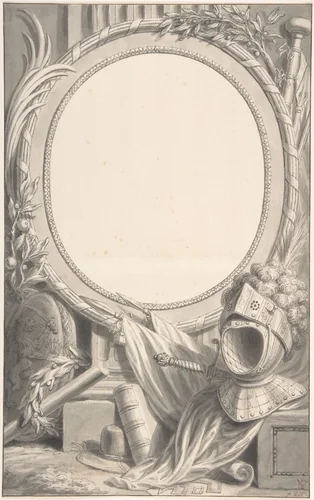
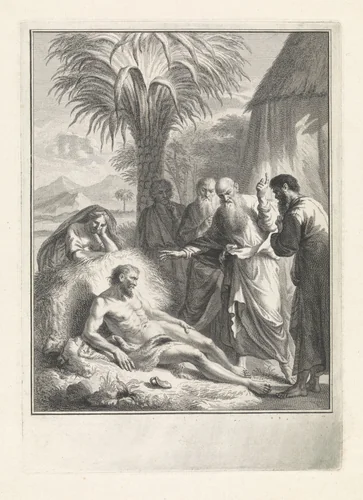
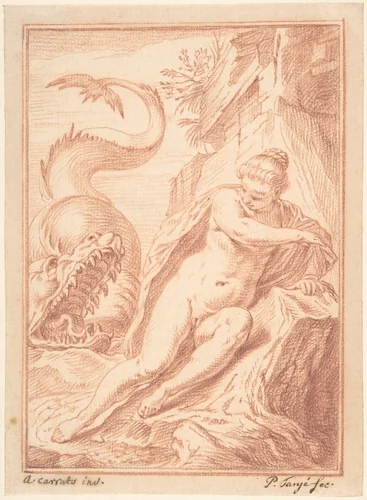
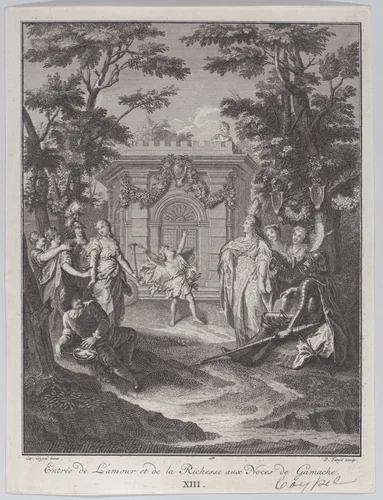
Tanjé’s versatility is clearly demonstrated across the approximately twelve prints and three drawings attributed to him. He was adept at both historical interpretation, seen in the textural rendering of the suffering protagonist in Job op de mesthoop, and the precise geometric requirements of decorative art, exemplified by Design for an Ornamental Frame. Moreover, his work often functioned as a critical bridge between artistic periods; his skilled reproductive print Andromeda, after Agostino Carracci, situated him firmly within the ongoing European tradition of translating seminal Italian masters for Dutch audiences.
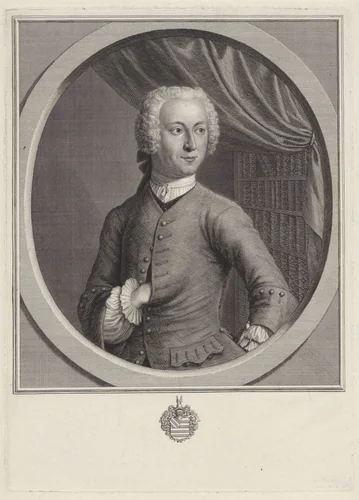
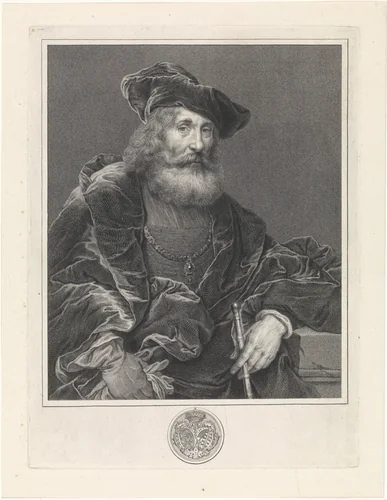
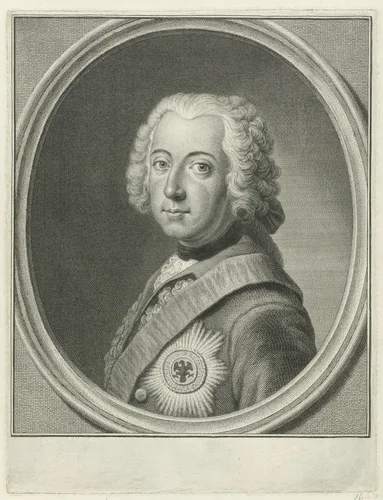
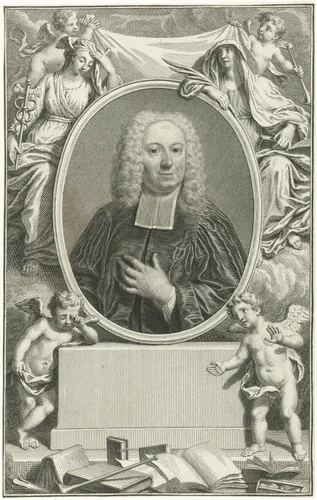
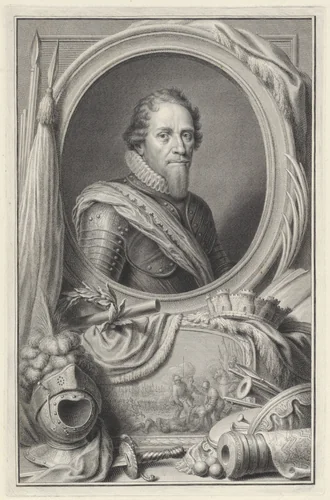
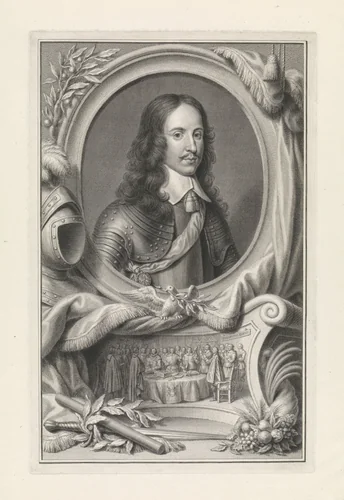
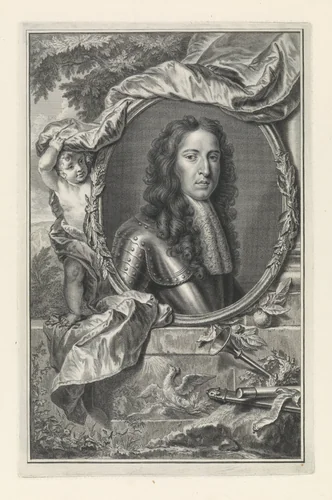
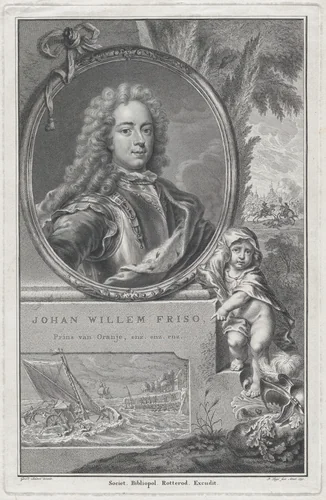
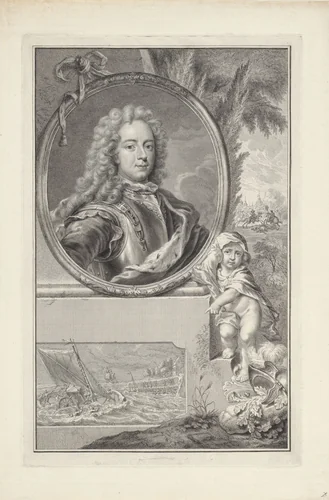
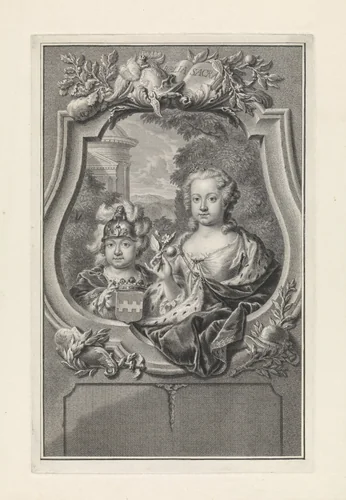
A significant portion of Tanjé’s oeuvre centered on portraiture, a genre essential for public remembrance and social identity in the era. Prints such as Portret van Willem van Haren showcase his ability to confer authority and status on civic figures, while the intimate detail of Portret van een bebaarde man suggests a capacity for psychological depth. Though Tanjé primarily focused on engraving, specializing in high-quality prints rather than pursuing large-scale studio paintings, his success reveals where the true commercial energy of the Dutch art market resided during his lifetime: in the reproducible image.
The enduring technical rigor of his engravings ensured their longevity and relevance. Today, Pieter Tanjé prints are preserved in the permanent collections of prestigious institutions, including the Rijksmuseum, the Metropolitan Museum of Art, and the Art Institute of Chicago. The continued study of these museum-quality works is facilitated by their increasing accessibility; many of his finest plates now reside in the public domain, allowing scholars to examine the meticulous artistry that defined this phase of Dutch graphic production.
Source: Wikipedia · CC BY-SA 4.0