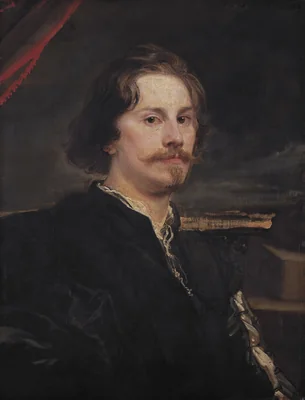
Pieter Soutman
Pieter Claesz Soutman (c. 1595-1650) was a foundational figure in the Dutch Golden Age art scene, operating primarily from Haarlem. Active throughout the first half of the seventeenth century, Soutman secured his reputation not solely as a painter, but as a master printmaker whose technical acumen allowed for the wide dissemination of complex imagery across Europe. His artistic career successfully navigated the intersection between traditional painting and the burgeoning market for high-quality prints.
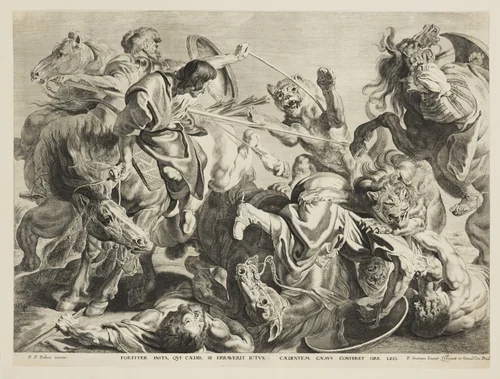
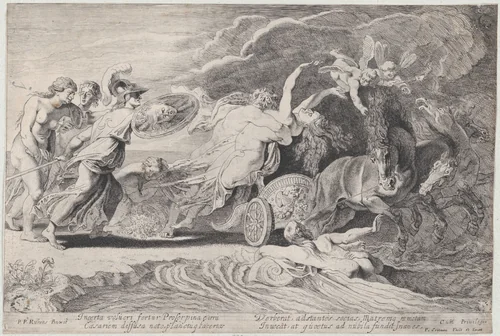
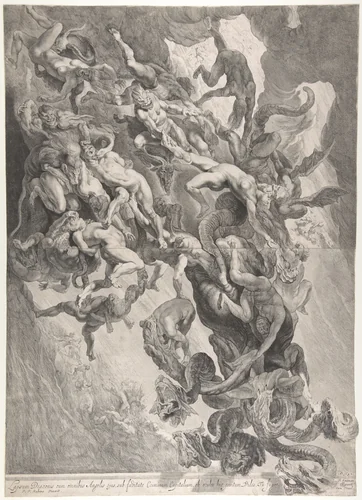
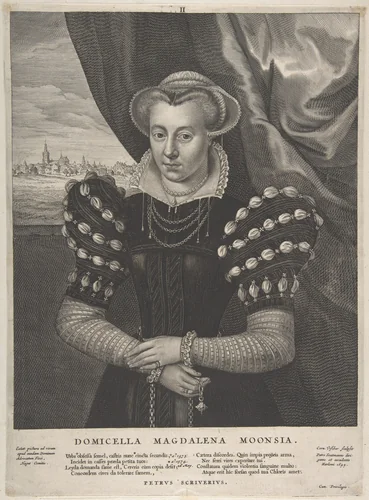
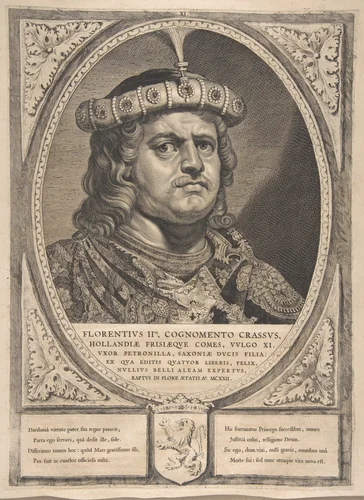
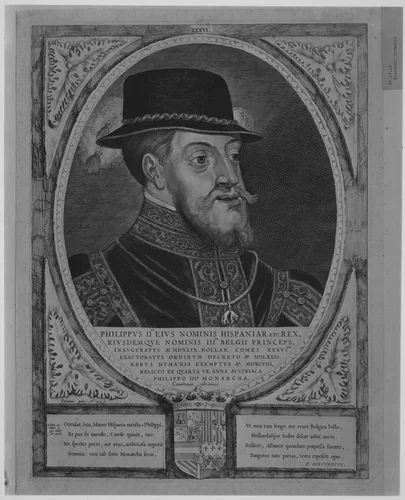
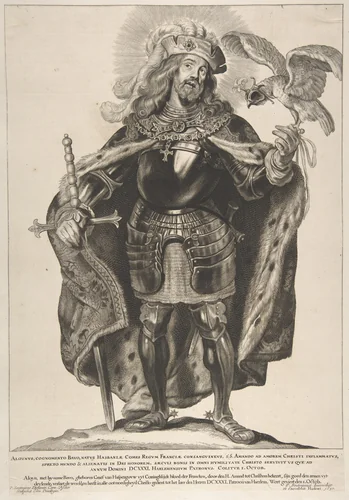
While his extant output includes only one documented painting, Soutman’s enduring impact rests overwhelmingly on his substantial graphic corpus. The catalogued oeuvre includes thirteen significant prints, showcasing his versatility across secular, mythological, and religious narratives. He possessed a sophisticated understanding of engraving, successfully translating the dynamic energy typically reserved for large canvases into intricate monochrome detail. Dramatic works like The Abduction of Proserpina and the powerfully composed Lion Hunting attest to his command of composition and action.
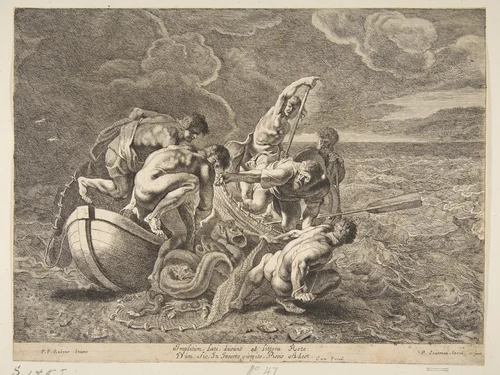
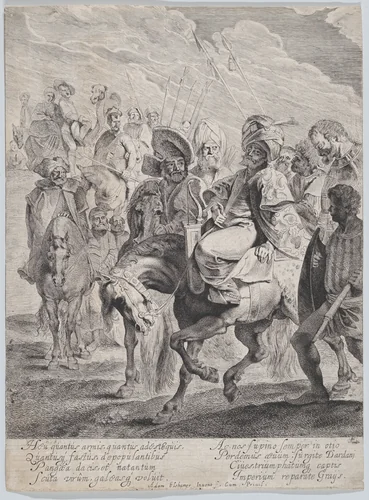
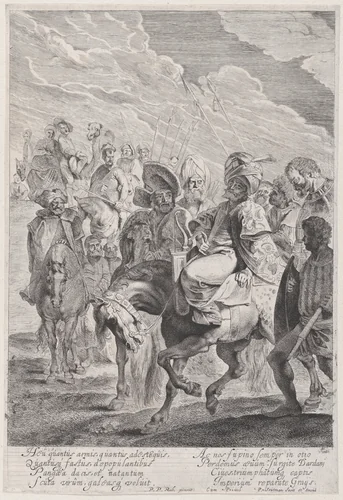
Soutman's commercial success is subtly illustrated by a curious repetition within his known subject matter; two distinct entries are dedicated to the exotic theme of A Turkish Prince on Horseback. This suggests a high demand for his interpretation of foreign figures and equestrian portraits among collectors seeking novelty in their Pieter Soutman prints. He also adapted famous compositions, rendering religious subjects like the Miraculous Draught of Fish with graphic precision.
His contributions extended beyond the purely visual; documentation confirms his involvement in book publication, highlighting his role as an entrepreneurial artist integral to the printing trade of Haarlem. Today, Soutman’s significance is cemented by his representation in major international collections, including the Mauritshuis and the Metropolitan Museum of Art. Fortunately for modern scholarship and appreciation, much of his prolific work is now in the public domain, making these historical masterworks accessible as downloadable artwork for study worldwide.
Source: Wikipedia · CC BY-SA 4.0