Pieter Louw
Pieter Louw (active 1743-1750) was a Dutch painter-engraver known predominantly for his technical mastery of the mezzotint medium. Although his documented active period was remarkably brief, spanning only seven years in mid-18th century Amsterdam, his contribution lay in the meticulous reproduction and popularization of celebrated masterworks. Functioning as a high-fidelity copyist, Louw preserved and disseminated the visual language of the Dutch Golden Age for contemporary collectors and fellow artists.
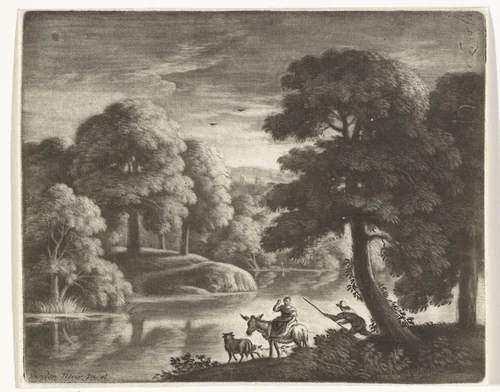
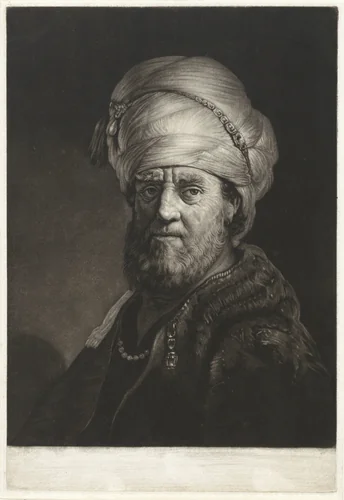
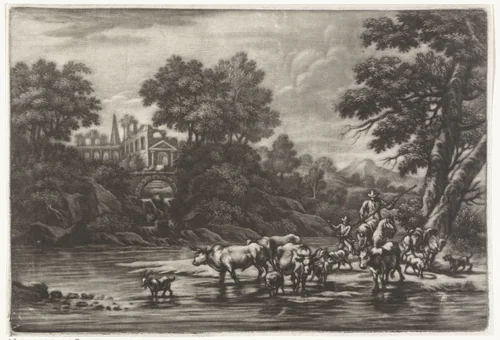
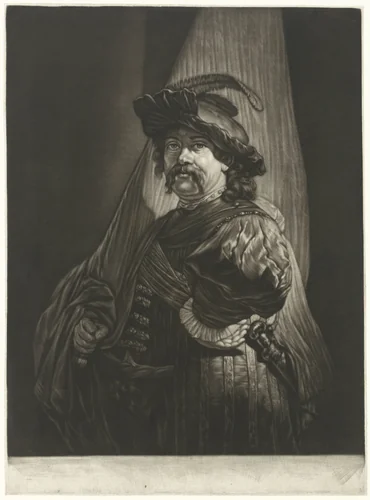
Working in Amsterdam, Louw utilized mezzotint, a technically demanding intaglio process celebrated for its ability to produce rich, velvety blacks and subtle, continuous gradations of tone. This made it the ideal printmaking technique for replicating the dramatic chiaroscuro and complex textures found in 17th-century oil paintings. His extant body of work is concentrated, comprising thirteen known prints and a single drawing, many of which now reside in major institutional holdings, including the collection of the Rijksmuseum.
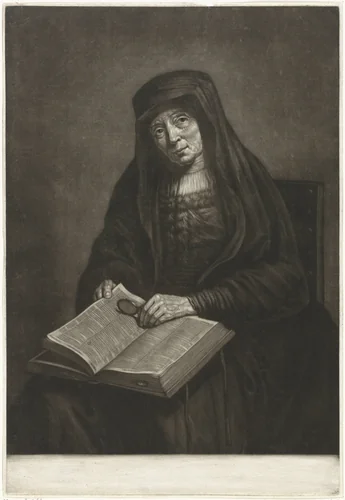
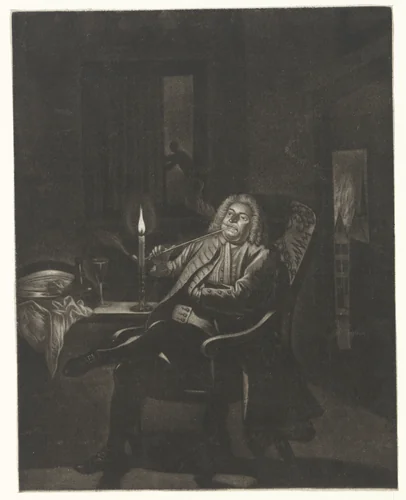
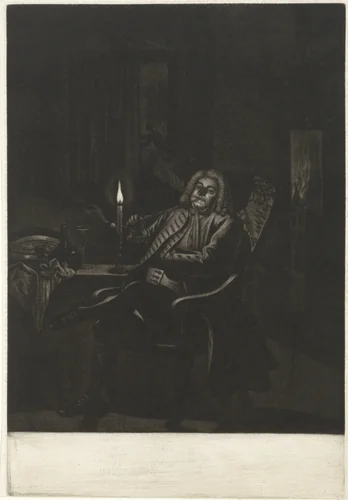
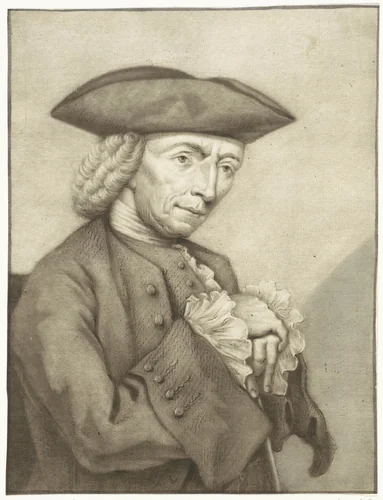
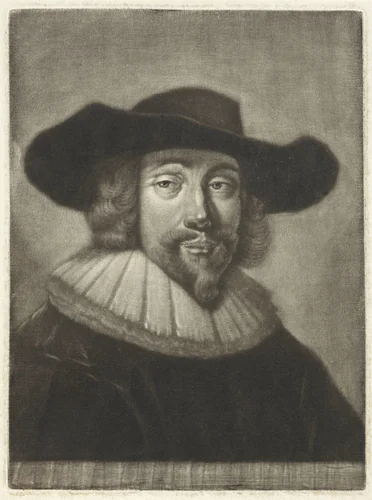
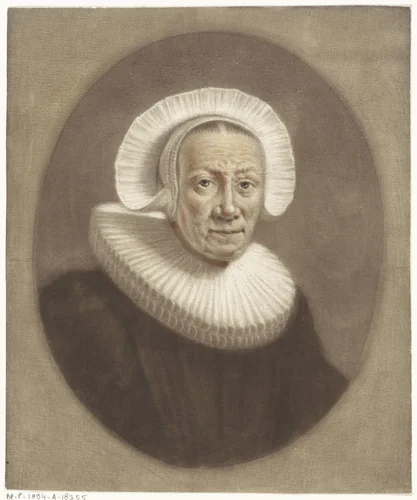
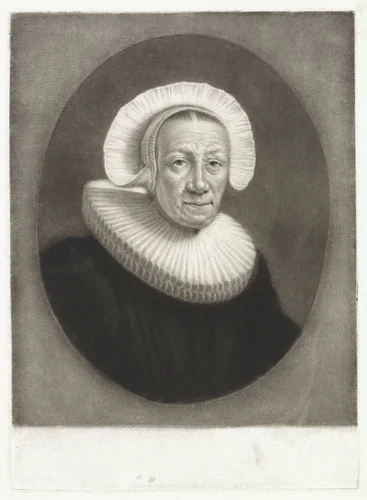
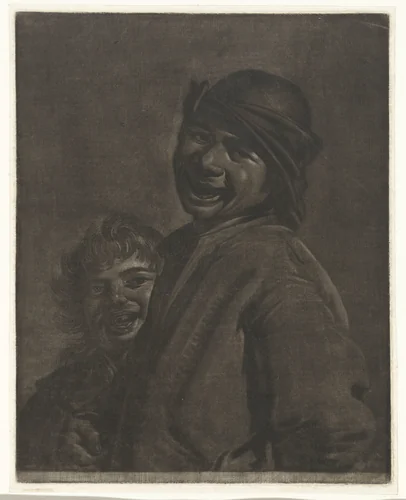
Louw’s subjects ranged from genre scenes to formal portraiture. A significant portion of his output focused on interpreting canonical works, evidenced by his masterful plate Oude vrouw met bijbel op de schoot, mogelijk de moeder van Rembrandt, a clear nod to the iconic domestic portraits of the previous century. He also devoted attention to scenes of everyday life, translating moments of quiet, domestic introspection into durable form. It seems the artist held a particular fascination with tobacco, evidenced by the recurrent motif of the smoker, seen in multiple iterations, including the evocative Pijprokende man. He successfully translated the smoky atmosphere and contemplative mood of the originals into museum-quality prints.
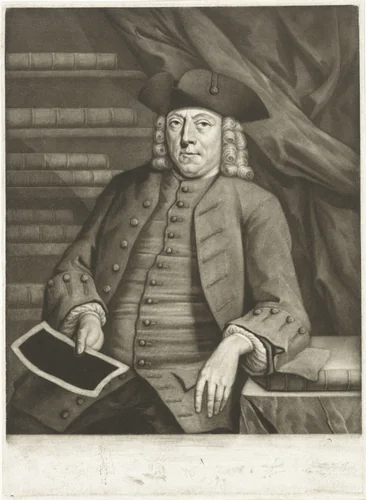
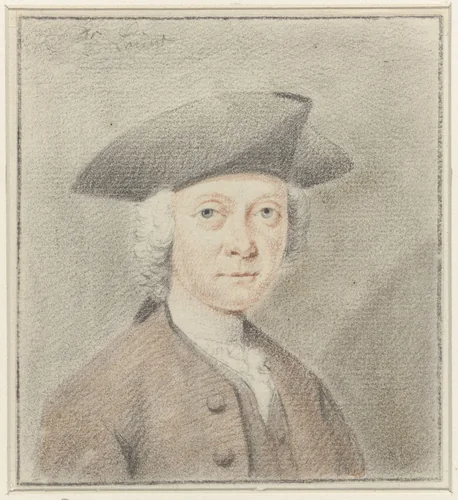
Engravers like Louw played an essential, though often secondary, role in the history of art, providing access to masterpieces that were otherwise geographically inaccessible. Before the advent of photography, these high-quality prints served as the definitive visual record for students and enthusiasts across Europe. Today, his work, including his dignified Portret van Hendrik Busserus, often falls into the public domain. This allows researchers and the public to access downloadable artwork freely, ensuring that the subtle textures and dedication evident in Pieter Louw prints continue to be appreciated globally.