Pieter Lastman
Pieter Lastman (1583-1633) holds a pivotal, though frequently understated, position in the lineage of Dutch Golden Age painting. As a central practitioner of history painting in Amsterdam, specializing in complex mythological and biblical narratives, his true significance rests substantially upon his role as an instructor. Lastman’s studio was the formative environment for two of the century’s most luminous talents, Rembrandt van Rijn and Jan Lievens. This pedagogical achievement confirms Lastman’s sophisticated command of narrative composition and dramatic illumination, techniques he successfully transmitted to the next generation of Dutch artists.
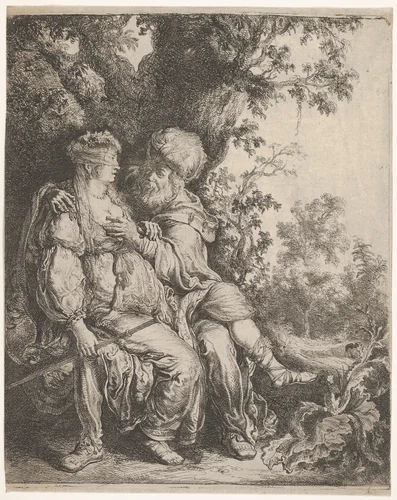
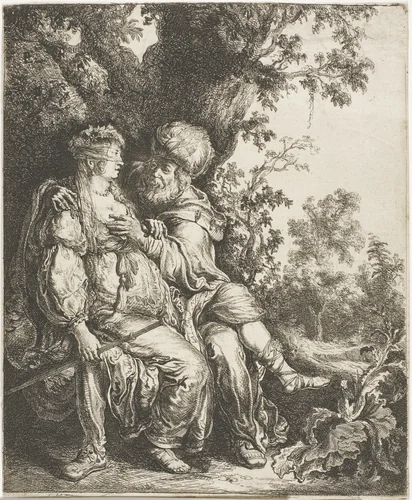
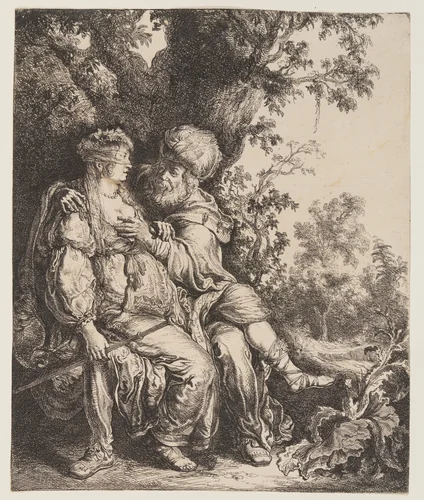
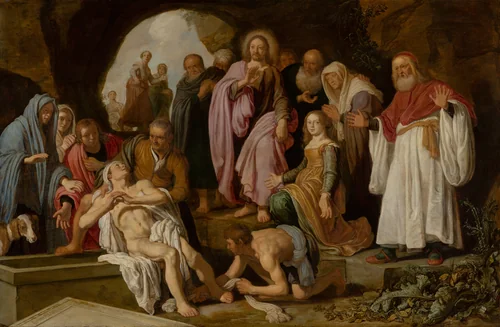
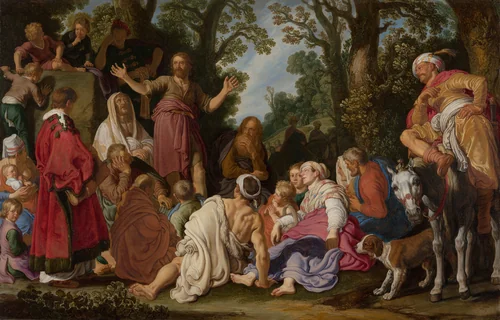
Active throughout the early 17th century, Lastman developed a distinctive style marked by an almost cinematic approach to ancient subject matter. His compositions, often crowded with figures and infused with high emotional tension, offered viewers intricate visual dramas. This is clearly evidenced in subjects like Judah and Tamar and his compelling interpretation of The Raising of Lazarus. Lastman’s dedication to capturing the emotional subtext of these stories drove a meticulous approach to figure rendering. He paid extraordinary attention to the specific detailing of the faces, hands, and feet of his subjects, recognizing these elements as key carriers of psychological realism.
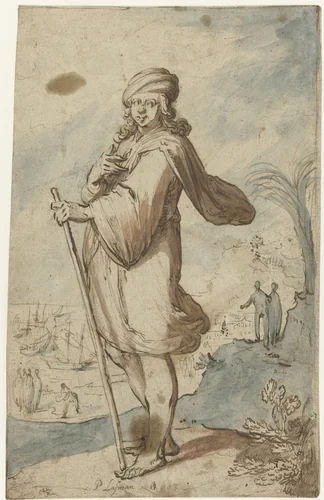
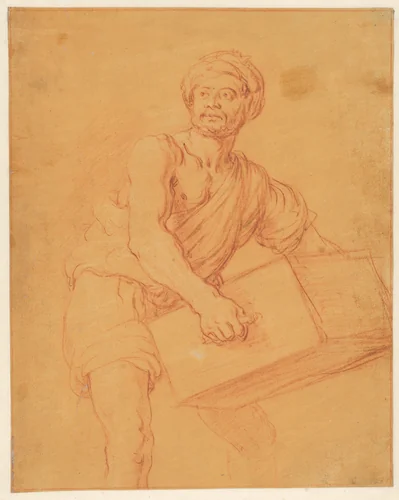
The influence of his technique, which favored clear, localized colour and sharp dramatic emphasis, resonated widely in the Amsterdam art market. Lastman’s career successfully bridged the gap between the Mannerist trends of the preceding era and the burgeoning Baroque realism embraced by his students. His known output encompasses both oil paintings and graphic works, including drawings and Pieter Lastman prints, ensuring his continued scholarly relevance.
Today, Lastman’s legacy is preserved in premier international collections, including the Mauritshuis, the Rijksmuseum, and the Metropolitan Museum of Art. For scholars and enthusiasts alike, these influential works, available as museum-quality images, confirm his importance not merely as Rembrandt’s teacher, but as a skilled master in his own right. Due to their age, many of these exceptional Pieter Lastman paintings and prints are now in the public domain, providing royalty-free access to high-quality prints and downloadable artwork for continued appreciation worldwide.
Source: Wikipedia · CC BY-SA 4.0