Pieter Jansz Saenredam
Pieter Jansz Saenredam (1597-1665) holds a unique and rigorous place within the pantheon of Dutch Golden Age painting. Active during a period marked by dynamic exploration of genre scenes, Saenredam eschewed still life and portraiture, dedicating himself almost entirely to the meticulous visualization of ecclesiastical architecture. His output, spanning from 1628 to 1650, cemented his reputation as the definitive painter of sacred spaces.
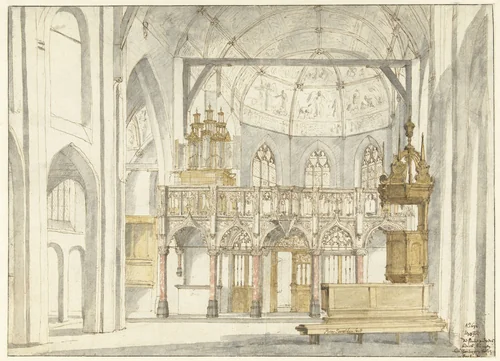
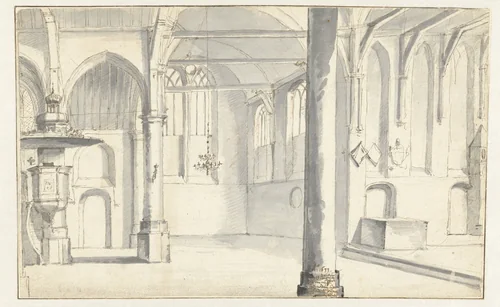
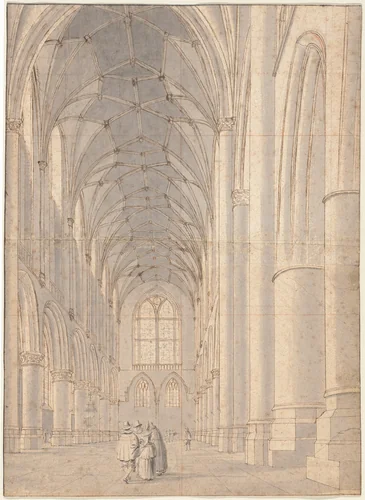
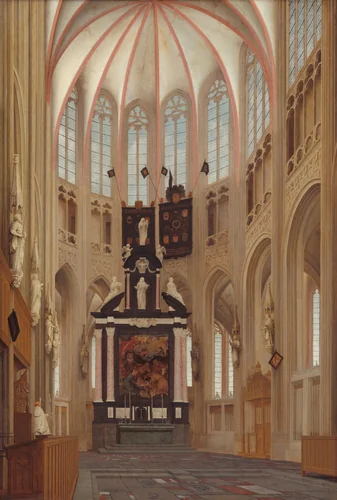
His practice centered on creating definitive, geometrically exact portraits of the Protestant church interior, particularly the vast, luminous, whitewashed halls that defined post-Reformation Dutch spirituality. Works such as Interior of St Bavo's Church in Haarlem (1636) exemplify his careful approach, transforming imposing Gothic structures into serene, light-filled compositions. He succeeded in capturing the airy, clean aesthetic achieved after church structures were stripped of Catholic ornamentation, providing posterity with remarkably precise visual records.
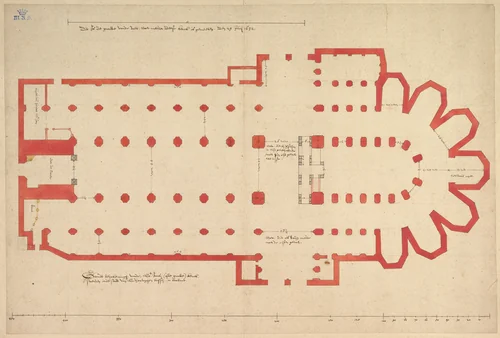
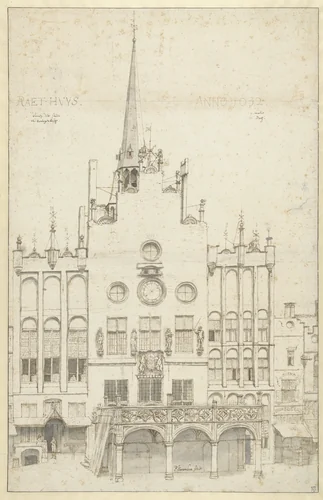
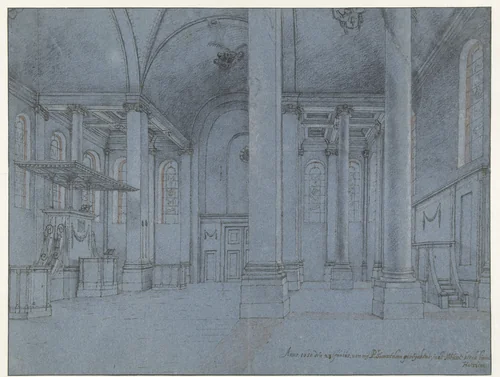
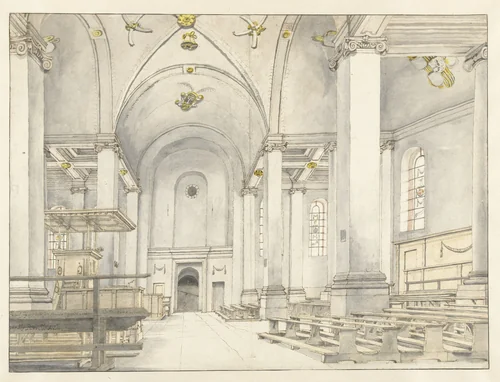
Saenredam’s innovation lay not merely in style, but in methodology. Unlike contemporaries who relied on rudimentary sketches or imagination, Saenredam first acted as an architectural surveyor. Before touching a brush to canvas, he meticulously measured the structures he intended to depict, producing exhaustive groundplans and perspective studies, sometimes years before the final Pieter Jansz Saenredam paintings were executed. This preparatory rigor is demonstrated in works such as the precise Groundplan of the Church of Saint John in ’s-Hertogenbosch.
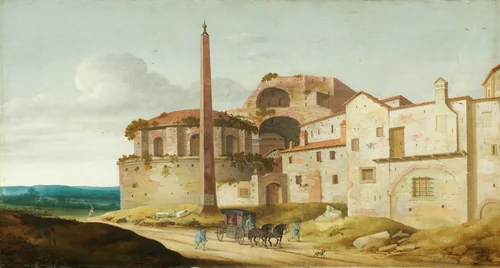
His commitment to architectural veracity extended beyond Dutch borders, exemplified by his drawing Church of Santa Maria della Febbre, Rome. However, his dedication to structural truth was so absolute that he occasionally depicted a building as it should be, subtly correcting minor imperfections he observed, lending his finished pieces a hint of architectural idealism. This exacting process resulted in a relatively small but highly influential body of work, comprising seven known drawings, two prints, and two paintings, all prized for their detail. Today, his masterful studies remain essential touchstones for the history of Dutch art, and are widely available as high-quality prints through major museum collections, including the Rijksmuseum and the Metropolitan Museum of Art.
Source: Wikipedia · CC BY-SA 4.0