Pieter Jansz Quast
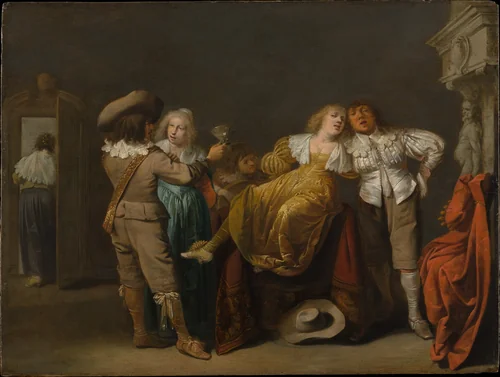
Pieter Jansz Quast (active 1606-1643) was a versatile Dutch Golden Age figure, distinguished across painting, the demanding draughtsmanship of portraits, and sculpture. His relatively contained body of surviving work, comprising approximately seven drawings, three prints, and two paintings, reveals an artist deeply engaged with the satirical and moralizing trends of early seventeenth-century Holland.
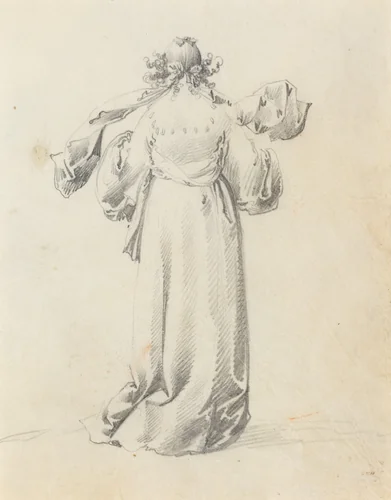
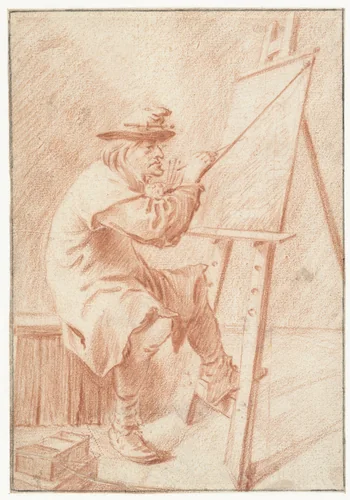
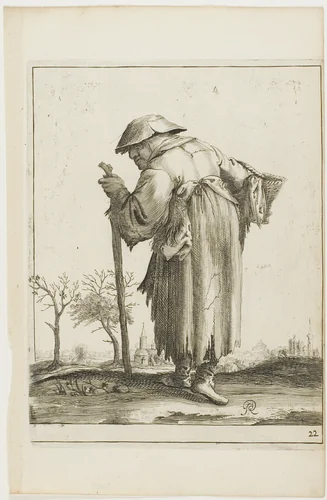
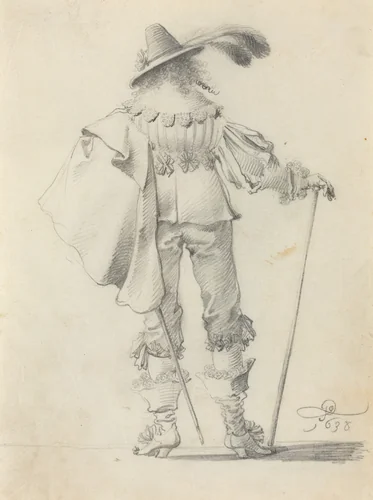
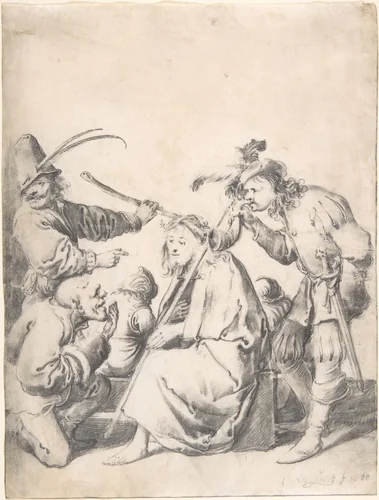
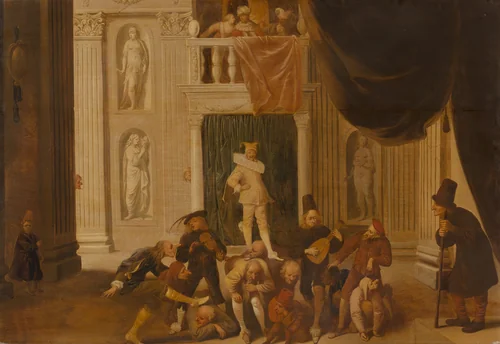
Quast excelled in depicting genre scenes, focusing specifically on marginal figures and the theatrical aspects of common daily life. Rather than glorifying the bourgeoisie, his output offers a sharp, often humorous, commentary on human folly and social imperfection. His technical proficiency across various media allowed him to capture character and gesture with striking immediacy, as seen in the compositional economy of Lady Seen from Behind and the precise, professional rendering of the workshop in Een schilder voor zijn ezel (A Painter at his Easel).
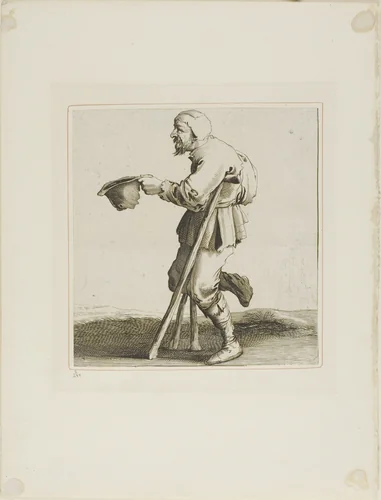
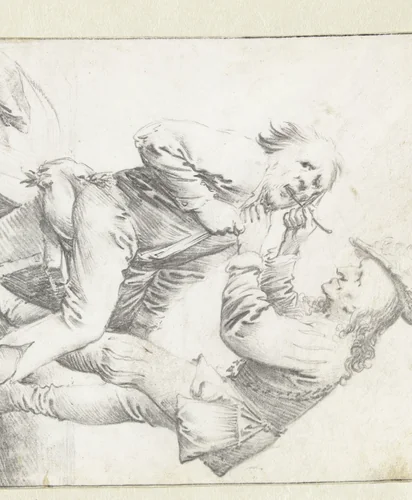
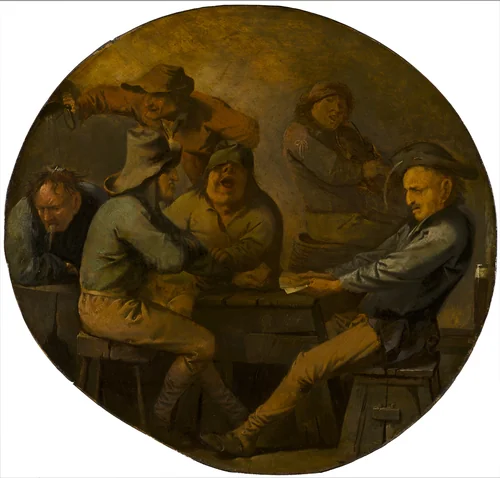
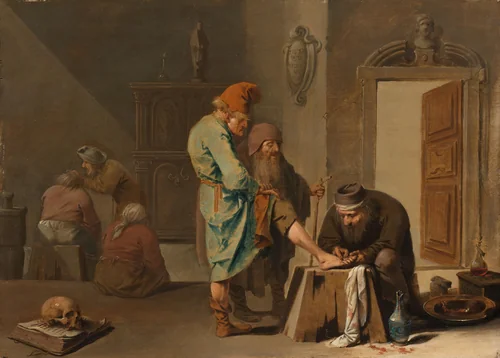
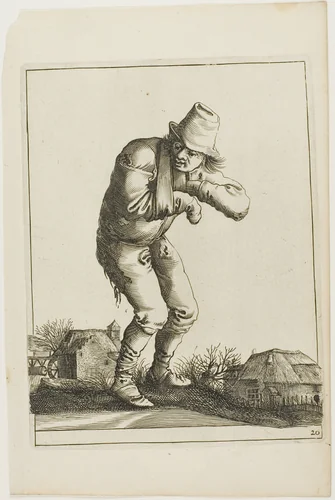
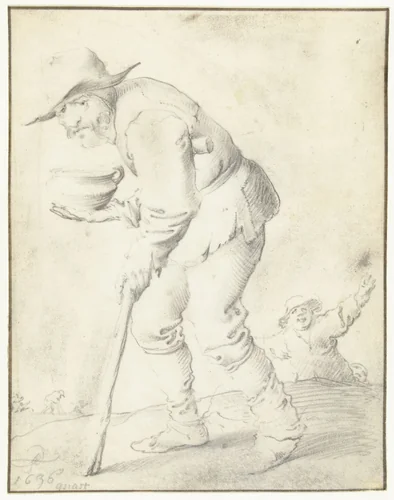
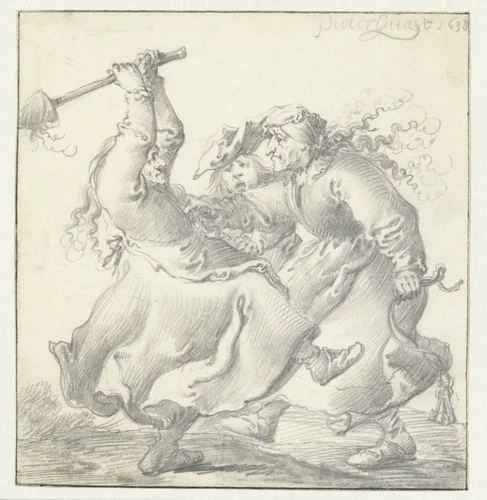
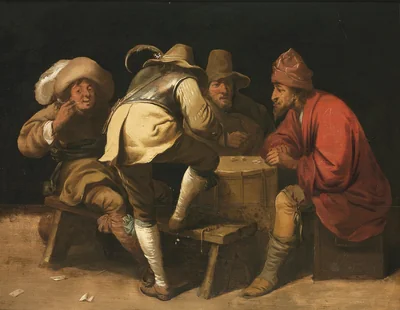
The satirical impulse is strongest in his printed works. The series known as T is al verwart-gaern (It’s already confusing) established his reputation as a chronicler of street life, featuring vivid character studies such as the Lame Beggar Asking for Alms. Other genre favorites, like De tandmeester (The Dentist) and The Card Players, place him firmly within a tradition concerned with exposing quackery and vice. While many of his peers pursued grander religious or historical narratives, Quast found his footing in these close, intimate observations. It is a distinctive mark of his artistry that while his subjects are often common, his technique and visual wit are anything but.
Although Pieter Jansz Quast paintings are rare, the enduring quality of his graphic production ensures his lasting significance. His works remain valuable references for studying the societal fabric of the period and are carefully maintained in premier global collections, including the Art Institute of Chicago, the Metropolitan Museum of Art, and the National Gallery of Art. Thanks to institutional digitization efforts, many historical Pieter Jansz Quast prints are now widely available as high-quality prints for study and appreciation.
Source: Wikipedia · CC BY-SA 4.0