Pieter Jansz
Pieter Jansz occupies a distinctive, if understated, position among the Dutch draughtsmen active between 1620 and 1630. Known primarily for a concise corpus of around fifteen recorded drawings, his work provides important insight into the allegorical, military, and heraldic interests of the Dutch Golden Age middle class. His lasting significance is underscored by his representation in preeminent global collections, including the Rijksmuseum, the Metropolitan Museum of Art, and the Art Institute of Chicago.
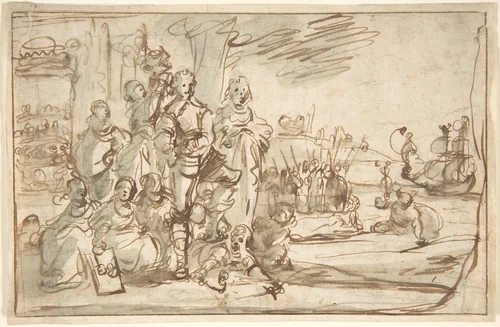
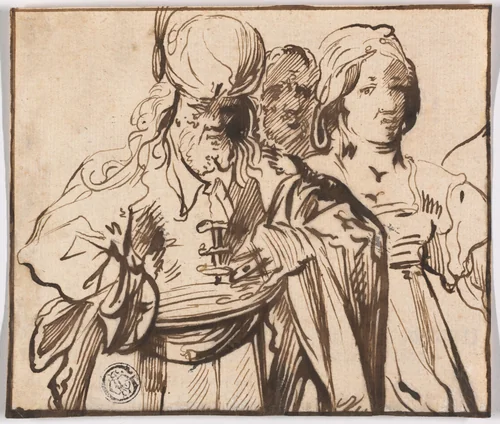
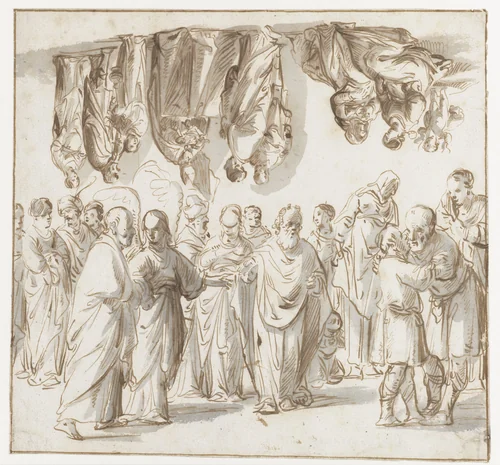
Jansz demonstrated technical mastery in both figurative studies and complex ornamental designs. Works such as Three Half-Length Figures reveal an economy of line employed to capture character, suggesting a training rooted in contemporary portrait etching. More ambitious are his allegorical compositions, typified by the monumental Allegorical Portrait of a Commander and His Wife. This piece, likely a preparatory study, exemplifies the careful balance of military power and domestic virtue favored in formal commissions of the era, showcasing his skill in organizing complex visual arguments.
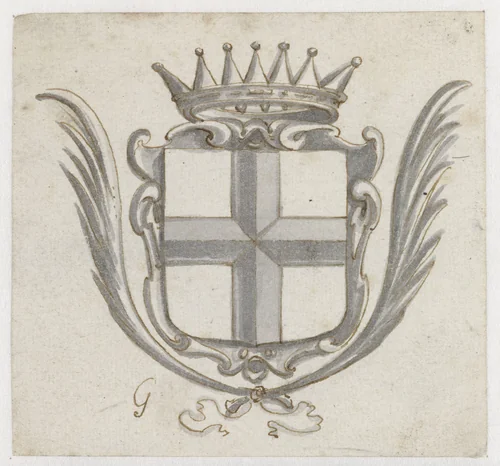
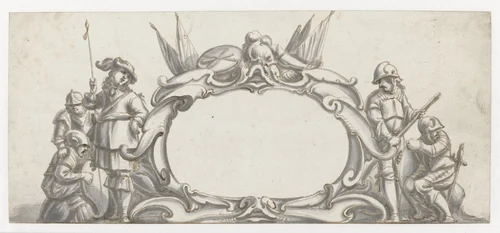
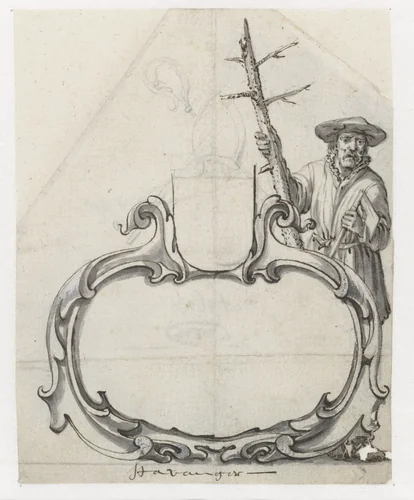
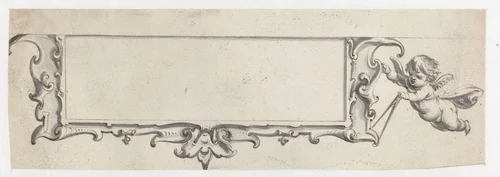
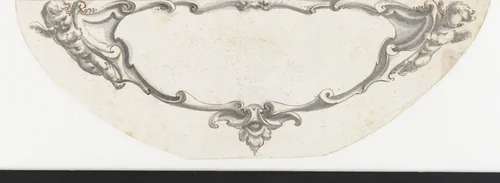
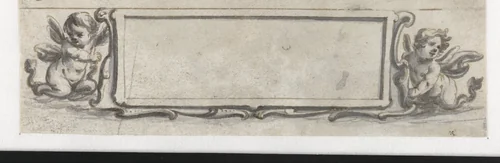
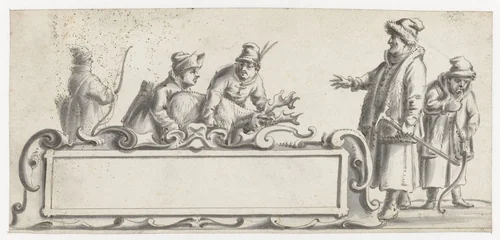
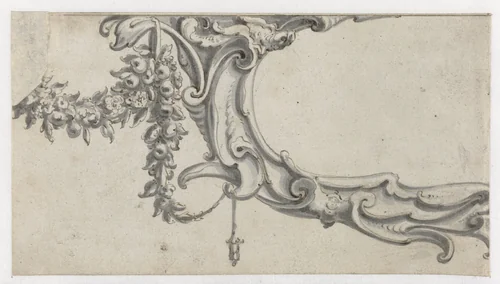
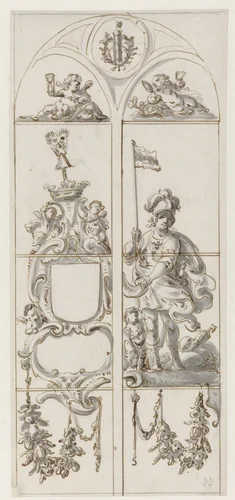
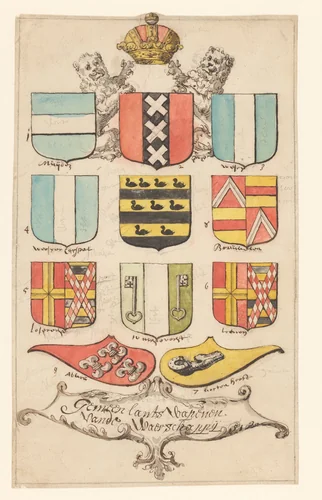
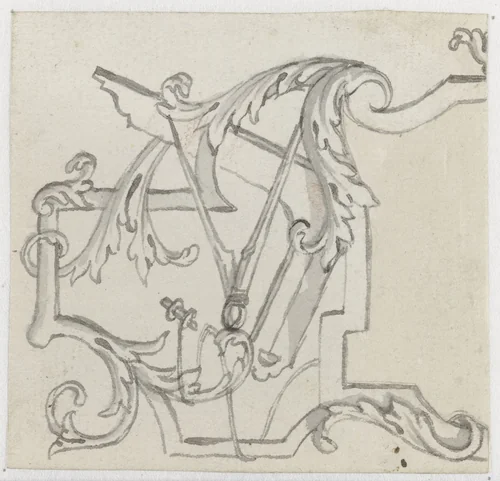
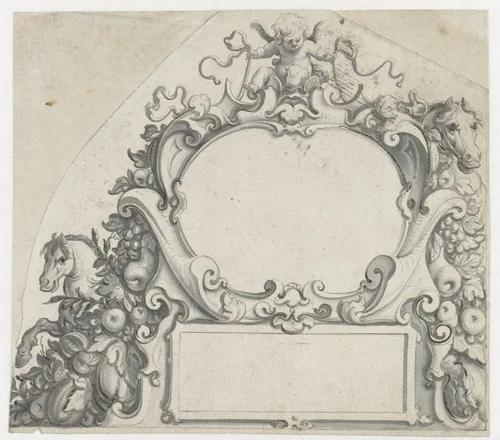
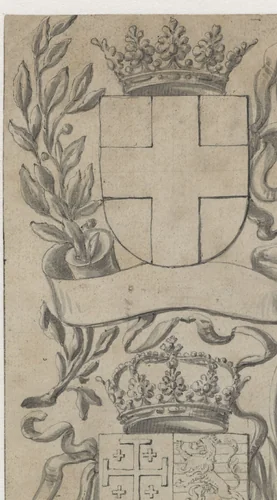
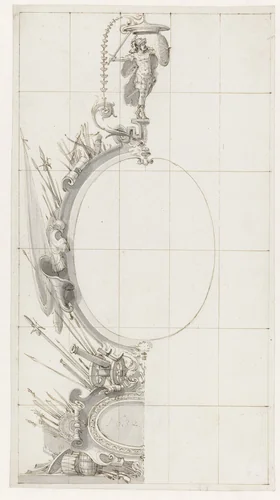
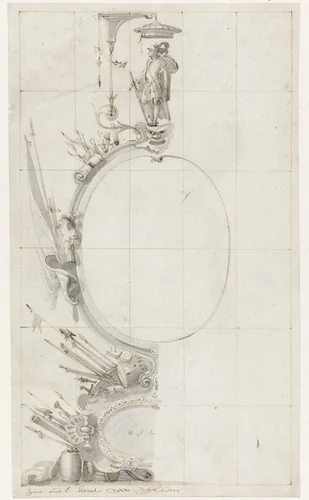
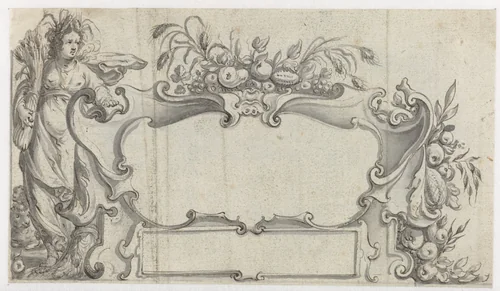
Jansz’s specialization extended into the highly focused field of heraldry, a genre vital for the documentation of civil and military authority. His commitment to precise detail is evident in sketches such as Bekroond wapenschild met twee palmtakken and the wonderfully specific Cartouche geflankeerd door vijf soldaten, a testament to his practical working methods. His study, Cartouche met een man met een dennenstam, further illustrates his interest in combining ornamental framing with human subjects engaged in labor or service.
One might observe that for an artist whose entire known output is relatively small, his dedication to the military vignette suggests a draughtsman who perhaps found greater joy in the meticulous placement of a palm branch or a soldier’s musket than in grand narratives. Jansz’s surviving drawings often serve as primary documents for scholars of seventeenth-century Dutch design and decorative arts. Fortunately, many of these key studies are available as high-quality prints, allowing broader public access to Pieter Jansz prints, with numerous works residing within the public domain.