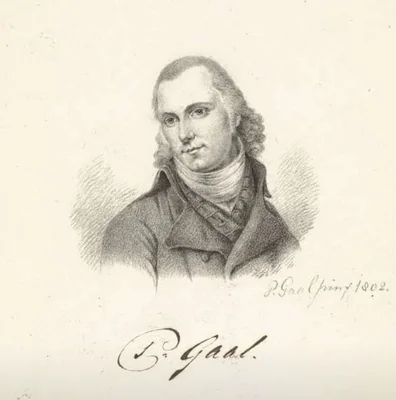
Pieter Gaal
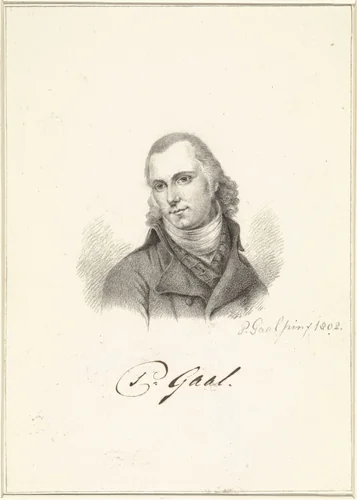
Pieter Gaal was a Dutch painter whose brief, though remarkably informed, period of artistic output (c. 1799-1803) positioned him as a keen observer of both domestic life and the shifting character of the European landscape. A scion of an established Zeeland painting dynasty—one whose origins are traceable to the noble Florens Ghale van Hoesbroec—Gaal benefited from a privileged upbringing that prioritized intensive study abroad, preparing him for the demands of early nineteenth-century patronage.
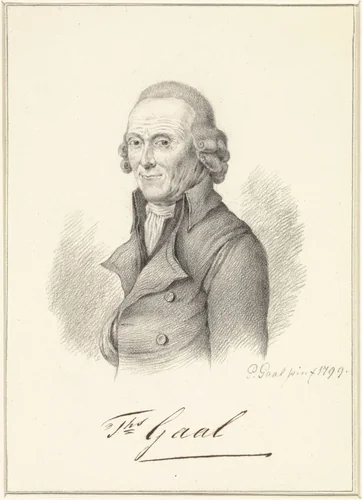
Unlike artists whose practice was confined to provincial academies, Gaal committed to a rigorous Grand Tour. His formative years included studies in Paris and a significant stay in London between 1789 and 1791, followed by travels through Italy, Germany, and the spectacular scenery of Switzerland. This extensive exposure meant that when Gaal ultimately focused on production, his thematic scope was unusually broad, encompassing not only the demanded landscapes filled with pastoral figures and cattle, but also precise genre pieces, nature morte studies of living and dead game, and intimate portrait commissions such as Portret van Thomas Gaal.
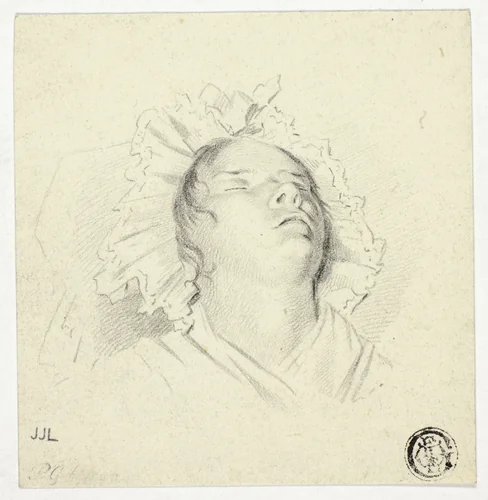
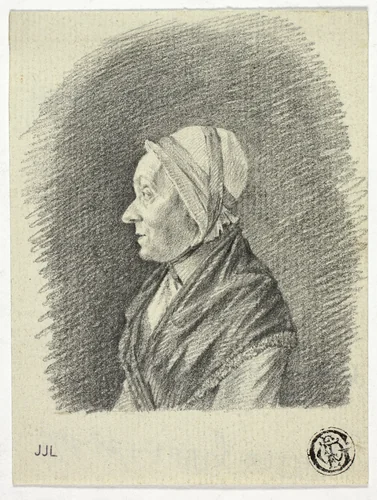
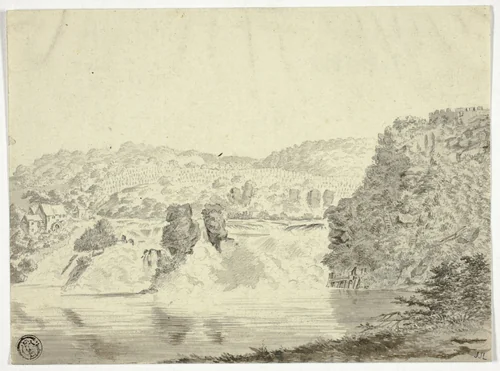
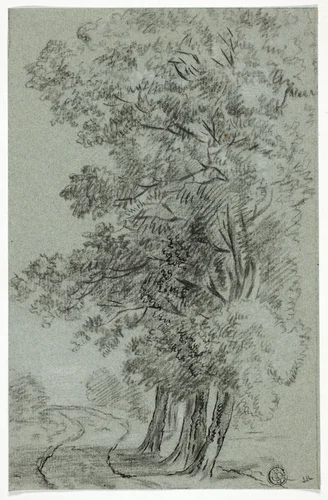
Perhaps it is the sheer volume of geographical experience that led to the comparatively small number of surviving works, though the handful of known Pieter Gaal paintings confirms his technical dexterity. Works like Rhone Waterfall near Schafhausen show a clear assimilation of Romantic interests in dramatic, sublime topography, a visual language absorbed directly during his travels. Yet, he also demonstrated profound skill in empathetic character studies, reflected in small but powerful drawings like Head of Sleeping Girl and Profile of Old Woman in Cap.
Gaal’s commitment to capturing the essence of European topography and domesticity makes his surviving drawings and paintings valuable documents of the late eighteenth-century visual sensibility. His artistic legacy extended through his son, Jacobus Cornelis Gaal, who continued the family tradition of portraiture. Many of these historically significant artworks are now in the public domain, allowing institutions and private collectors access to high-quality prints for scholarly purposes.
Source: Wikipedia · CC BY-SA 4.0