Pieter Fransz de Grebber
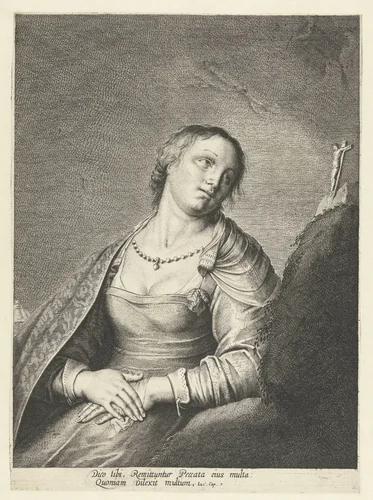
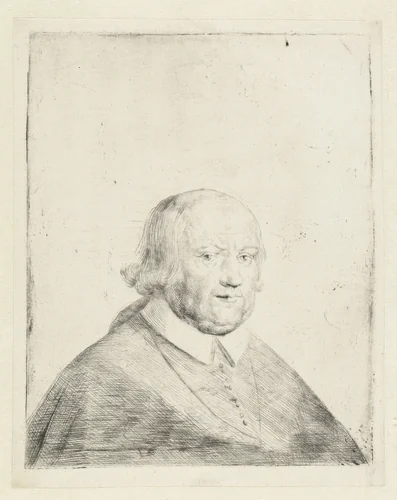
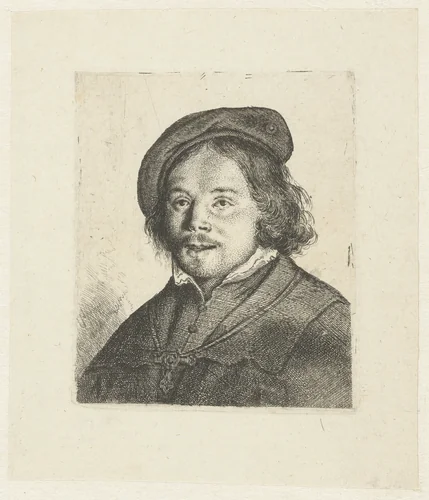
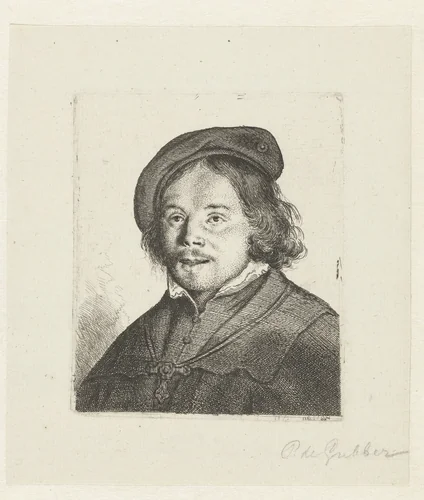
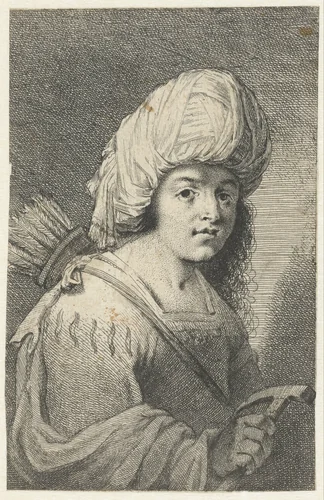
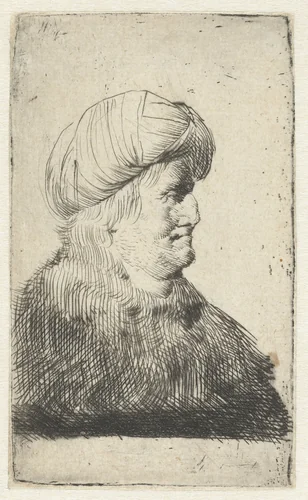
Pieter Fransz de Grebber (c. 1600-1652/3) holds a significant, if often understated, position within the flourishing artistic production of the Dutch Golden Age. Based in Haarlem, he was professionally categorized as a painter, a fact confirmed by contemporary records, though the enduring legacy of his currently accessible output relies heavily on his meticulous graphic works.
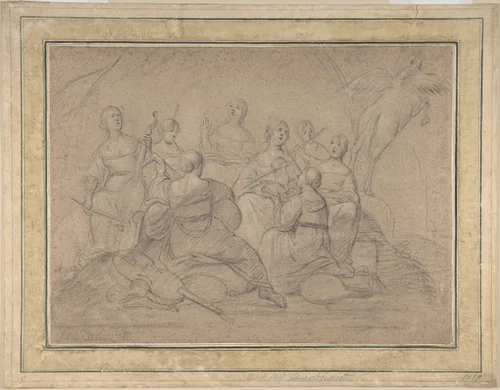
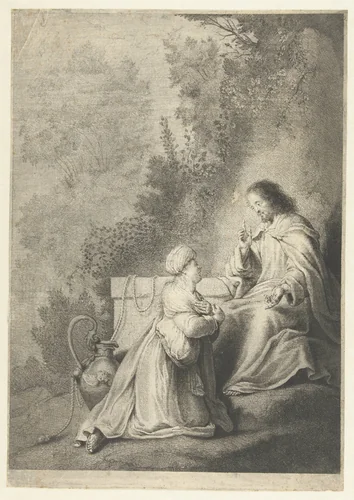
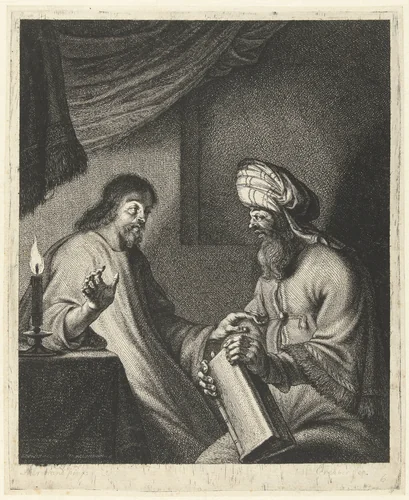
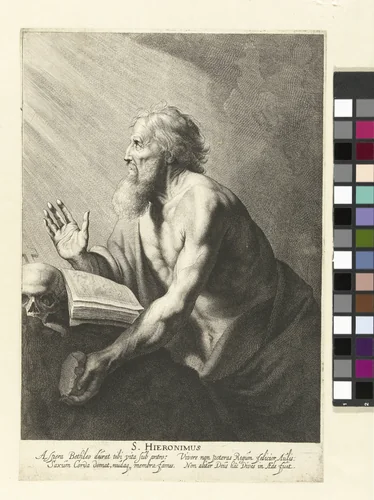
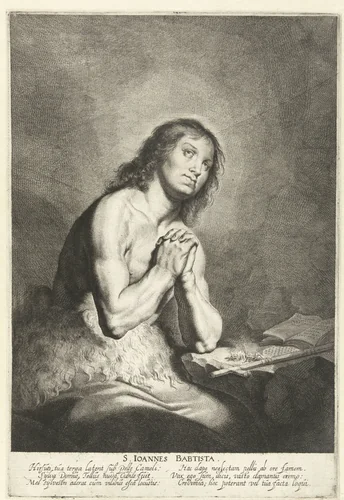
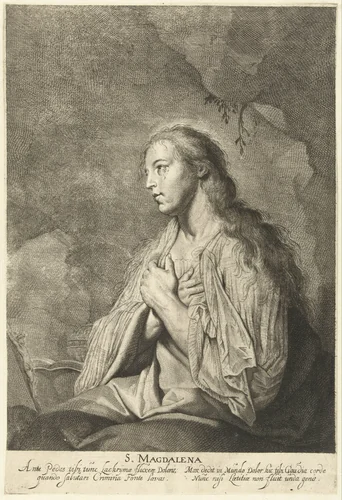
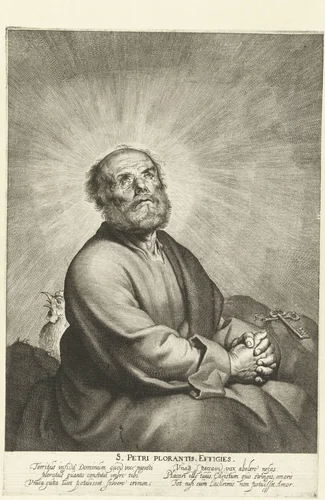
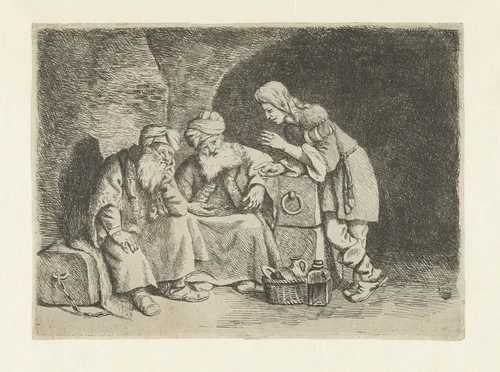
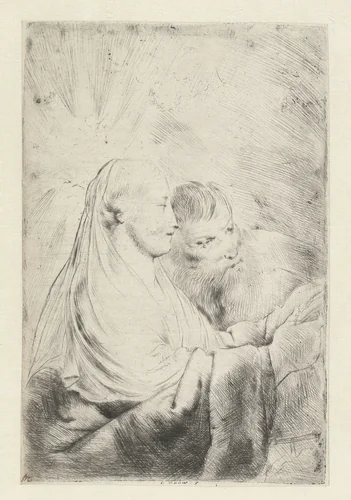
De Grebber’s known portfolio, comprising fourteen prints and a single extant drawing, reveals an artist deeply engaged with canonical religious and mythological narratives, subjects central to the artistic demands of the early seventeenth century. His graphic work often exhibits a refined, controlled technique characteristic of high-quality prints from the period. Notable examples demonstrate his focus on scriptural interpretation, including the detailed composition Christus en de Samaritaanse vrouw (Christ and the Samaritan Woman) and the theological engagement found in Christus in gesprek met Nikodemus (Christ Conversing with Nicodemus). He further explored classical iconography in works such as The Muses on Parnassus and traditional piety in his treatment of Heilige Hieronymus (Saint Jerome).
The artist’s career spanned the critical transitional phase between the influence of the Haarlem Mannerists and the rise of the high Dutch Baroque. Today, De Grebber’s work is recognized for its careful draughtsmanship, with original pieces held in institutional holdings of the highest caliber, including the Rijksmuseum and the Metropolitan Museum of Art. The scarcity of surviving Pieter Fransz de Grebber paintings contributes to the museum-quality status of his graphic arts.
Ensuring continued scholarly access, De Grebber’s historical documents are frequently available as downloadable artwork, often categorized under public domain or royalty-free collections. It is perhaps noteworthy that for an artist who lived through one of Europe’s most stylistically tumultuous artistic periods, his surviving output is remarkably focused, rarely straying from established scriptural or classical themes, indicating a quiet commitment to formal tradition amid rapid innovation.
Source: Wikipedia · CC BY-SA 4.0