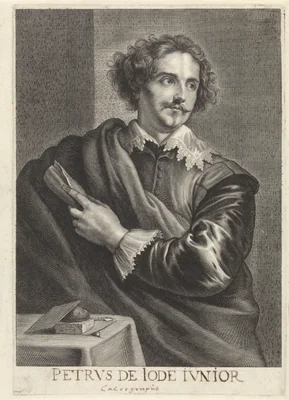
Pieter de Jode
The name Pieter de Jode denotes a significant and influential lineage within Netherlandish print culture, spanning two generations of highly skilled engravers: Pieter de Jode I (c. 1570-1634) and his son, Pieter de Jode II (1601-1674). While historical attribution can occasionally overlap, the documented output focusing on the period around 1570-1580 firmly establishes the foundational importance of Jode I, whose work represents a crucial transitional phase between late 16th-century Mannerism and the emergent Baroque.
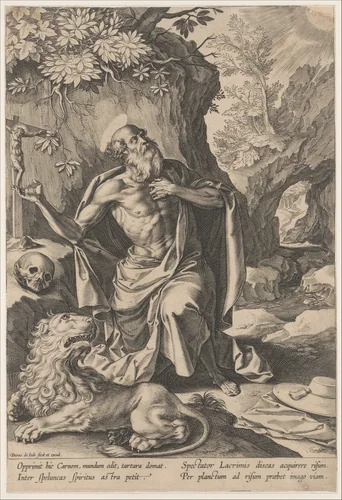
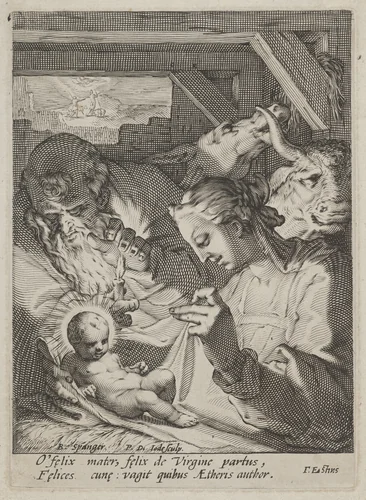
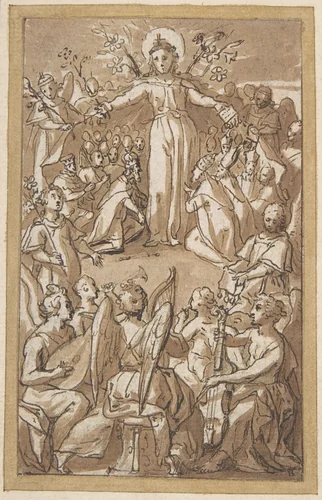
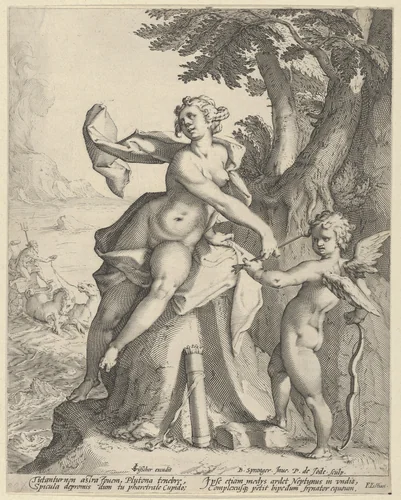
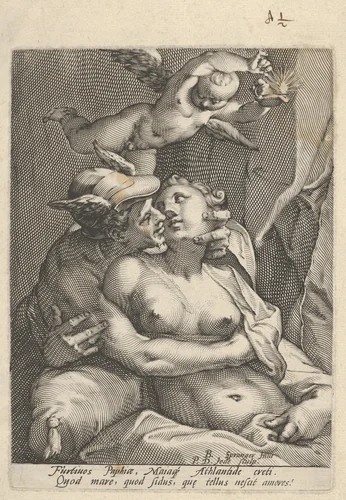
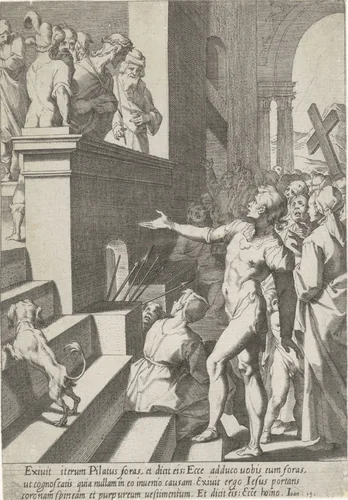
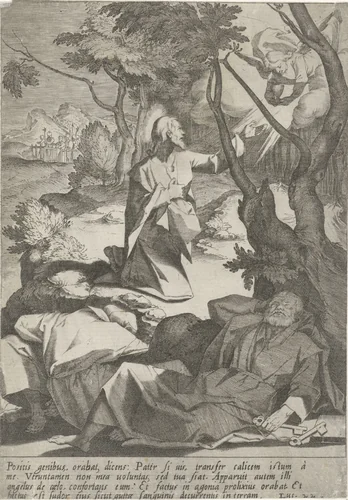
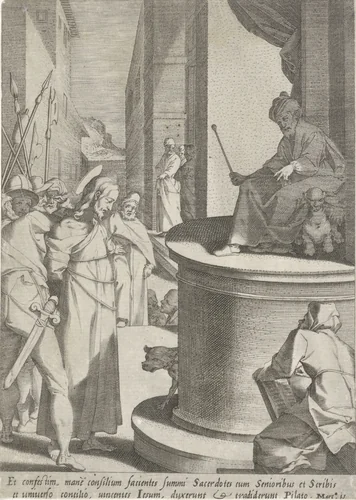
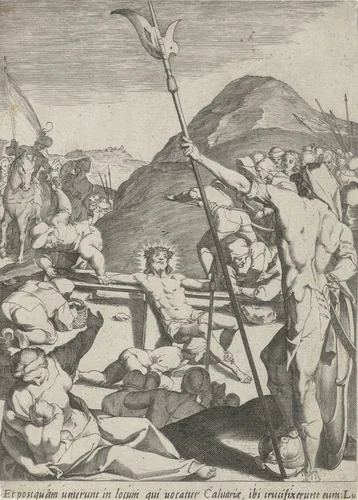
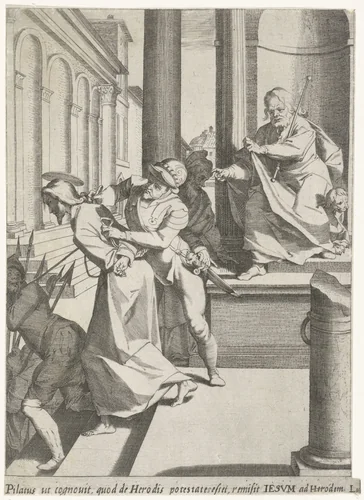
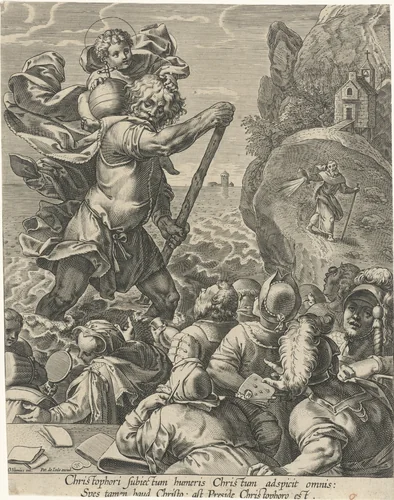
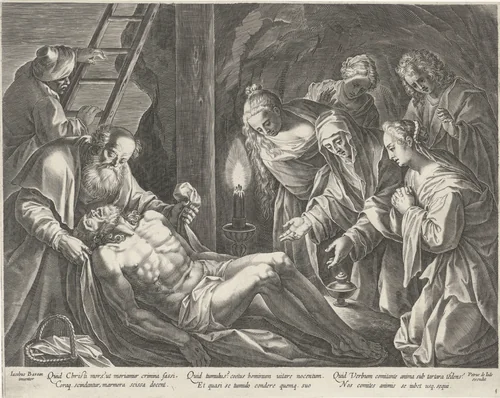
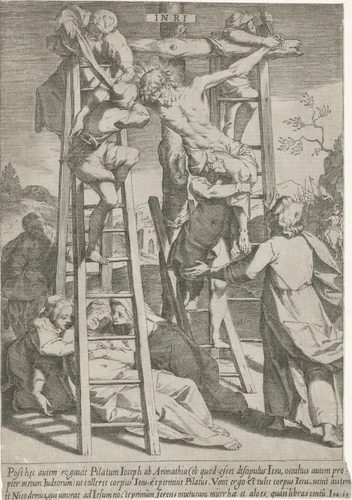
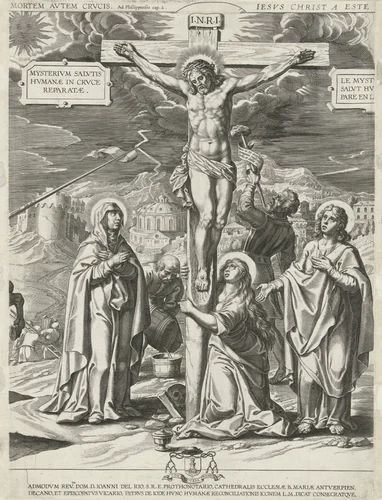
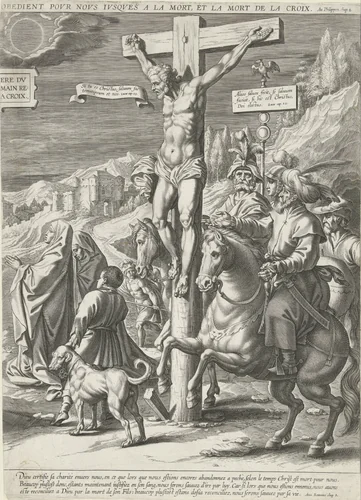
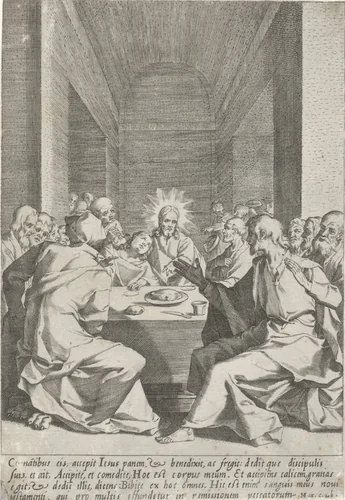
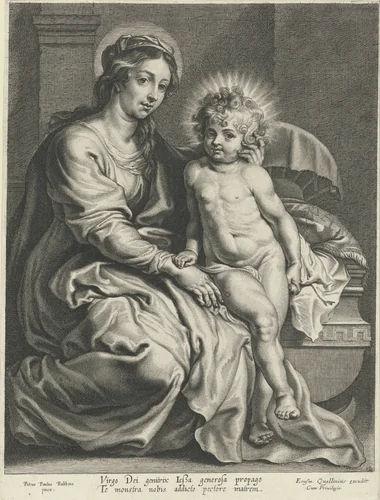
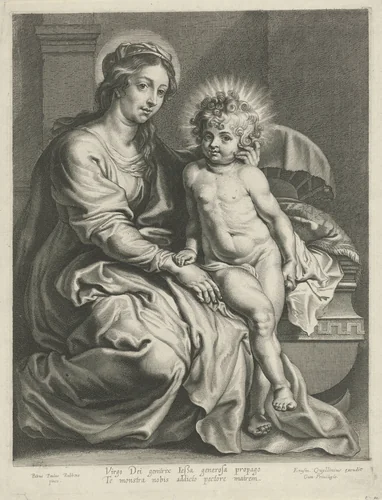
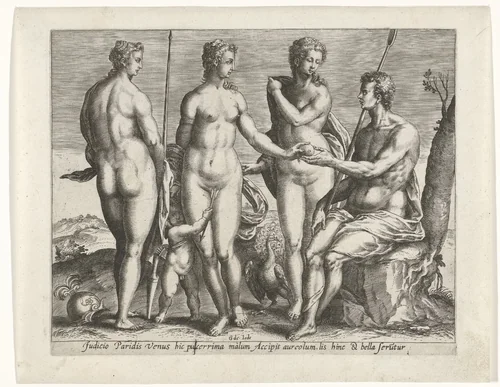
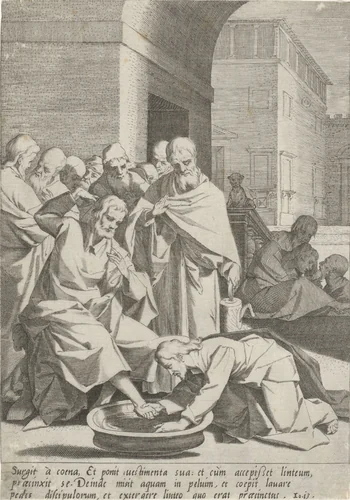
Jode’s graphic output, encompassing at least eight prints and seven drawings, demonstrates a consistent technical mastery in converting complex pictorial narratives into copperplate. This meticulous approach ensured the wide distribution of compositions ranging from sacred subject matter, exemplified by devotional pieces like Christus in de Hof van Olijven and De aanbidding der herders, to detailed figural studies such as Five Saints and Christ Healing the Leper. The continued preservation of these works in major international collections, including the Rijksmuseum, the Metropolitan Museum of Art, and the National Gallery of Art, confirms their enduring historical and museum-quality significance.
A particularly fascinating aspect of Jode’s breadth is the attention paid to secular observation. Alongside traditional biblical scenes, his catalogue features works like Adolescentis Angli et Iuvenculae Habitus, part of the Fashions of Different Nations series. It is a slight but telling observation that a master of devotional imagery was equally adept at recording the specific tailored elegance of contemporary social costume, revealing an almost anthropological interest in the changing world.
The legacy of the Jode atelier lies in its role as a key purveyor of visual knowledge across Europe. Their production facilitated the replication of compositions into precise, high-quality prints, which were essential to artistic education and patronage. Today, much of this indispensable graphic output falls within the public domain, providing researchers and enthusiasts worldwide with accessible downloadable artwork for study and appreciation.
Source: Wikipedia · CC BY-SA 4.0