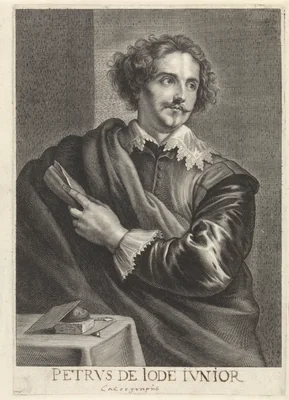
Pieter de Jode II
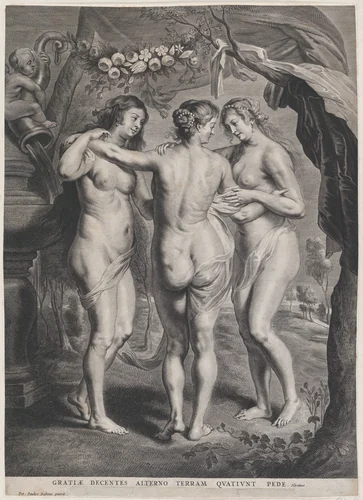
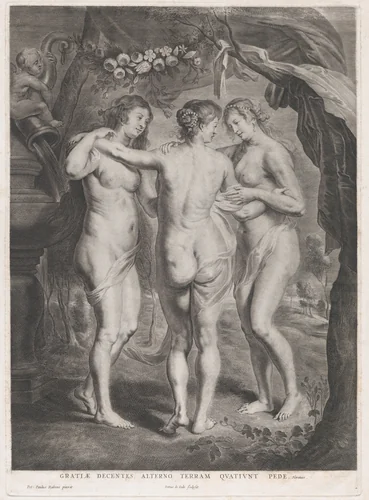
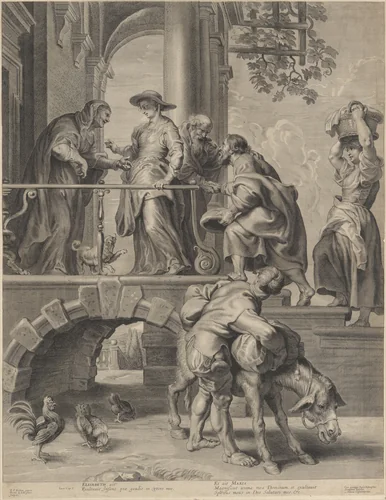
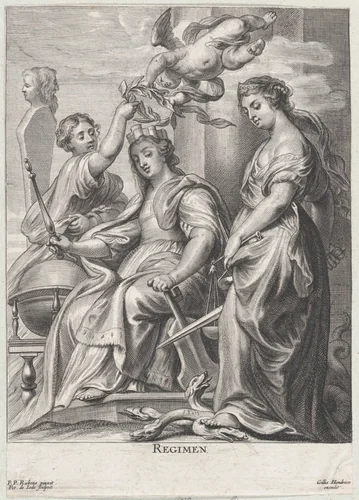
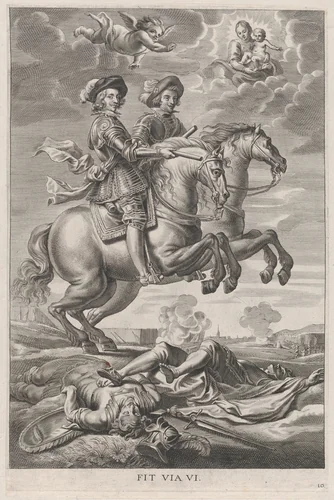
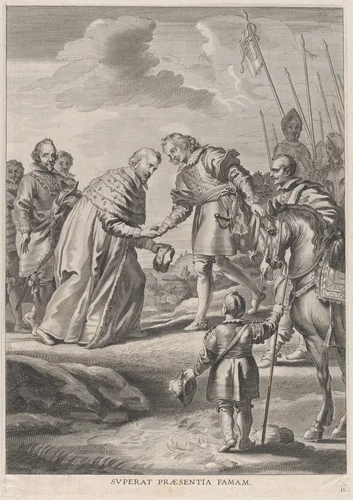
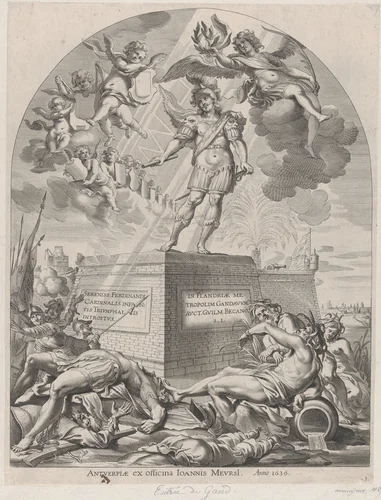
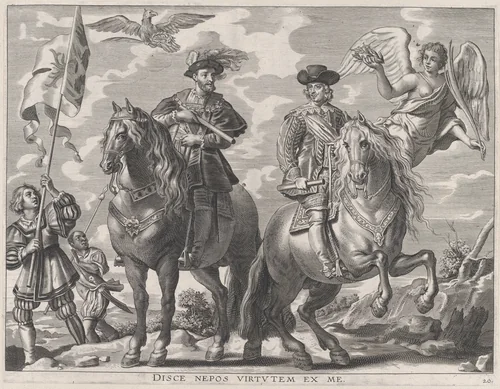
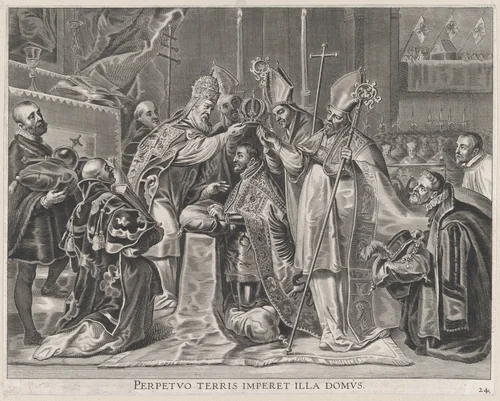
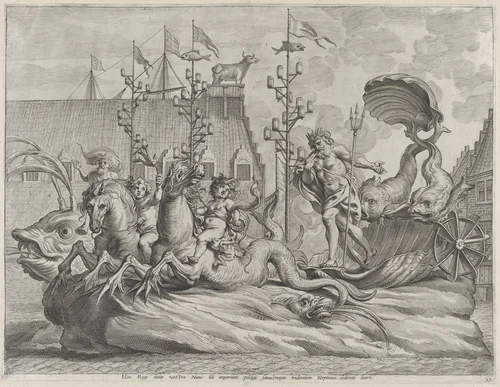
Pieter de Jode II (1606–1674), often referred to as Pieter de Jode the Younger, was a pivotal figure in the complex infrastructure of Flemish Baroque art. Operating out of Antwerp, he succeeded his father as a draughtsman, painter, and influential art dealer, but his enduring significance stems from his prolific work as a reproductive printmaker. A scion of an important dynasty of engravers, De Jode II skillfully capitalized on the intense seventeenth-century demand for high-quality prints, which disseminated the styles of the Flemish masters across Europe.
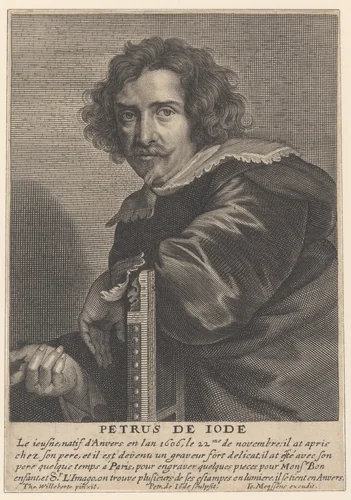
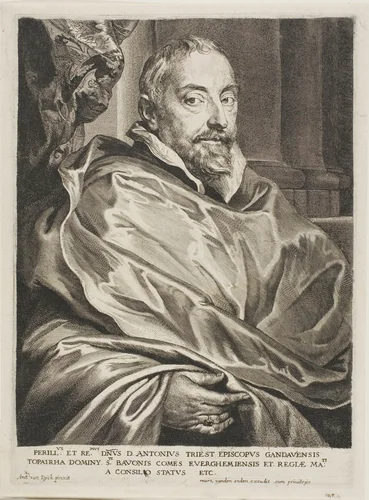
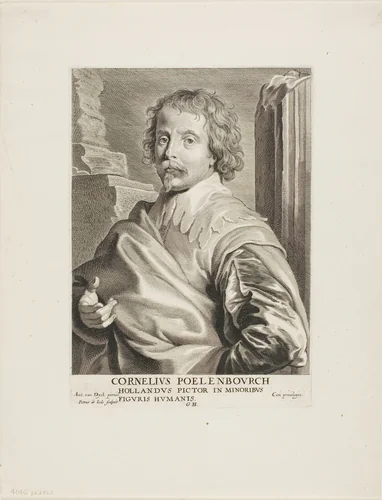
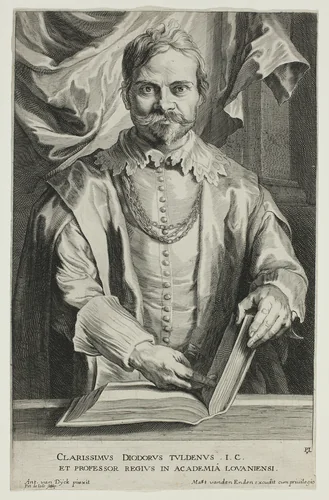
His career coincided with the zenith of Antwerp’s artistic production, placing him in direct collaboration with the era's leading painters. Most crucially, De Jode II maintained a close and professionally demanding relationship with Anthony van Dyck. He was integral to the realization of Van Dyck’s ambitious Iconography, a major publishing project that sought to immortalize contemporary European statesmen, philosophers, and artists through engraved portraits. Plates such as the meticulously rendered Portrait of Pieter de Jode the Younger demonstrate his precise technical skill in translating the subtlety of oil paint into rigorous line engraving.
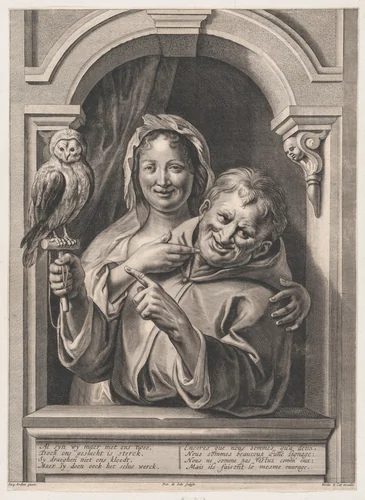
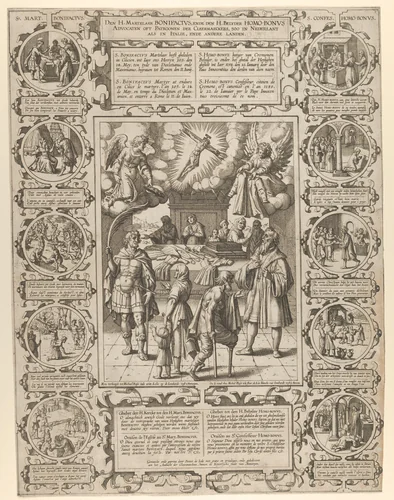
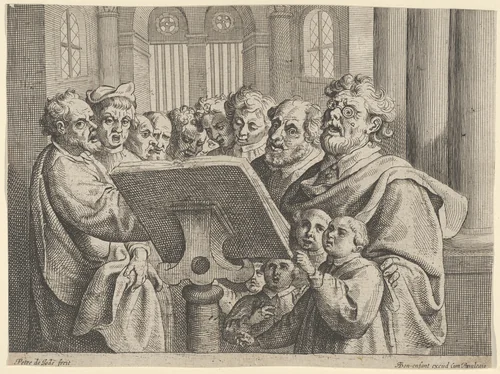
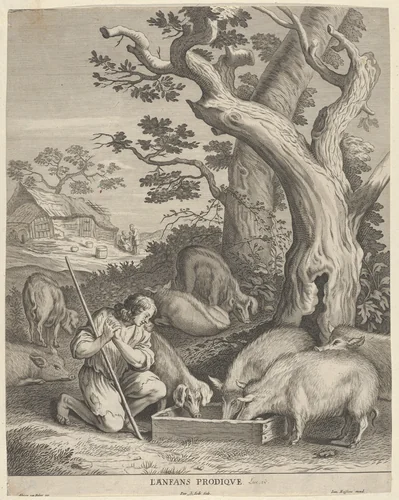
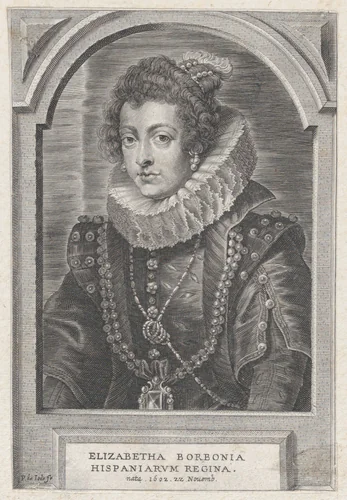
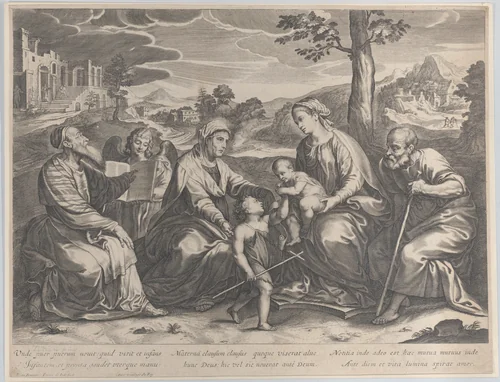
De Jode II’s subject matter was diverse, encompassing devotional subjects, genre scenes, and detailed portraits. Examples include the devotional St. Bonifacius and St. Homobonus, Patron Saints of Tailors and engaging character studies like A Fool with an Owl and a Woman at a Window. These works established him not merely as a technician, but as a sensitive interpreter of diverse visual rhetoric. It is perhaps a minor curiosity of the era’s hierarchy that, despite his close professional relationship with Van Dyck, De Jode II was ultimately compelled to engrave his own portrait for the Iconography rather than receiving the distinction of having the master execute it.
The historical value of Pieter de Jode II prints is substantial, often providing the most accurate visual record of compositions that have since been lost or altered. His output, which helped define the look of the Flemish Baroque for international audiences, is today held in the collections of major institutions, including the Metropolitan Museum of Art and the Art Institute of Chicago. Fortunately for researchers and enthusiasts, many of these historical artifacts now reside in the public domain, making this rich history of downloadable artwork widely accessible for study and appreciation.
Source: Wikipedia · CC BY-SA 4.0