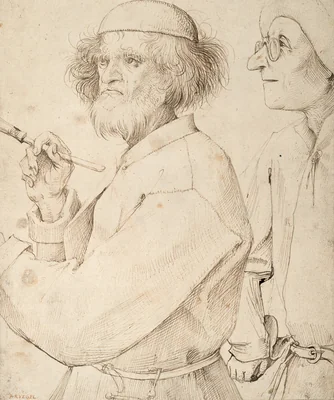
Pieter Bruegel
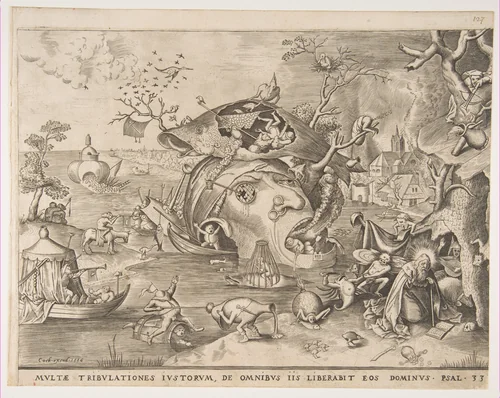
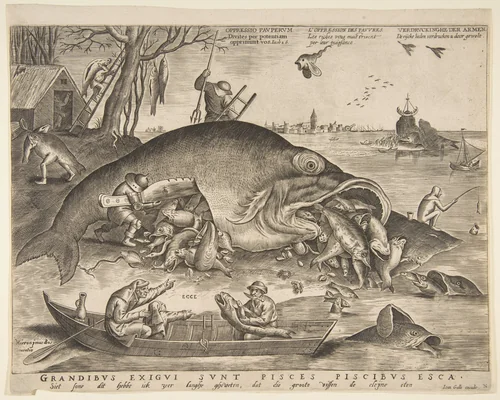
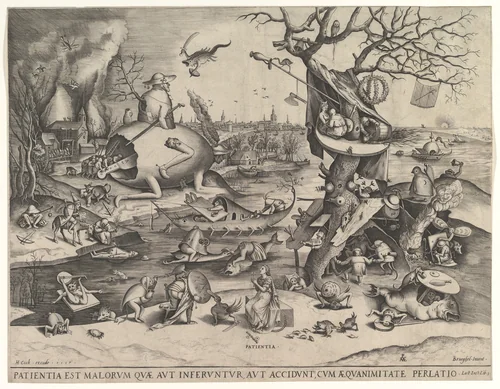
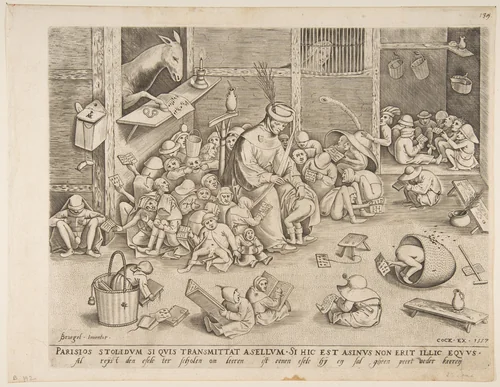
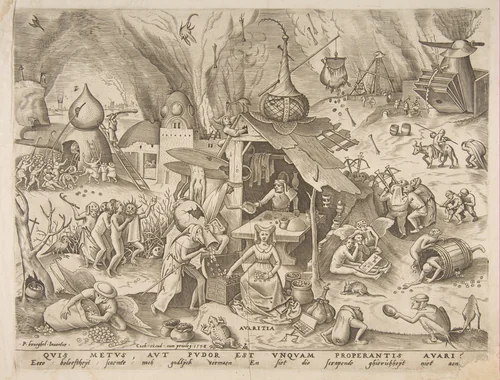
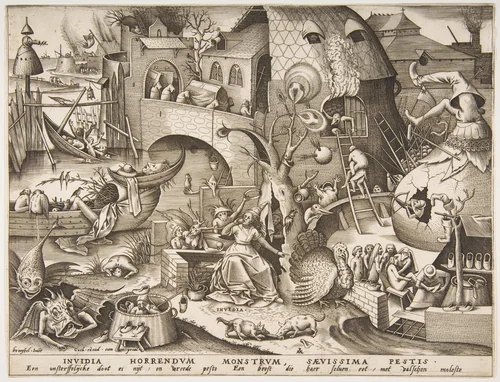
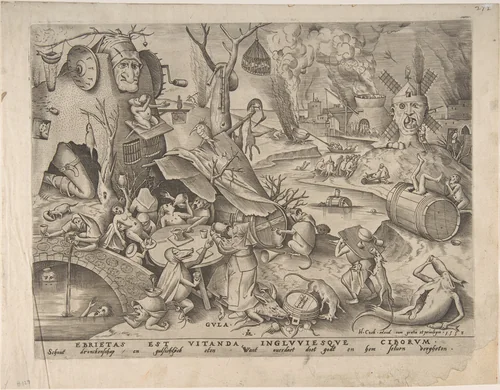
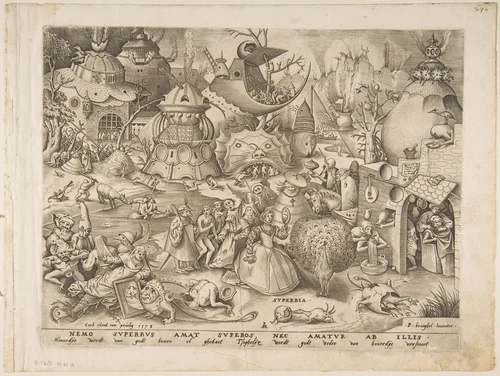
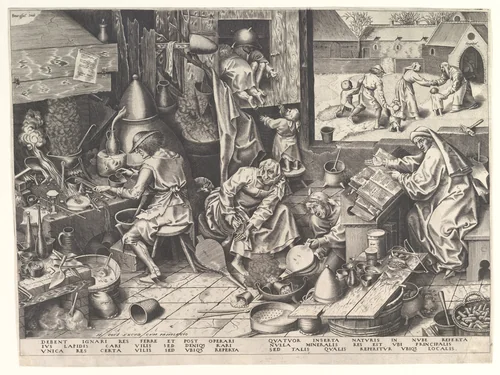
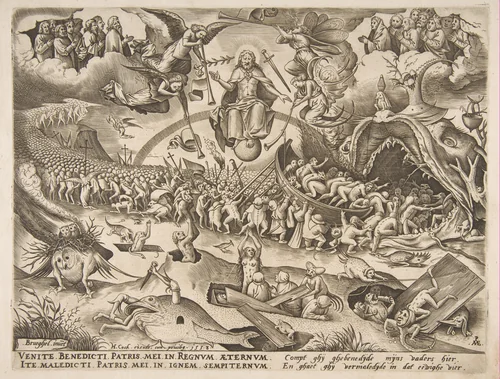
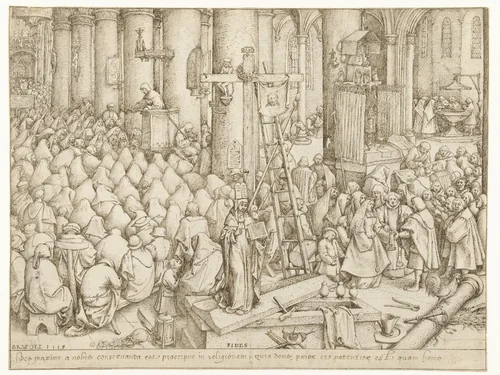
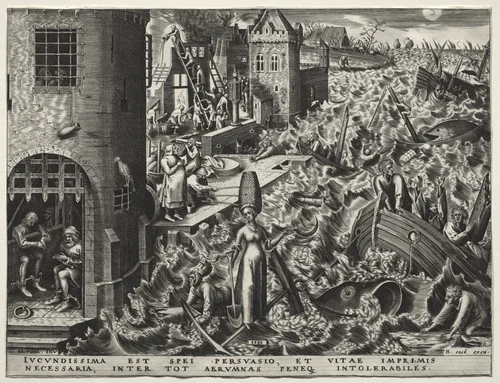
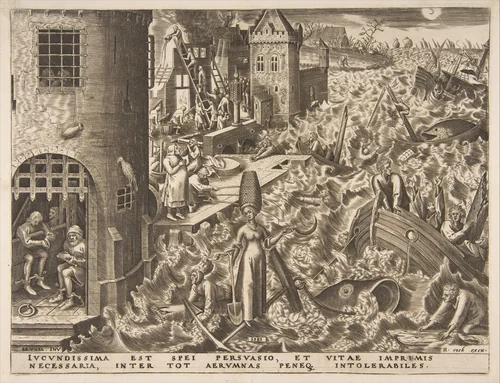
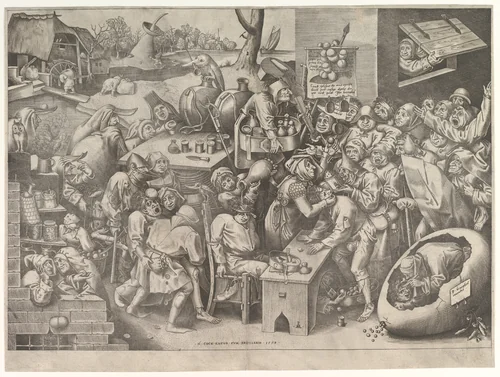
Pieter Brueghel the Elder stands as the most pivotal Dutch and Flemish Renaissance painter of the mid-16th century, fundamentally shifting the focus of Northern European art. Active between 1500 and 1553, Bruegel distinguished himself not only through his significant paintings but through his innovative and prolific output of drawings and prints, which disseminated his vision across Europe. He moved decisively away from the dominance of purely religious themes to explore complex, meticulously detailed landscapes and human genre scenes, establishing a tradition that would profoundly influence subsequent generations of artists.
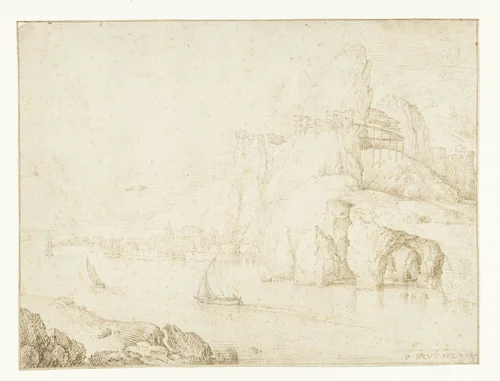
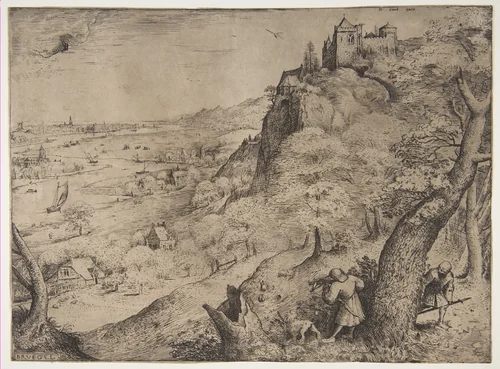
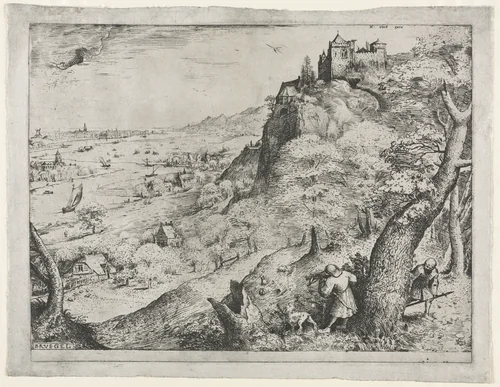
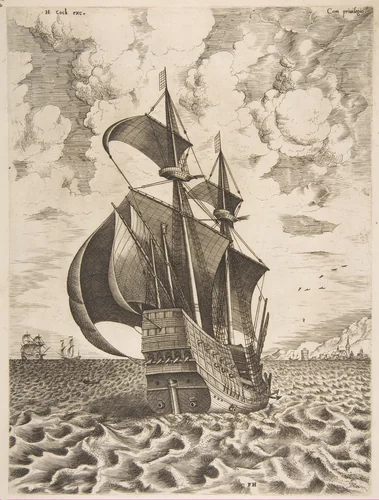
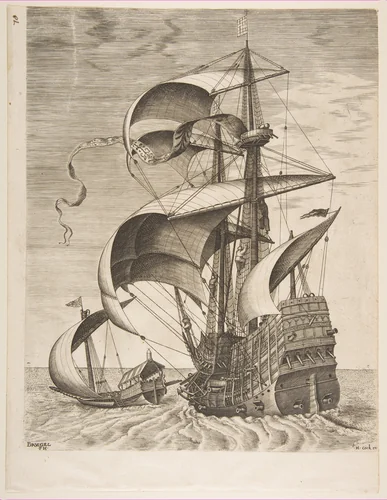
Bruegel’s technical mastery is evident in his foundational approach to landscape. Unlike artists who used nature merely as a static backdrop, Bruegel employed expansive horizons and dynamic compositions, utilizing complex perspective to integrate his subject matter seamlessly into the environment. Works such as Three Ships at Sea demonstrate his attention to the forces of nature, while the layered detail of Wooded Landscape with Donkeys and Goats, and Castle on Hill in Distance showcases his unique synthesis of natural observation and imaginative construction. His influential design work for publishers, particularly the series known as "The Large Landscapes," including Euntes in Emaus (Landscape with Pilgrims at Emmaus), solidified his reputation as a master of atmospheric graphic art.
This mastery sometimes contrasts sharply with the output of his son, Pieter Brueghel the Younger (1564-1638). Though the Younger was a Flemish painter who successfully operated a large workshop specializing in high-quality copies of his father’s work, he gained his own distinctive recognition, often ironically, as "Hell Brueghel."
The foundational artistic legacy of Pieter Bruegel the Elder endures, reflected in the survival of his preparatory drawings, such as Forest Landscape with Wild Animals, which offer vital insights into his compositional methods. Today, the work of both artists is housed in prestigious collections, including the Metropolitan Museum of Art, the National Gallery of Art, and the Cleveland Museum of Art. Much of Bruegel’s graphic material is now in the public domain, ensuring that access to this foundational canon is widespread, with downloadable artwork facilitating study and securing the ongoing relevance of Pieter Bruegel prints worldwide.
Source: Wikipedia · CC BY-SA 4.0