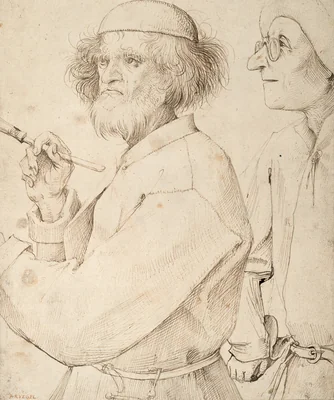
Pieter Bruegel the Elder
Pieter Bruegel the Elder (c. 1528-1569) is arguably the most significant figure of sixteenth-century Flemish art and a towering force of the Northern Renaissance. Operating in the dynamic center of Antwerp, this influential painter and printmaker successfully shifted the trajectory of European visual culture by redefining appropriate artistic subject matter.
Bruegel’s fundamental innovation lay in his elevation of two previously subsidiary genres: the expansive landscape and the detailed peasant scene. Where earlier masters had relegated these subjects to peripheral backgrounds, Bruegel placed them centrally in large, intellectually rigorous compositions. He was a genuine pioneer in establishing both types of subject as independent forms worthy of major oil paintings. This emphasis, particularly on the daily rituals of agricultural life and the folly of the common man, led to his later, perhaps reductive, moniker, “Peasant Bruegel.”
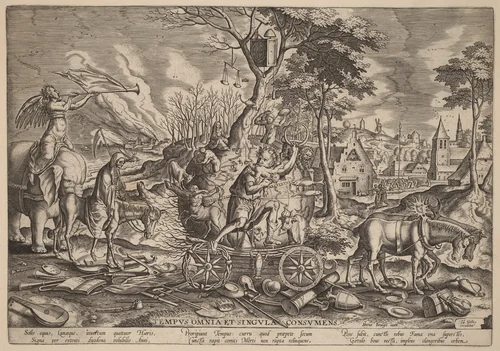
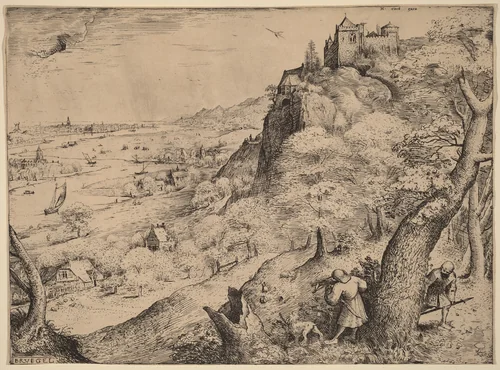
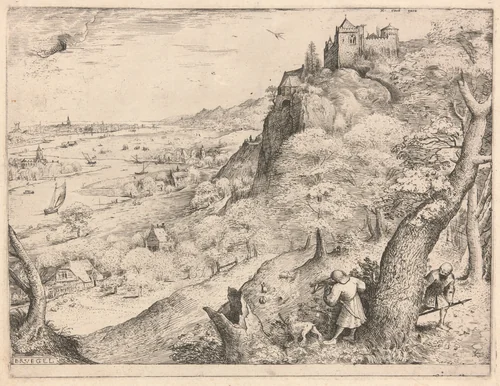
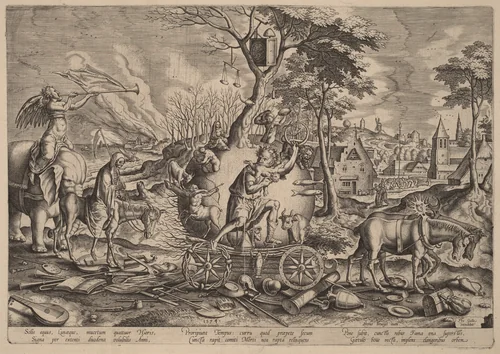
His masterpieces, including the print The Triumph of Time and the detailed observation found in works like The Rabbit Hunters, demonstrate a command of allegorical depth matched only by a penetrating sense of human observation. He treated the lives of farmers and villagers not merely as picturesque scenery, but as rich, complex narrative environments.
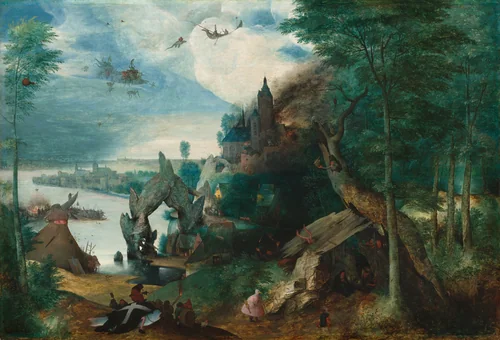
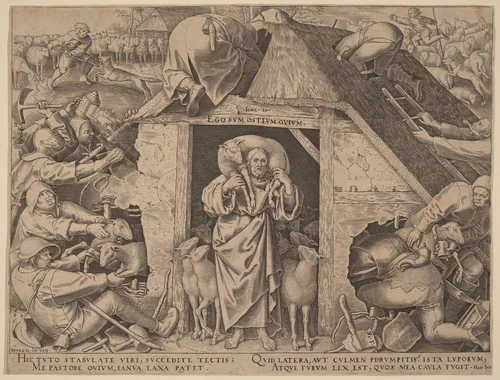
Crucially, Bruegel’s impact was amplified through his prodigious output of graphic works. Collaborating with major print publishers, he ensured that his distinctive style, characterized by a detailed, sometimes chaotic narrative structure, was widely distributed across Europe. While celebrated for his surviving Pieter Bruegel the Elder paintings, his production of original drawings for engravings was vital to his contemporary fame. Today, many of these compelling visual narratives, such as The Temptation of Saint Anthony, are available as high-quality prints, readily accessible due to their long standing in the public domain.
It remains a remarkable feature of his legacy that an artist so focused on depicting the earthly and the rustic achieved such sophisticated and enduring intellectual currency among the elite collectors of the time. Bruegel’s vision ultimately served as a vital bridge between the classical structures of the Renaissance and the genre realism that would define the succeeding Dutch Golden Age. His work is held in major international collections, including the Art Institute of Chicago and the National Gallery of Art.
Source: Wikipedia · CC BY-SA 4.0