Pieter Bodding van Laer
Pieter Bodding van Laer was a highly influential Dutch painter and printmaker whose significant period of activity in Rome, spanning over a decade, provided a foundational bridge between the precise realism of the North and the classical settings of Italy. Active roughly between 1592 and 1636, Van Laer established a unique visual vocabulary focused on the unvarnished realities of quotidian life placed within the evocative environs of the Eternal City.
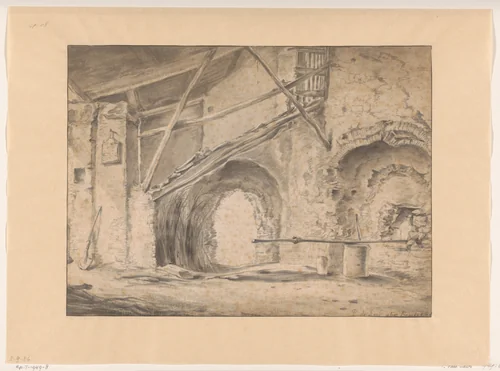
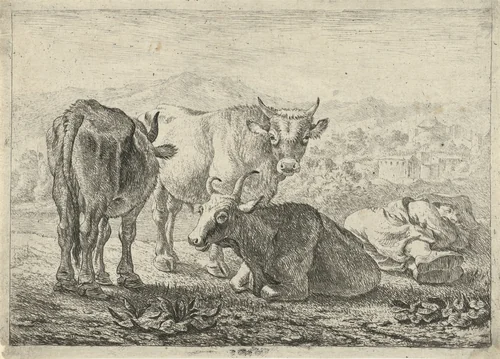
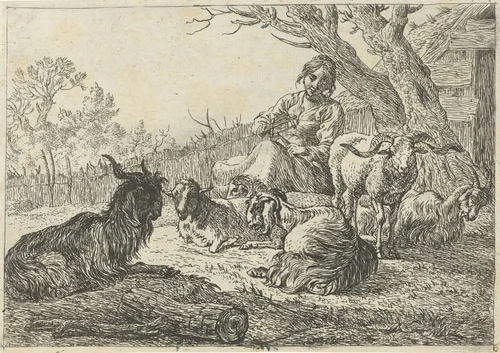
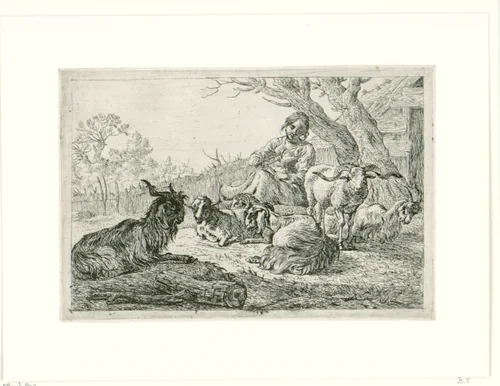
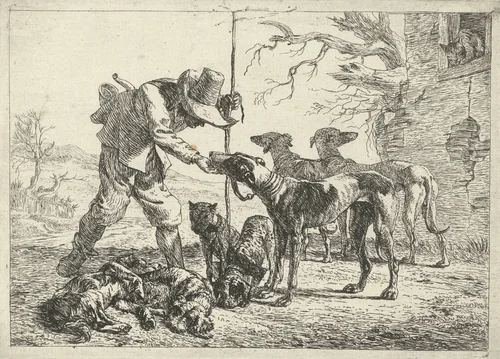
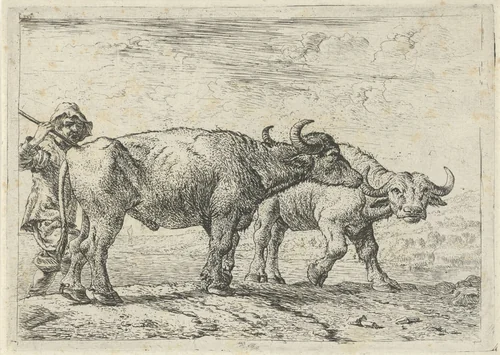
Van Laer’s lasting impact lies in his specialization across three demanding genres: genre scenes, animal paintings, and detailed landscapes capturing the light and architecture surrounding Rome. Unlike many of his contemporaries who focused exclusively on high narrative history painting, Van Laer turned his attention downward, documenting the daily hustle of merchants, peasants, and domestic animals. His approach introduced a new level of immediacy and observational accuracy to the Roman art scene, often employing architectural features as backdrops, such as in the print Interieur met poort en trap.
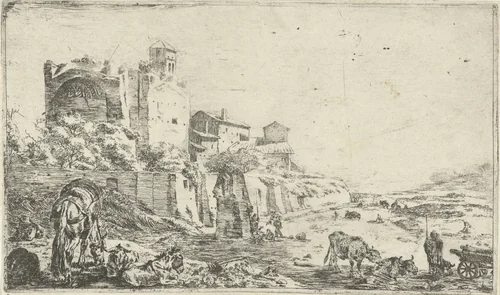
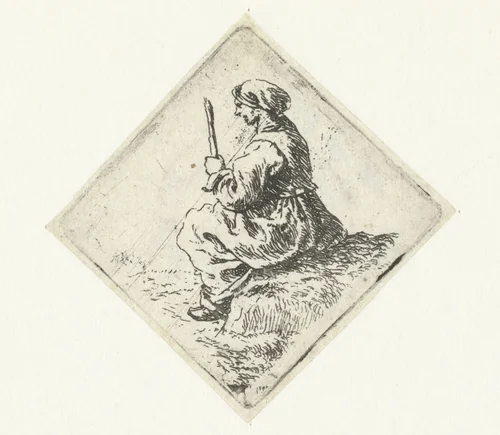
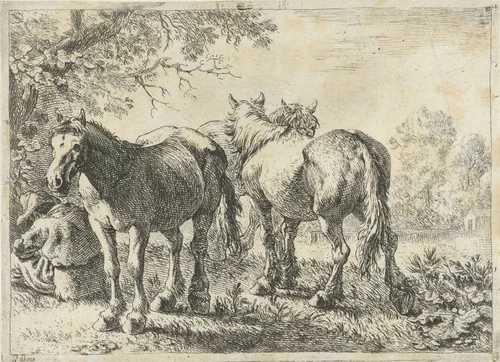
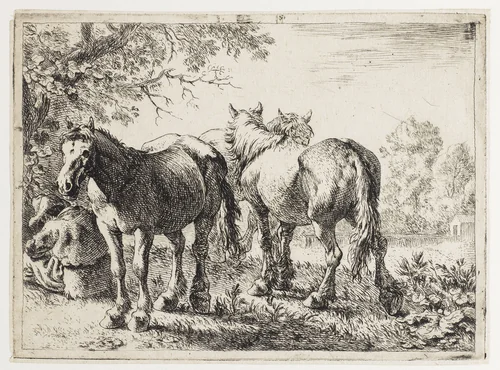
This artistic commitment to the commonplace elevated scenes of travelers, laborers, and domestic incidents to compelling subjects. Van Laer’s ability to render figures in motion, often emphasizing their physical interaction with their surroundings, is evident in his studies like Zittende vrouw and the dynamic arrangement of Drie paarden en een boer. Yet, he never fully divorced himself from the grandeur of his location, frequently integrating classical motifs and ruins, as seen in his depiction of the Ruïnes van de tempel van Venus en Roma.
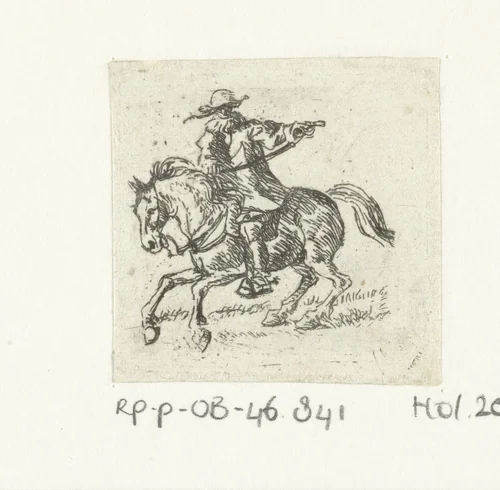
As a prolific printmaker-ten known Pieter Bodding van Laer prints are listed in institutional databases-Van Laer was able to disseminate his innovative style widely across Europe. This body of graphic work, including the depiction of a single Ruiter (Horseman), underscores his mastery of line and composition. Today, many of these works are preserved in major repositories like the Rijksmuseum, and are often made available as museum-quality, high-quality prints or downloadable artwork, ensuring that the subtle wit and acute observation defining Van Laer’s vision remain accessible to modern viewers.
Source: Wikipedia · CC BY-SA 4.0