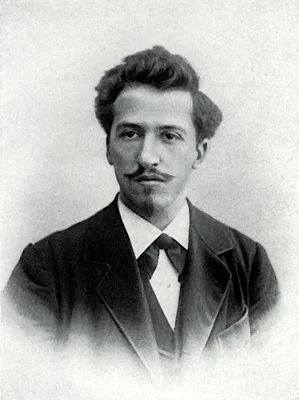
Piet Mondrian
Pieter Cornelis Mondriaan, known universally after 1911 as Piet Mondrian, is one of the most significant and uncompromising figures in the history of 20th-century art. A Dutch painter and theoretician, he fundamentally altered the trajectory of modern painting, transitioning from traditional naturalism toward a distilled, purely geometric vocabulary. His relentless pursuit of visual universality established him as a pioneer of Abstract Art.
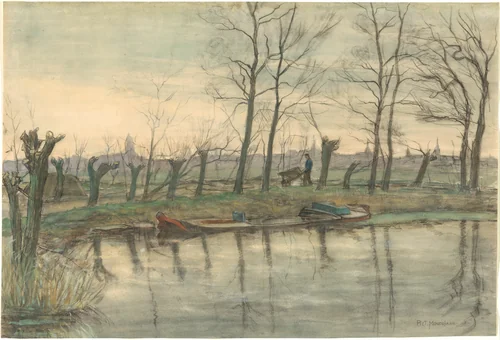
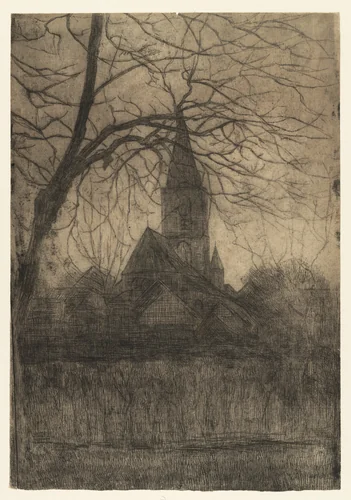
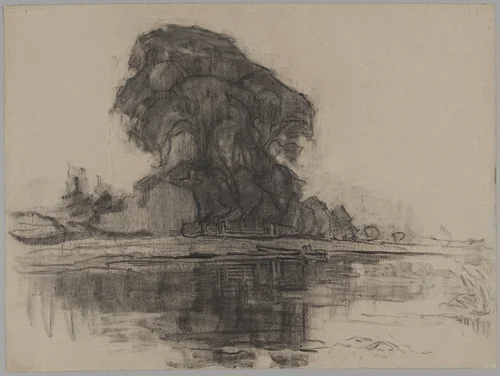
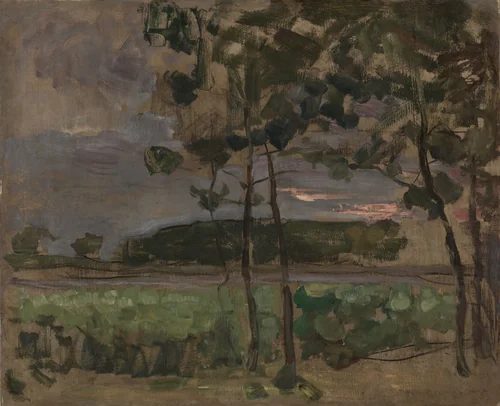
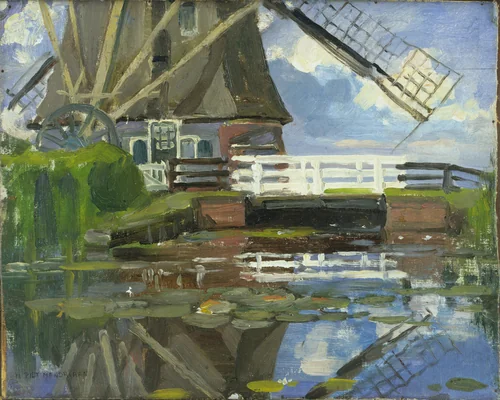
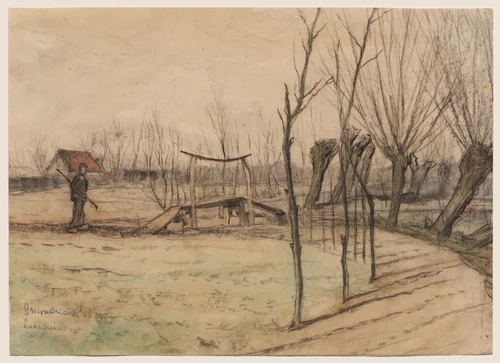
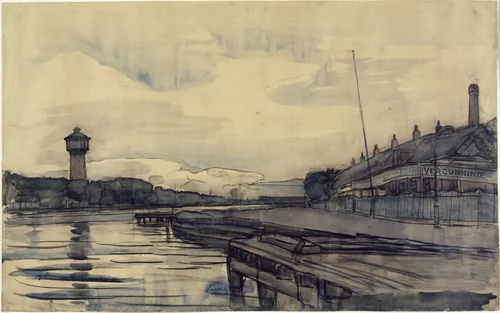
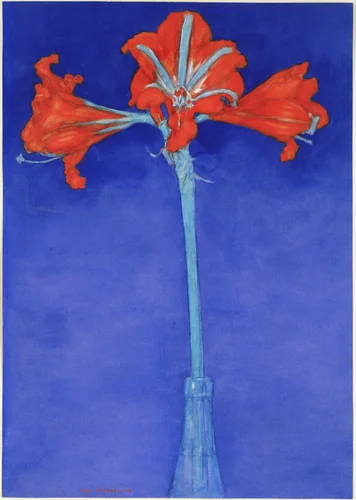
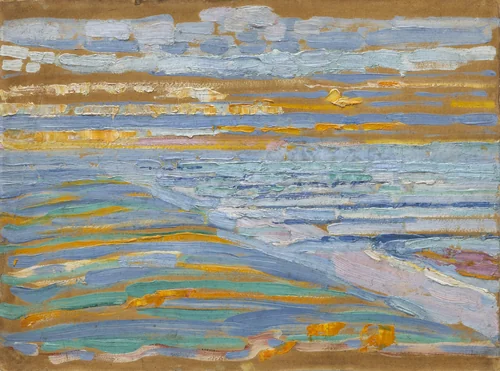
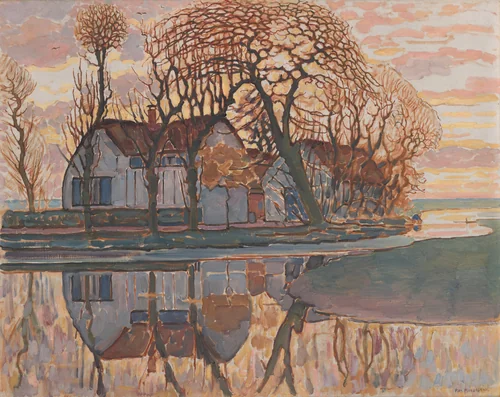
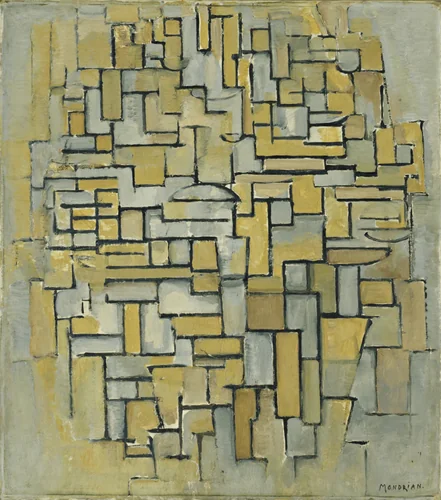
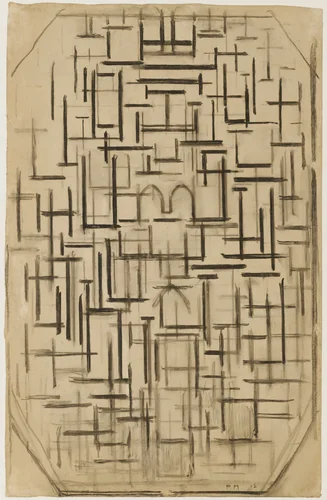
Mondrian's early active period, dating from 1894 through 1914, shows a profound engagement with the Dutch landscape tradition. Early works, such as Reformed Church at Winterswijk and the delicate Truncated View of the Broekzijder Mill on the Gein, Wings Facing West, reveal a structural intensity that foreshadows his later, systematic reductions. However, his seminal transformation began around 1907 and accelerated dramatically after his move to Paris. Here, Mondrian gradually shifted from figurative depiction toward an analytical Cubism, initiating the theoretical inquiry that would consume the remainder of his career.
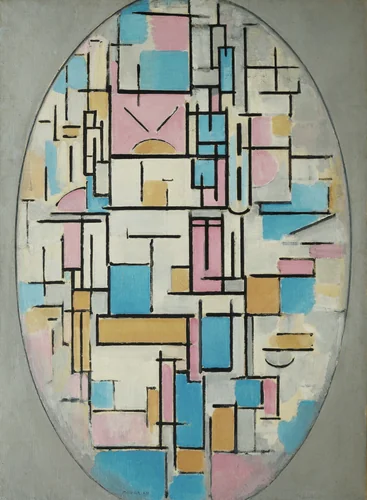
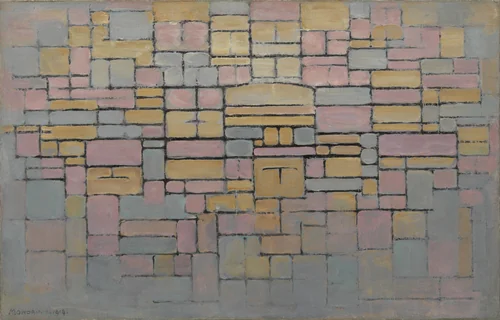
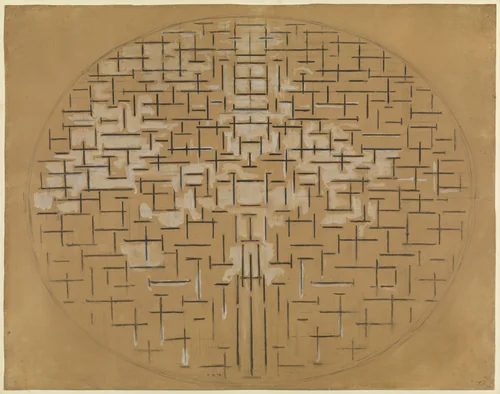
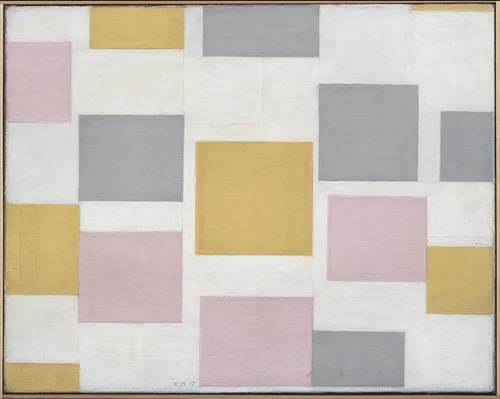
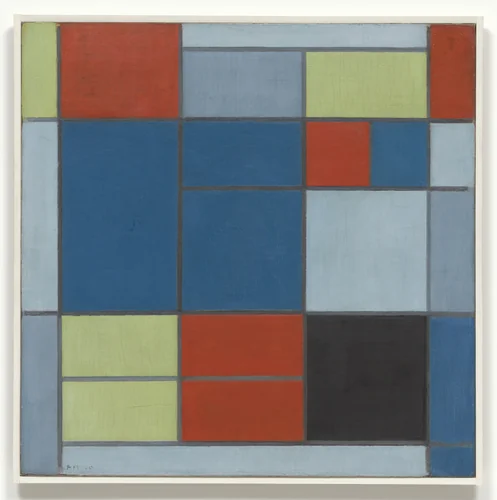
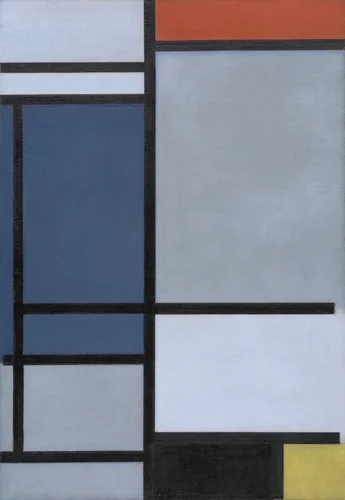
His investigations culminated in the foundation of the De Stijl (The Style) movement and the philosophy he termed Neoplasticism. Under this doctrine, Mondrian sought to express pure reality by limiting his pictorial means to the absolute essentials. His mature works restrict the artistic vocabulary exclusively to orthogonal relationships, using only horizontal and vertical lines, and the primary colors (red, blue, and yellow), augmented by the non-colors of black, white, and gray.
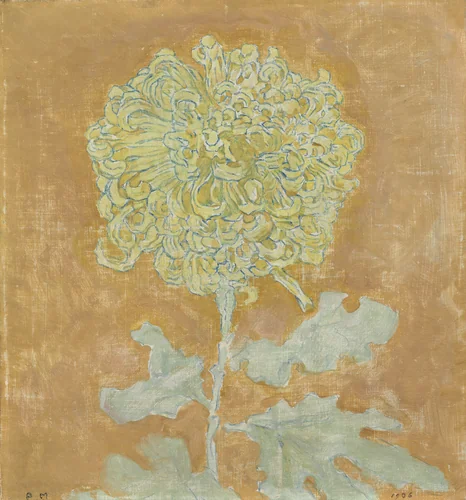
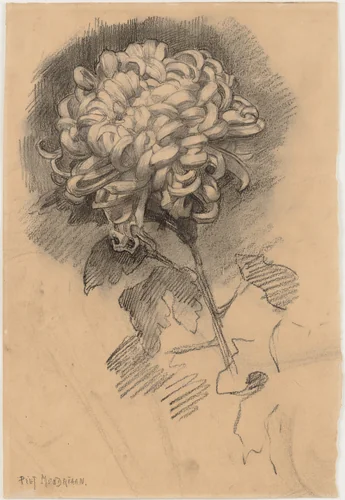
It is perhaps the greatest irony of Mondrian’s career that an artist so determined to eliminate the subjective and personal touch from his Piet Mondrian paintings achieved one of the most instantly recognizable and singular styles in the history of art. His geometric rigor was tremendously influential, extending beyond the easel into architecture, graphic design, and industrial aesthetics. Today, his radical achievements are conserved in major institutions like the Museum of Modern Art and the Art Institute of Chicago. The definitive clarity of his compositions means that while originals demand museum-quality care, certain works are highly suitable for high-quality prints and downloadable artwork within the public domain, ensuring that his vision remains accessible for contemporary study and appreciation.
Source: Wikipedia · CC BY-SA 4.0