Pierre Woeiriot
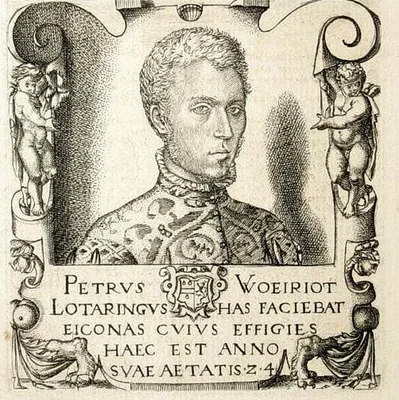
Pierre Woeiriot de Bouzey (1532–1596?) was a highly versatile French Renaissance artisan whose influence transcended a single medium. Primarily documented as an engraver, goldsmith, painter, sculptor, and medallist, Woeiriot specialized in translating complex ornamental motifs into reproducible designs for the luxury market. While his active professional life spanned several decades, the core of his seminal graphic output, focused overwhelmingly on pattern-book designs, falls intensely within the years 1530 to 1561.
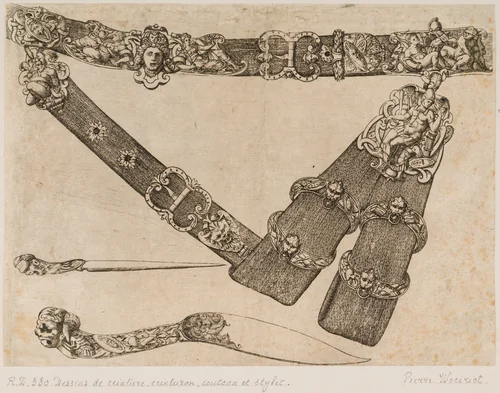
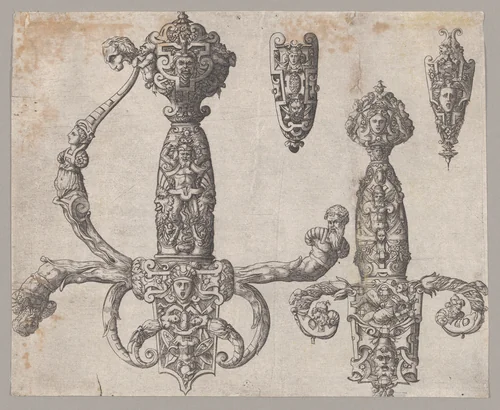
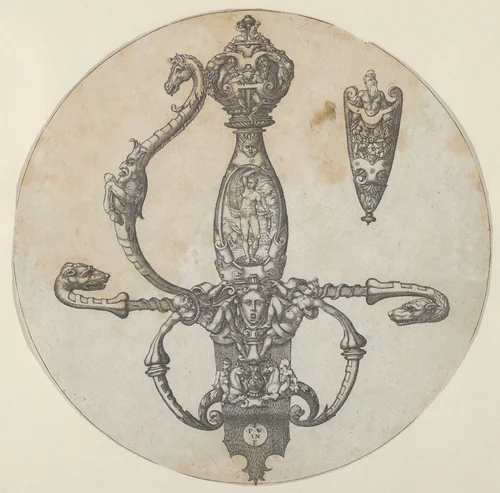
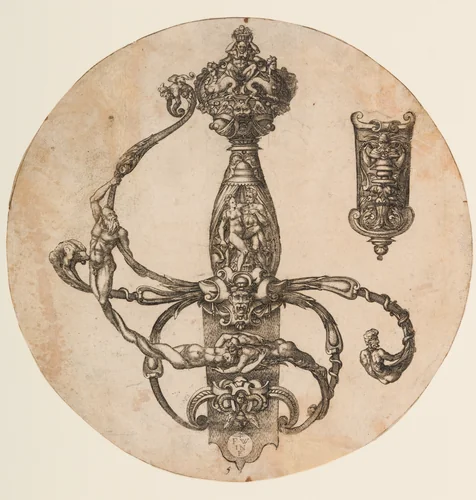
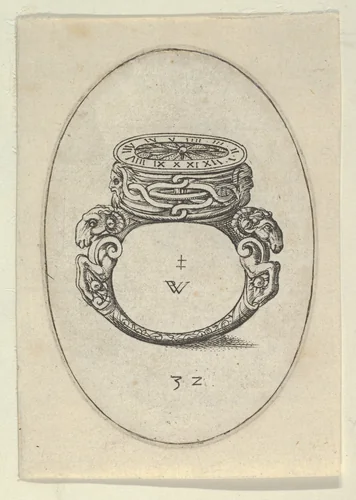
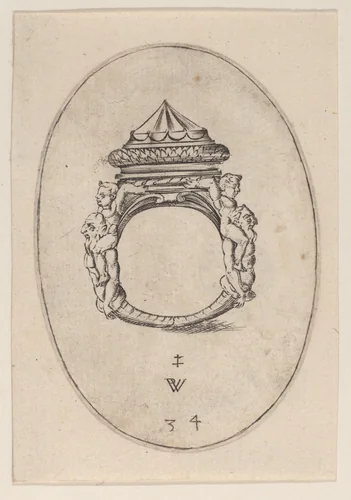
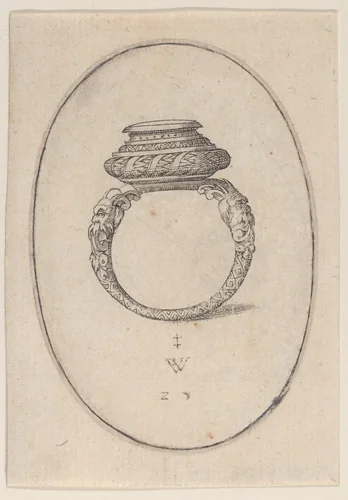
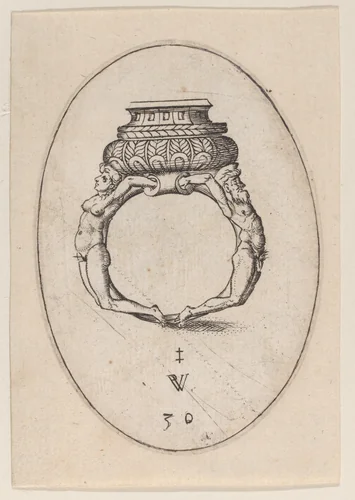
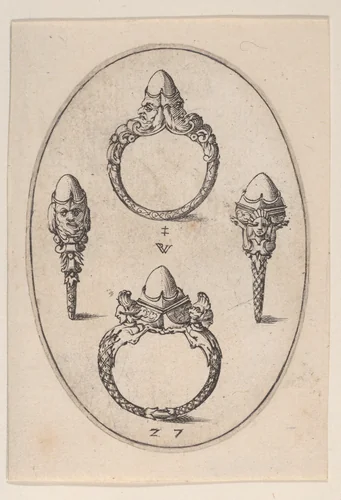
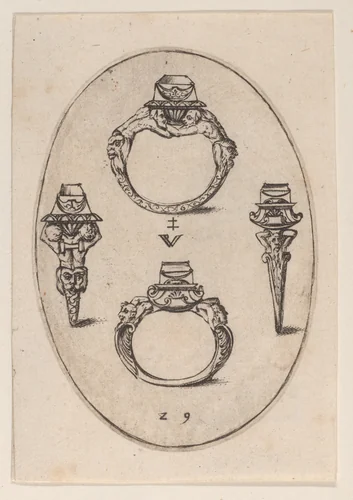
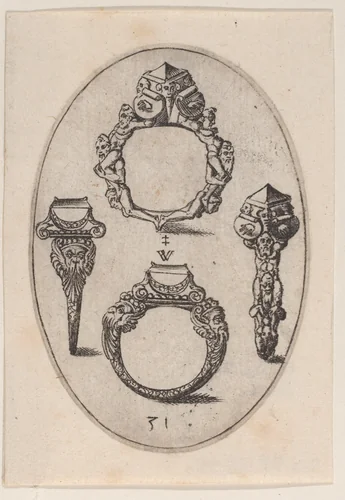
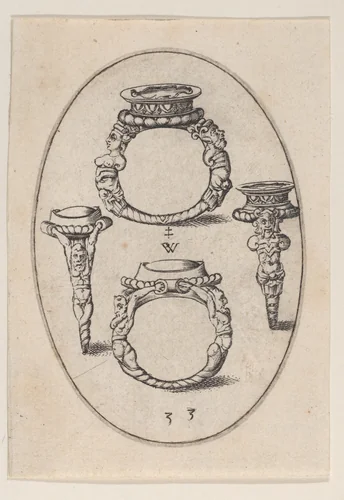
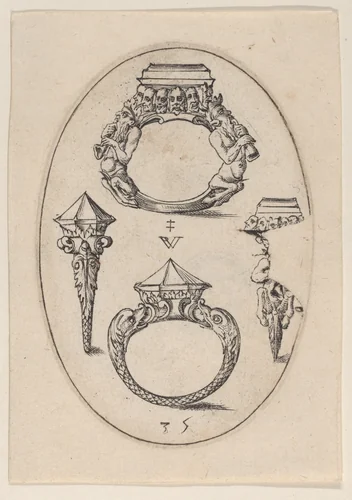
Woeiriot operated at the crucial intersection of industrial design and fine art. His most enduring legacy lies in his precise, highly technical engravings intended for fellow artisans, particularly those working in the demanding fields of jewelry and armor. Prints such as Design for a Rapier Hilt and Scabbard Chape and Design for a Sword-belt, Knife, and Stylus illustrate his sophisticated grasp of material form. These designs provided goldsmiths and armorers with exact templates for embellishing functional objects, elevating arms and accessories into high-status sculptural statements. His work displays the characteristic Renaissance fascination with strapwork, grotesque figures, and detailed cartouches, all rendered with a crisp clarity necessary for workshop application.
The nature of Woeiriot's work inherently required an exceptional degree of clarity and technical assurance. It is an interesting study in contrasts that such meticulous artistic ingenuity was frequently deployed in the service of weaponry, transforming instruments of potential violence into exquisite displays of wealth and craft. His detailed compositions ensured that Pierre Woeiriot prints were influential throughout the decorative arts centers of Europe.
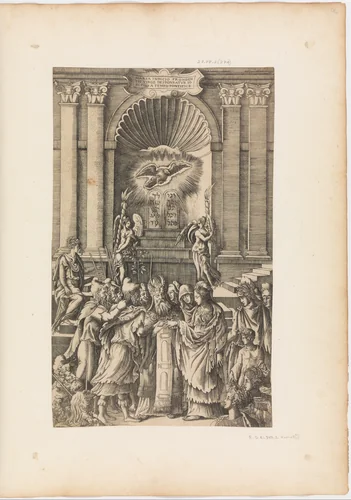
Though the majority of his output focused on ornamental pattern books, Woeiriot demonstrated breadth through occasional narrative engravings, including religious subjects like the Marriage of The Virgin. Today, the technical quality and historical significance of his work are carefully preserved in major collections, including the Metropolitan Museum of Art. Because many of Woeiriot’s foundational designs reside within the public domain, they continue to serve as invaluable resources. The availability of high-resolution, downloadable artwork confirms his ongoing relevance to scholars studying the meticulous visual vocabulary of the mid-sixteenth century.
Source: Wikipedia · CC BY-SA 4.0