Pierre Roche
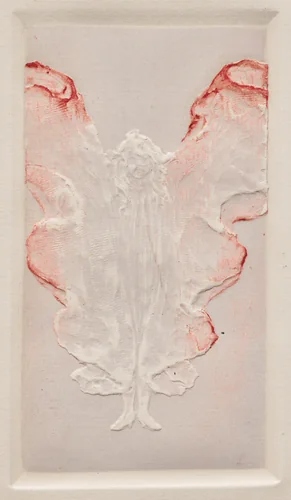
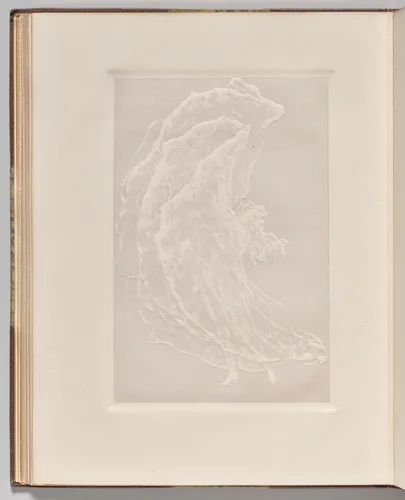
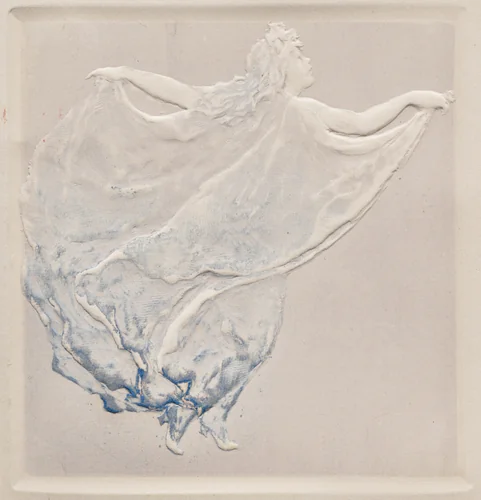
Pierre Roche (active 1855-1893) was a significant, though often historically understated, figure in late nineteenth-century European graphic arts. Working prolifically across four decades, Roche’s output centered primarily on printmaking, a medium experiencing both technological innovation and a major aesthetic revival during his career. His meticulous technique and evocative rendering secured his place in notable American institutional holdings, including the Cleveland Museum of Art and the National Gallery of Art.
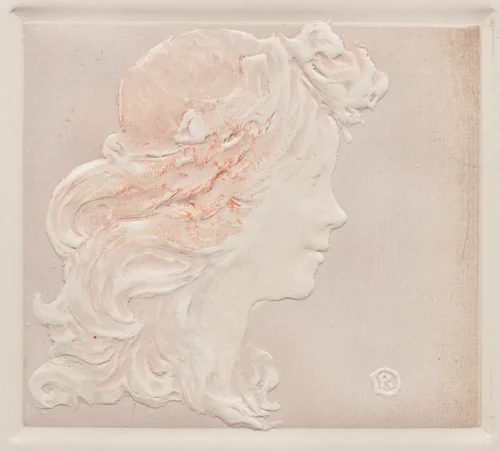
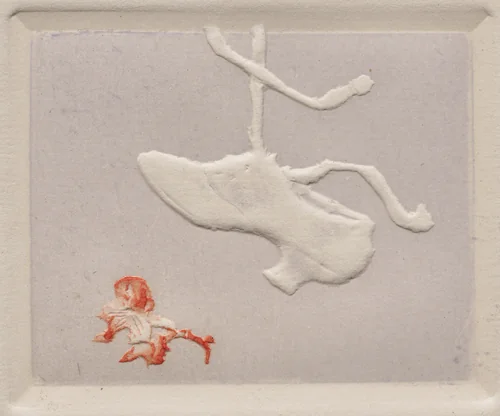
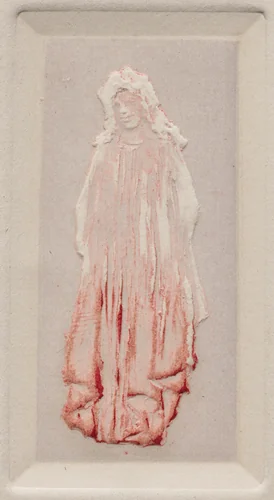
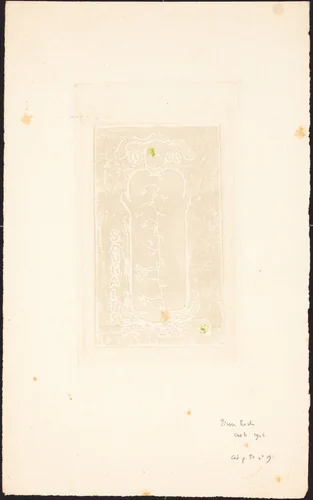
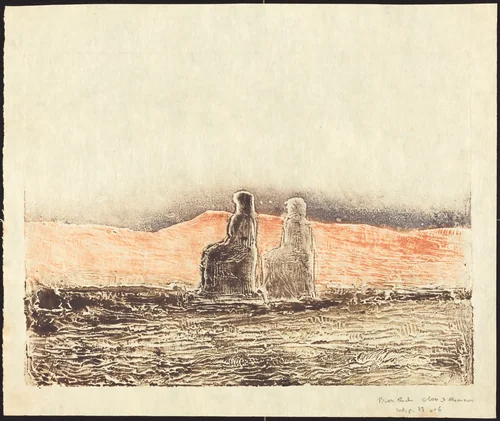
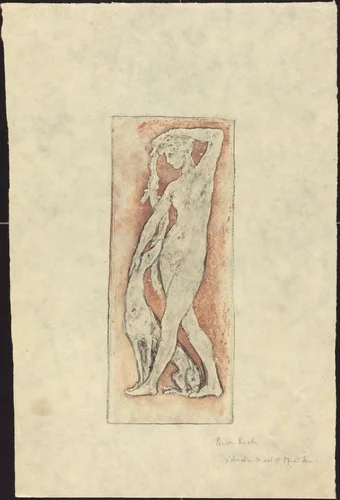
The surviving oeuvre comprises approximately fifteen documented works, demonstrating a highly specific focus on religious architecture and regional French iconography. The specific titles, such as Notre Dame du Folgoet (Our Lady of Folgoet) and the series featuring various figures like Saint Brieuc and Saint Geldas, reflect a late Victorian interest in medieval architectural preservation and the detailed depiction of historic sites. This dedicated practice places Roche firmly within the tradition of topographical printmakers who sought to document and elevate regional landmarks through the graphic arts.
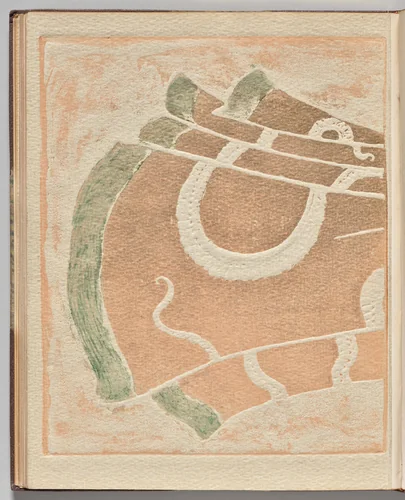
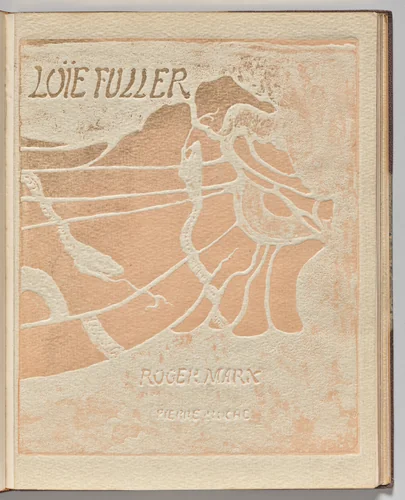
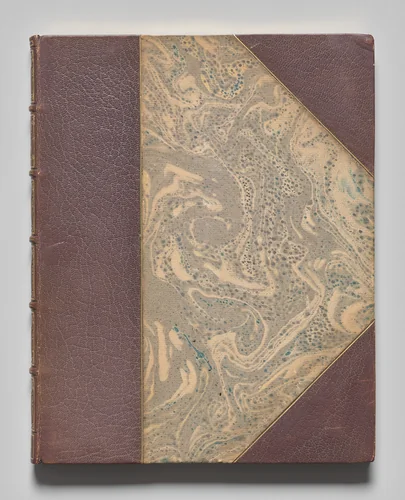
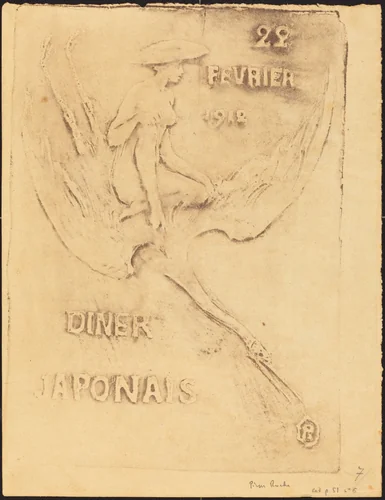
Operating during the crucial transitional period between the height of the Romantic movement and the emergence of Modernism, Roche maintained a rigorously traditional approach to etching and lithography. His technical precision often allowed his works to bridge the gap between documentary function and artistic expression, frequently appearing as illustrations in publications or architectural surveys. The inclusion of a piece titled Cover Design among his recognized works suggests he was acutely attuned to the growing commercial need for visually compelling book and publication presentation, a concern that characterizes the modern graphic design industry.
Today, while the name Pierre Roche may refer confusingly to the contemporary sculptor and the musician of the same name, the established corpus of graphic works dating from 1855 to 1893 establishes a distinct and focused artistic contribution. Many of his detailed prints have entered the public domain, making them available as free art prints for detailed study. The enduring presence of his detailed, museum-quality prints in major collections underscores their continuing technical relevance and historical value as records of the late nineteenth century.
Source: Wikipedia · CC BY-SA 4.0