Pierre Petit
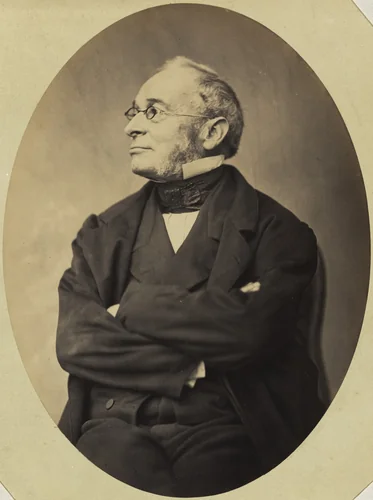
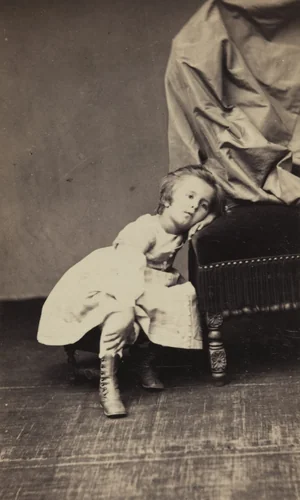
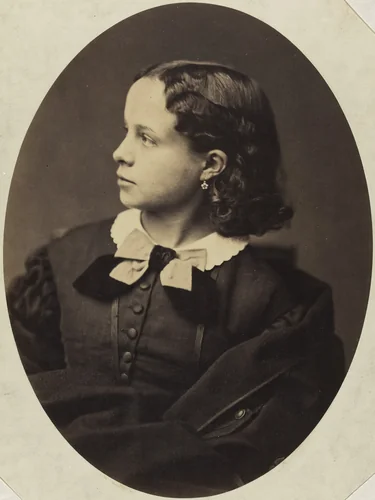
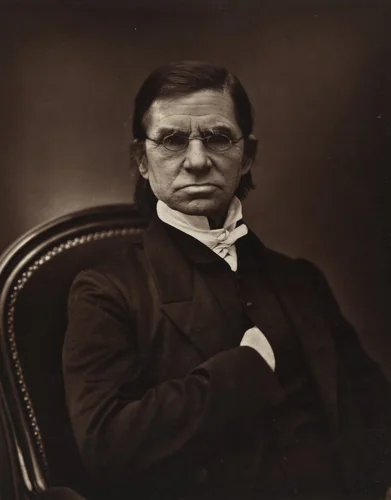
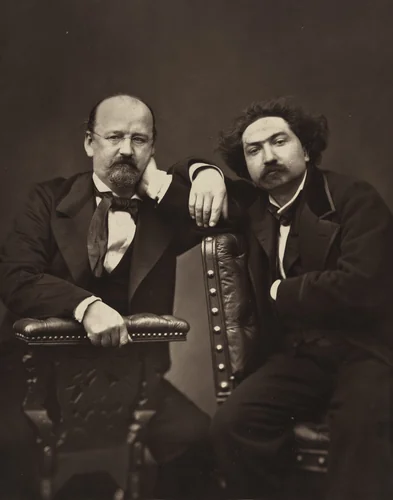
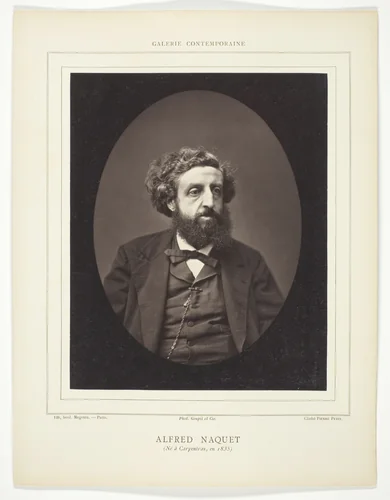
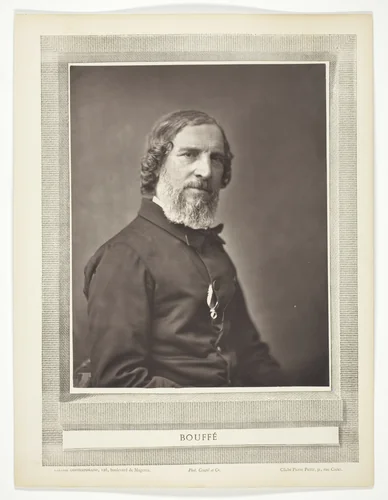
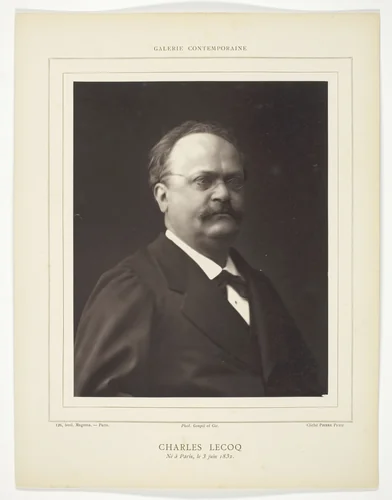
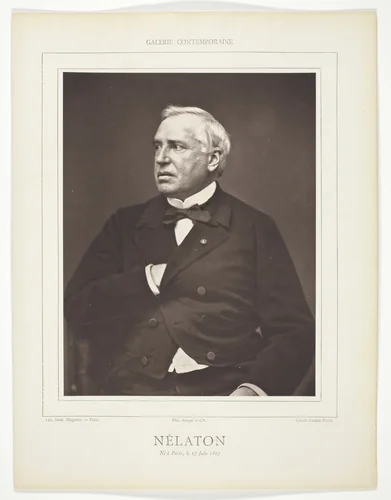
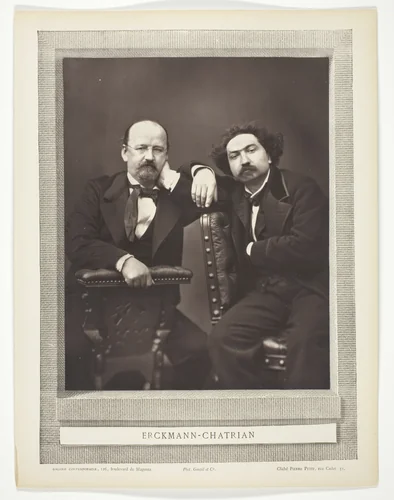
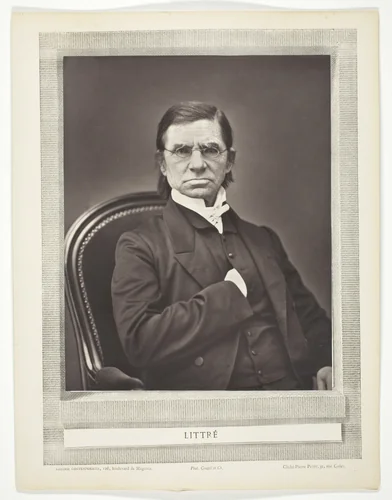
Pierre Petit (1832–1909) holds a distinguished position among the practitioners who defined Parisian studio photography during the mid-nineteenth century. Active throughout a significant period from 1850 to 1871, Petit dedicated his practice to documenting the intellectual and artistic elite of the Second Empire. His precise, highly controlled compositions transformed photographic portraiture from a functional novelty into a respected art form, characterized by its formal rigor and psychological depth. The lasting impact of his visual archive is affirmed by the inclusion of his works in major international collections, including the Metropolitan Museum of Art, the Museum of Modern Art, and the Art Institute of Chicago.
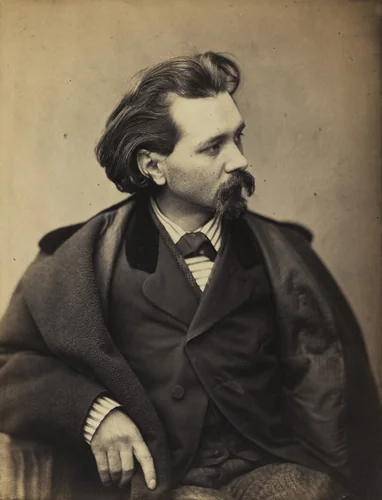
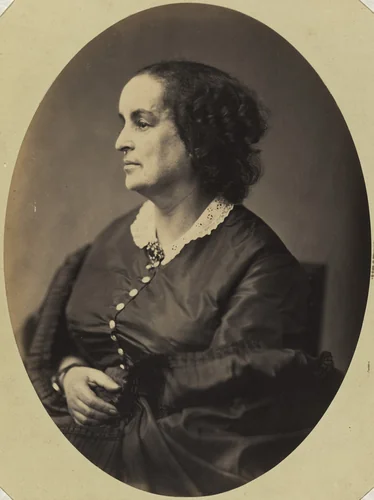
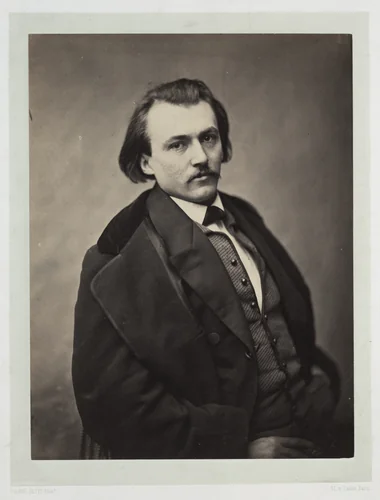
Petit’s lasting oeuvre is defined by the caliber of his sitters and his penetrating access to the era’s creative milieu. Rather than merely documenting physical features, Petit meticulously curated the environment, pose, and lighting to create visual statements of historical gravity. This technique is powerfully evident in seminal works such as Madame Victor Hugo and the striking, focused depiction of the illustrator Gustave Doré.
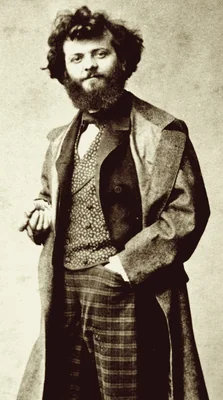
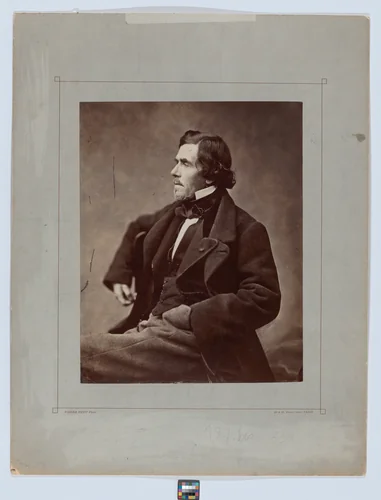
Perhaps the most compelling component of his output involves the extensive documentation of the Romantic painter Eugène Delacroix. Captured in multiple sittings, portraits like the definitive [Studio Portrait: Eugène Delacroix Seated in Chair] successfully translated the visual monumentality previously reserved for academic painting into the photographic medium, achieving a powerful stillness that transcends the technical limitations of early processing. Interestingly, while celebrated for capturing others, Petit also demonstrated a modern self-awareness regarding the photographer's role, evidenced by the intriguing meta-photograph, [Studio Portrait: Self-Portrait Standing by a Mirror].
Though his most active period concluded shortly after the fall of the Second Empire, Petit’s photographs remain an essential visual record of the era. He provided carefully constructed visual biographies that shaped the public memory of these celebrated figures. Today, many of his defining images have entered the public domain, ensuring widespread academic access. Consequently, museum-quality images and specific Pierre Petit prints are available globally, preserving his critical contribution to the history of high-quality prints and psychological portraiture.
Source: Wikipedia · CC BY-SA 4.0
![[Studio Portrait: Eugène Delacroix Seated in Chair] by Pierre Petit, photograph, 1850-1869](https://img.artbee.org/49085b07-b7a9-4883-a7d4-0ab96475a6f4/small.webp)
![[Studio Portrait: Self-Portrait Standing by a Mirror] by Pierre Petit, photograph, 1860-1869](https://img.artbee.org/e531f887-0862-47d6-a876-2500b11e57c8/small.webp)
![[Studio Portrait: Self-Portrait Wearing Plaid Pants and Overcoat] by Pierre Petit, photograph, 1860-1869](https://img.artbee.org/368e6ef1-ce74-40ae-9df4-b5dcd7fe8382/small.webp)