Pierre-Paul Prud'hon
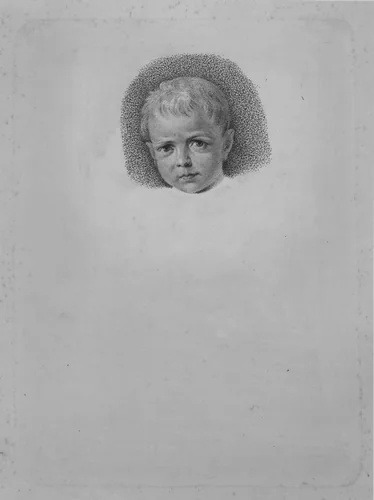
Pierre-Paul Prud'hon (1758-1823) stands as a distinct and influential figure within the French Neo-classicism movement, distinguishing himself equally as a painter of state commissions and an exceptional draughtsman. While renowned in his lifetime for ambitious allegorical canvases and high-profile portraiture, modern scholarship often centers on his extensive body of graphic work, which reveals a rare psychological intimacy and technical refinement. Prud’hon’s career successfully navigated the turbulent period of the French Revolution and the subsequent rise of the Napoleonic Empire, securing his position within the highest circles of patronage.
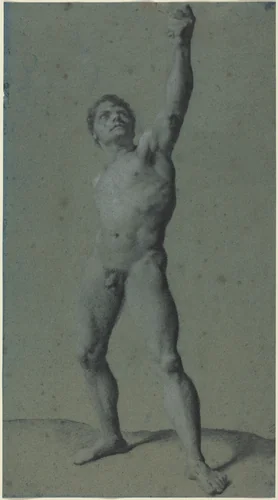
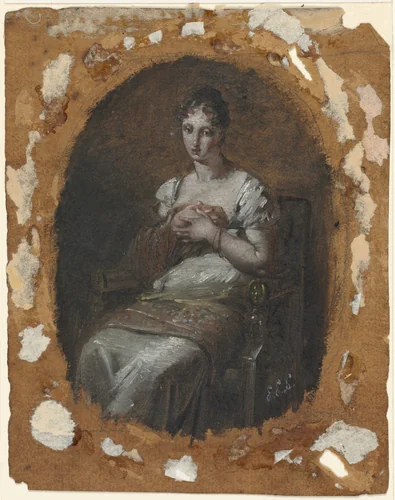
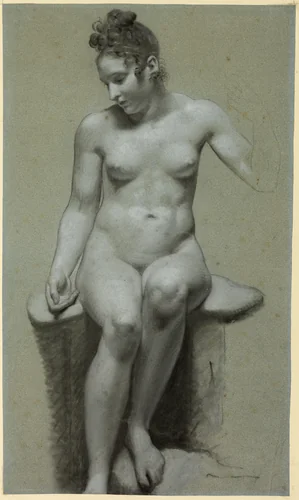
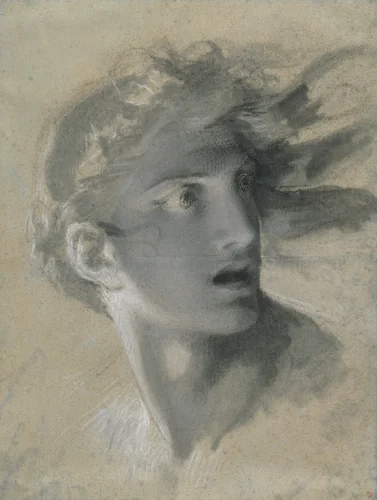
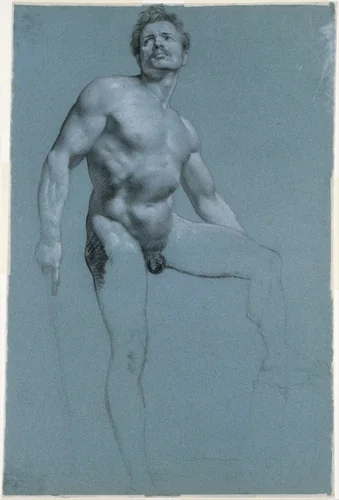
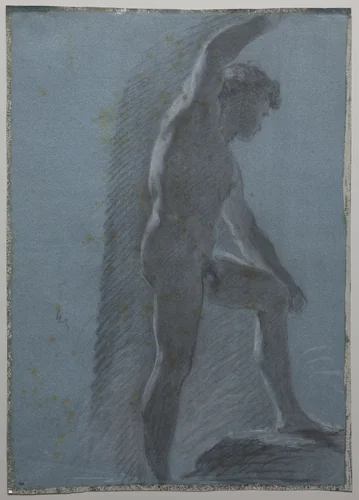
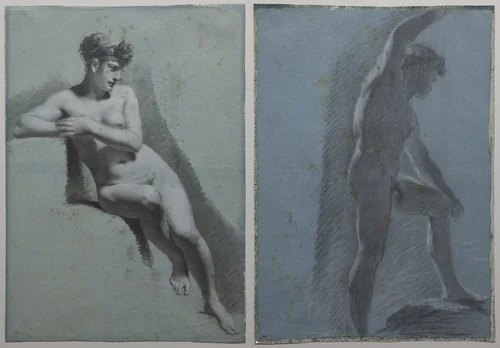
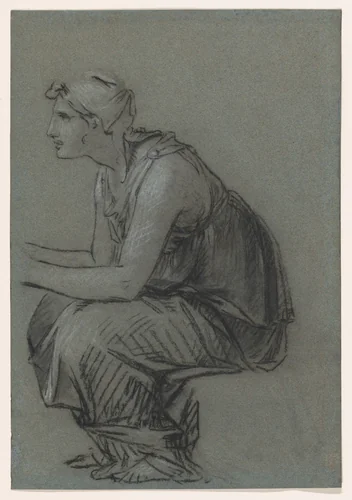
His artistic style, though firmly rooted in the classical idiom of his era, often incorporates sfumato effects and a subtle handling of light and shadow that recalls masters of the High Renaissance rather than the stark linearity typical of contemporaries like Jacques-Louis David. This softer, more atmospheric approach imparts an emotional depth to his figures, evident in both preparatory studies like Male Nude Study and more tender compositions such as Young Woman Seated.
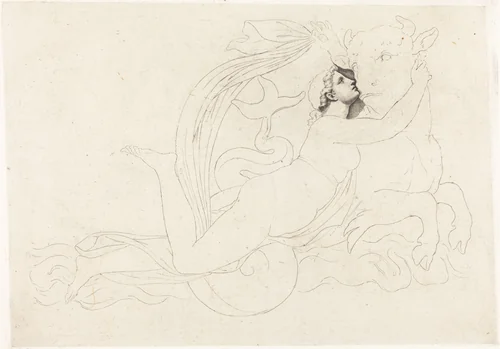
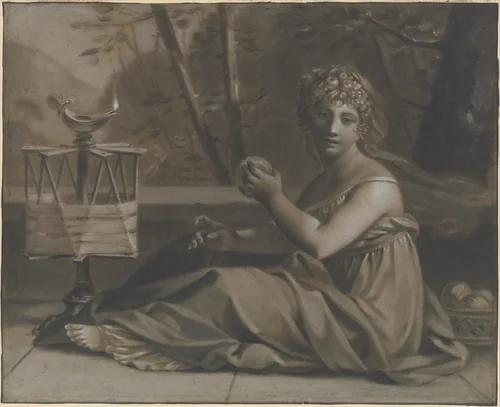
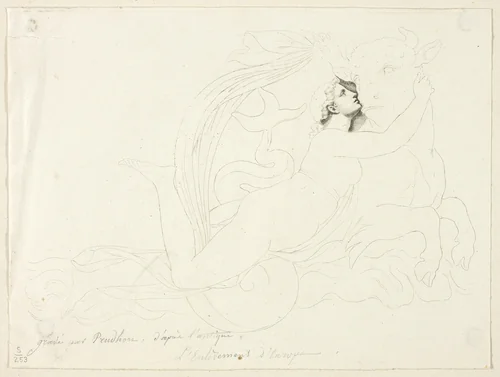
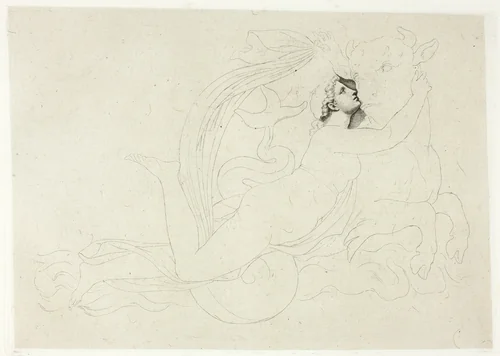
Prud'hon’s unique placement in the political landscape is underscored by an unusual professional distinction: he was commissioned to paint the official portraits of both of Napoleon Bonaparte’s wives, Empress Joséphine and Empress Marie Louise. This assignment placed him squarely at the nexus of power, using high-society portraiture to document the shifting dynastic identity of the era. His ability to fuse classical ideals with emotional sensitivity also found expression in mythological and allegorical pieces, including The Rape of Europa and Lachesis.
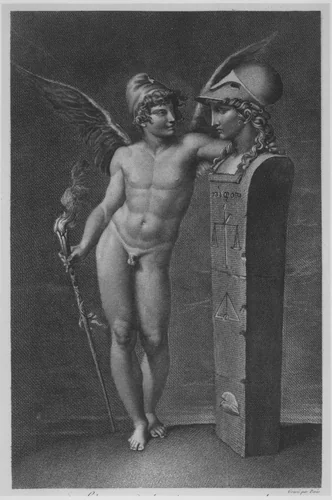
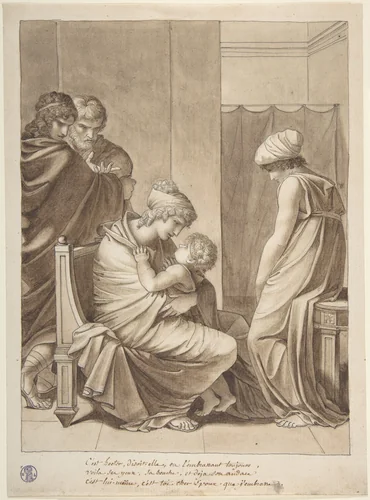
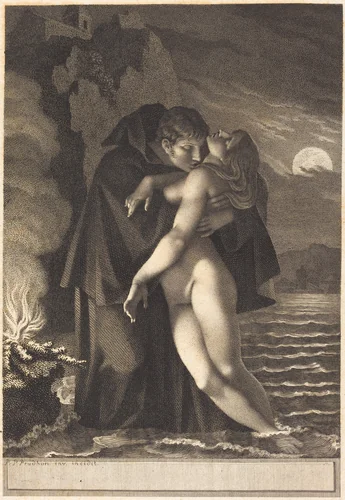
Though his extant paintings are highly prized, his reputation today rests primarily on his graphic legacy. Major global institutions, including the Art Institute of Chicago, the Metropolitan Museum of Art, and the Cleveland Museum of Art, actively collect his drawings and Pierre-Paul Prud'hon prints, preserving the delicate precision of his hand. Because many preparatory works have passed into the public domain, they are increasingly available globally as high-quality prints, ensuring that his refined draftsmanship remains accessible to scholars and collectors alike.
Source: Wikipedia · CC BY-SA 4.0