Pierre Parrocel
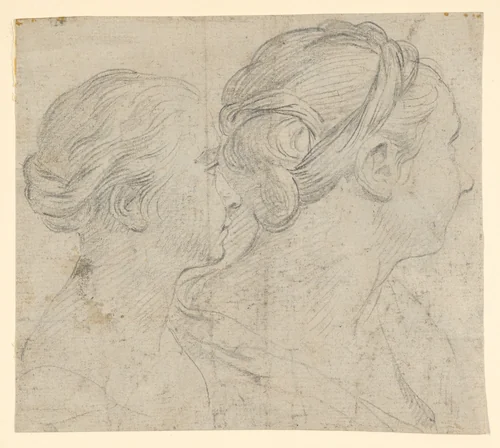
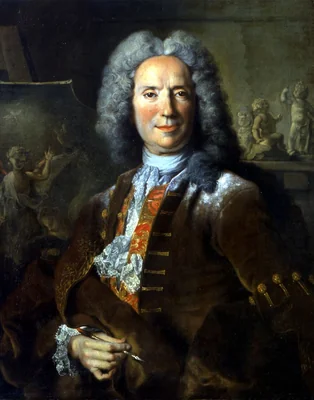
Pierre Parrocel (1664–1739) was a French painter whose career flourished during the late-Baroque period, primarily documented through his influential output in graphic arts. Although known historically as a painter, his enduring presence in major museum collections, including the Metropolitan Museum of Art and the Art Institute of Chicago, rests heavily upon his meticulously executed prints and drawings. These works provide crucial insight into the shifting artistic demands of the transition into the Rococo era.
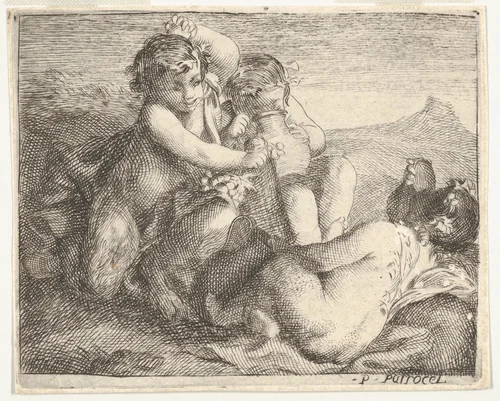
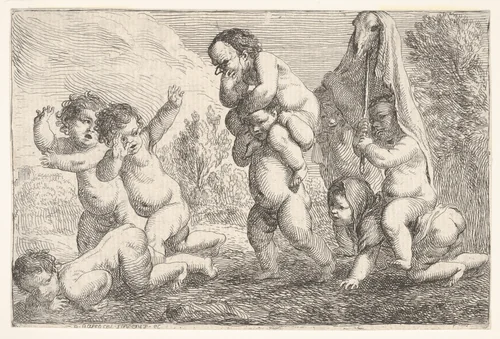
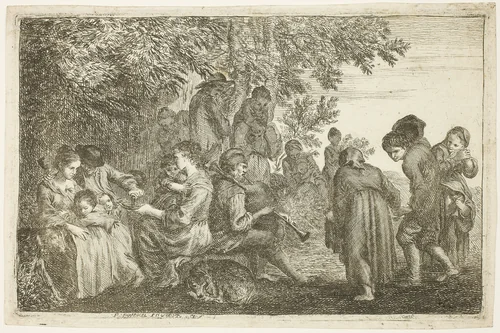
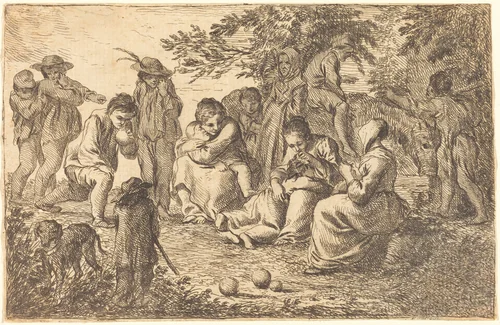
Parrocel’s subject matter demonstrates a keen versatility, moving comfortably between classical allusion and contemporary genre scenes. Examples such as the dynamic Bacchanal illustrate his mastery of Baroque movement and figural complexity, while compositions like Garden Party and Children's Game reveal an engagement with the lighter, more intimate social observations that would characterize the early eighteenth century. His prints often exhibit robust line work and precise detailing, suggesting they served either as finished commercial pieces or critical documents recording his larger painted compositions.
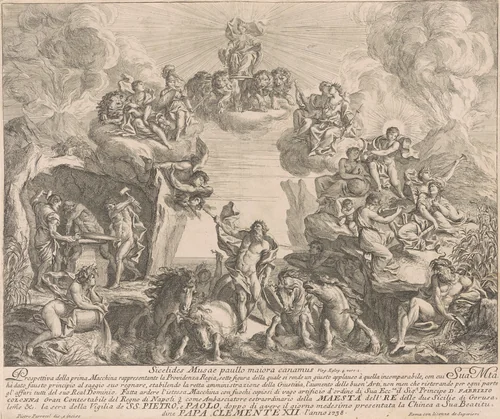
Perhaps the most specialized and fascinating aspects of Parrocel’s oeuvre are his documentary views of ephemeral architecture. Chief among these is The Prima Macchina for the Chinea of 1738: Allegory of Regal Providence. The Macchina della Chinea was an elaborate, temporary scaffolding constructed annually in Rome for the presentation of the papal tribute. Parrocel was tasked with capturing this immense, temporary spectacle, documenting a monumental work of art and engineering destined for immediate dismantling. Recording such fleeting magnificence requires a profound blend of technical accuracy and dramatic staging, confirming Parrocel's role not merely as an artist but as a specialized visual chronicler of courtly performance.
Today, Parrocel's contributions to late-Baroque printmaking are widely accessible. Because many of his graphic works, including the complex designs for the Chinea, are now securely within the public domain, scholars and enthusiasts can readily obtain downloadable artwork and high-quality prints for study. His legacy, preserved through these museum-quality prints, ensures his standing as an important transitional figure in the history of French art.
Source: Wikipedia · CC BY-SA 4.0