Pierre-Michel Alix
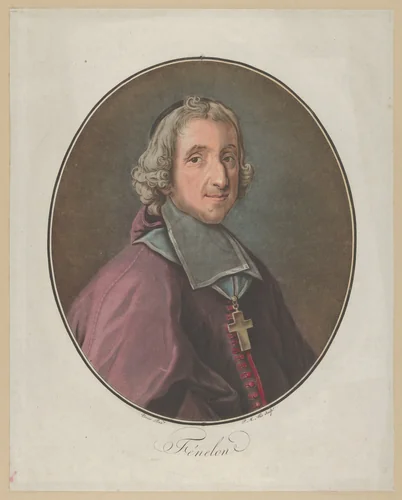
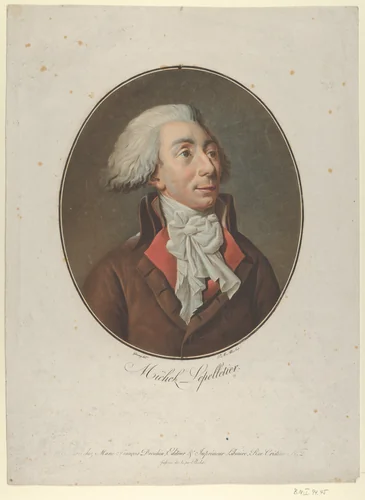
Pierre-Michel Alix, active during the crucial period between 1780 and 1794, was a significant French engraver whose career mirrored the radical political transformations of the French Revolution. His technical precision, honed during his studies under the esteemed master Jacques-Philippe Le Bas, allowed him to quickly document the shifting cast of political and intellectual figures who defined the new Republic.
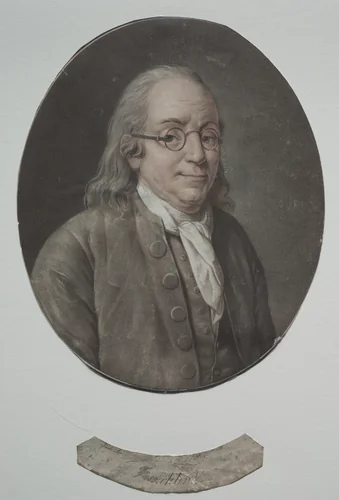
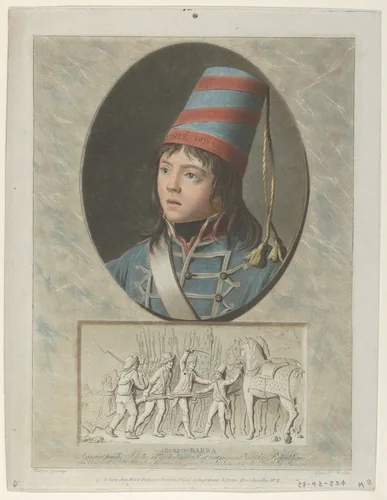
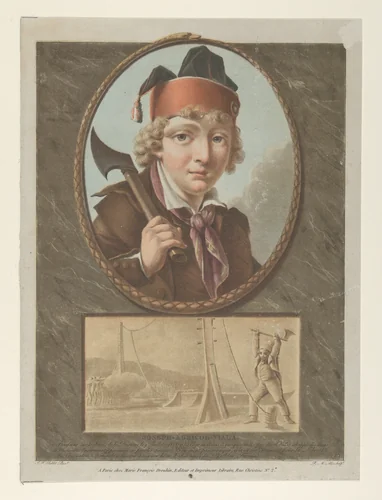
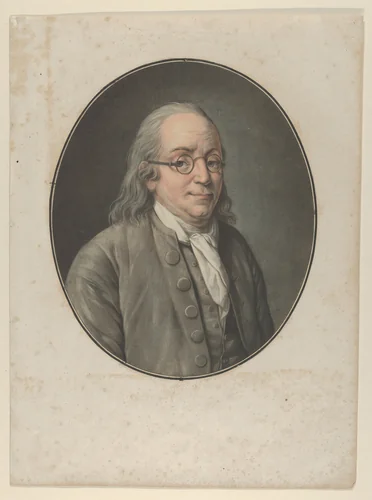
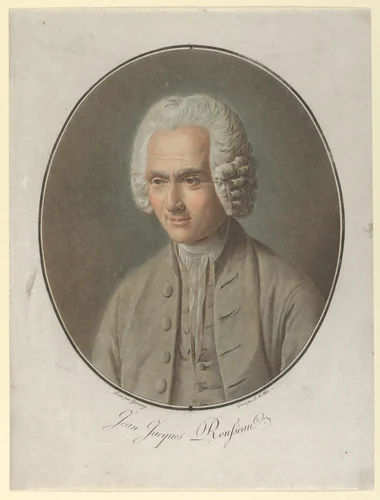
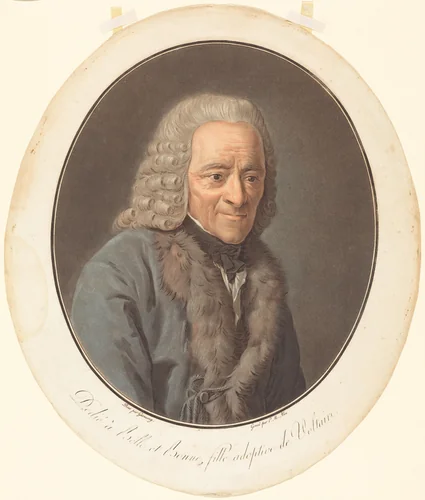
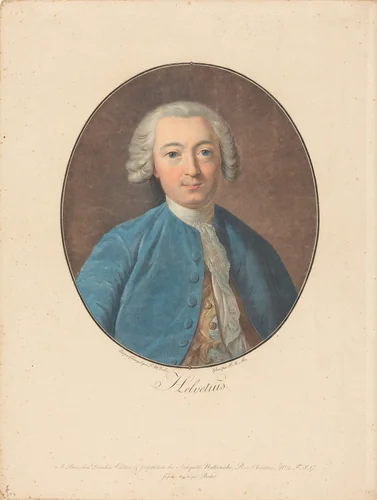
Alix specialized in portraits, a genre that held immense cultural and political power during the 1790s. As the monarchy fell and public opinion became the dominant force, there was an insatiable, widespread demand for visual representations of national heroes, philosophers, and martyrs. Alix met this demand by producing a range of compelling likenesses, including prints depicting American diplomatic icon Benjamin Franklin and the celebrated philosopher Jean de La Fontaine. His catalogue further includes specific revolutionary figures, such as the widely circulated image of the young republican martyr Joseph Barra, engraved after F. Garnerey. The speed and quality of his output helped cement the public image of these figures, acting as highly effective visual propaganda.
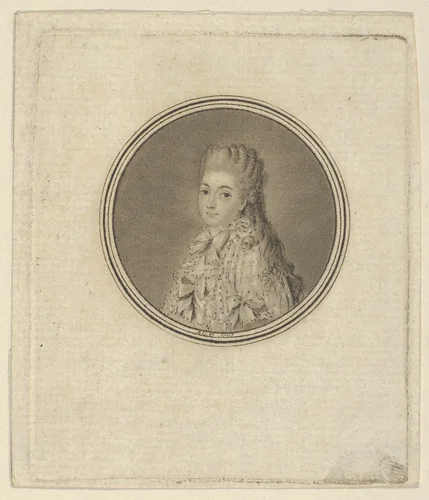
The brief duration of his recorded activity suggests an intense output during the height of the Terror and its immediate aftermath. Interestingly, his subjects ranged across the ideological spectrum, including Anne de Chaumont-Guitry, Comtesse d'Amblimont, documenting figures of the former nobility even as the political climate grew increasingly hostile to the aristocracy. This agility in subject matter provides a fascinating insight into the pragmatic necessities of an artist navigating a period where fame, often granted through a commissioned portrait, occasionally preceded execution.
Today, Alix’s high-quality prints serve as invaluable primary sources for understanding the visual culture of the early Republic. The enduring significance of his work is demonstrated by its inclusion in major international collections, including the National Gallery of Art, the Metropolitan Museum of Art, and the Art Institute of Chicago, alongside foundational French holdings in the Bibliothèque nationale de France and the Louvre’s Cabinet des estampes. Since many of these historical Alix prints have entered the public domain, they remain a widely accessible and essential resource for scholars worldwide.
Source: Wikipedia · CC BY-SA 4.0