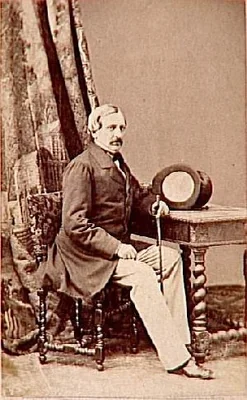
Pierre-Louis Pierson
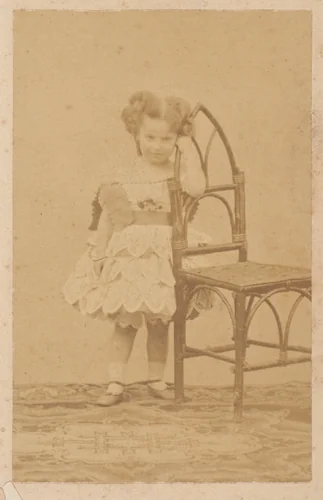
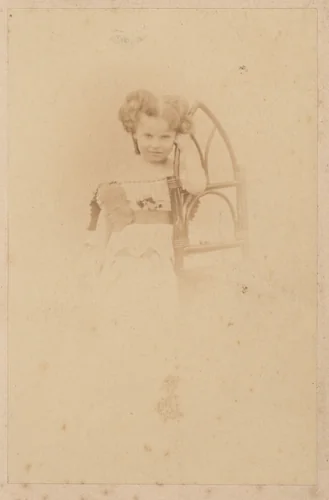
Pierre-Louis Pierson (b. 1822) holds a unique, pivotal position within the study of mid-nineteenth century French photography. Active primarily around 1855, this highly sought-after portrait photographer captured the formal elegance and complex social structures of the Second French Empire. Though his known output is numerically modest, comprising approximately fourteen documented photographs and one published book, the visual and historical significance of his work remains substantial, securing his representation in major institutional collections such as the Metropolitan Museum of Art. These original prints, preserved with museum-quality care, provide critical documentation of the era's aristocracy.
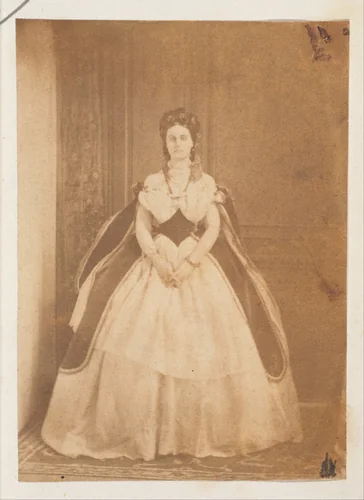
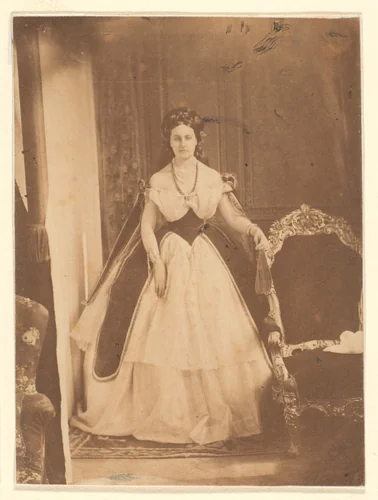
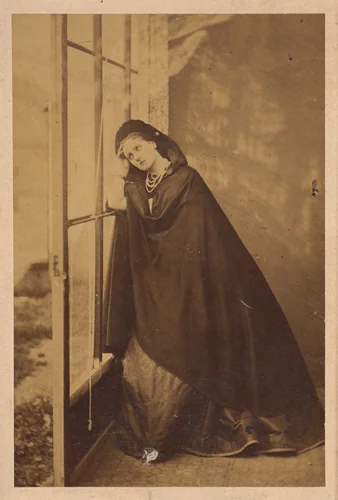
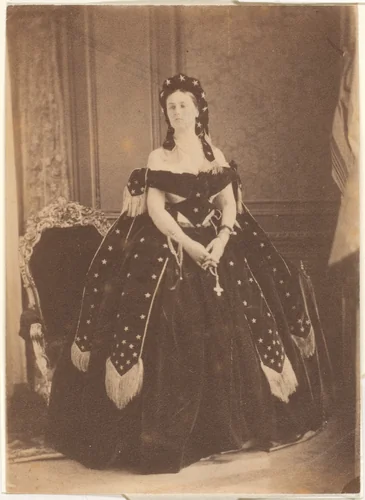
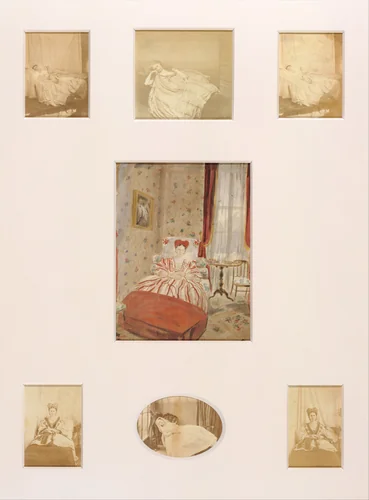
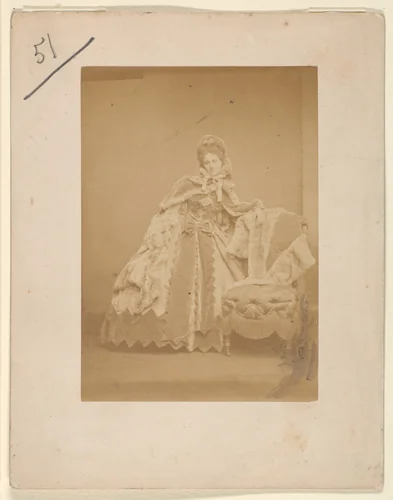
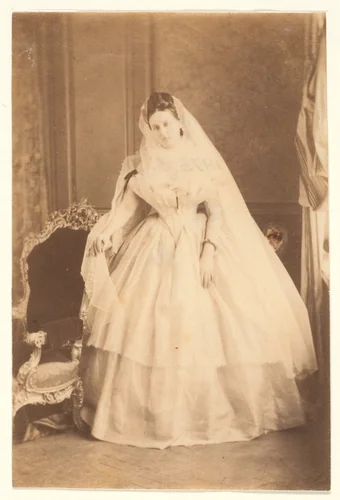
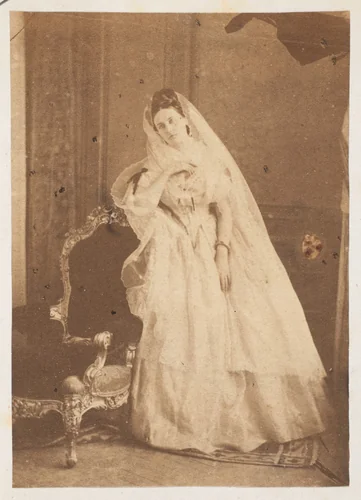
Pierson’s enduring artistic legacy is intrinsically defined by his decade-long collaboration with Virginia Oldoini, the notorious Italian noblewoman known as the Countess de Castiglione. This partnership transcended the bounds of conventional society portraiture. The Countess, famed for her beauty and powerful personal influence, utilized Pierson’s lens not merely for documentation but as a stage for elaborate, self-directed performances. Works such as Countess de Castiglione as Anne Boleyn and Countess de Castiglione as the Queen of Etruria illustrate a radical departure from standardized studio practice, presenting meticulously staged costume dramas that prefigure modern conceptual portraiture. Pierson, in this context, often functioned less as the sole artistic auteur and more as the technically masterful recorder of the Countess’s singular, obsessive vision.
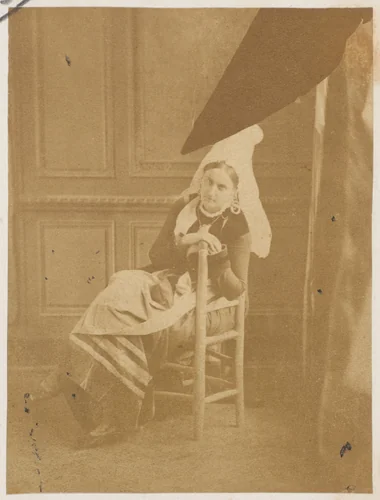
While the dramatic Castiglione images define his signature artistic profile, Pierson also documented other high-ranking figures of the court. His portfolio includes insightful pieces like Anna Murat and Unknown Sitters and Comtesse Walewska and Princesse Jaochim Murat. Furthermore, comprehensive body of work, including the historical documentation compiled in the Duc de Morny Album, provides invaluable insight into the social hierarchy and visual culture surrounding Napoleon III’s regime. Since many of these historic images are now in the public domain, they have become highly accessible to a new generation of researchers. The availability of high-quality prints allows for close study of Pierson’s distinctive treatment of light and form, confirming his status as an essential, if sometimes overshadowed, figure in 19th-century portrait history.
Source: Wikipedia · CC BY-SA 4.0
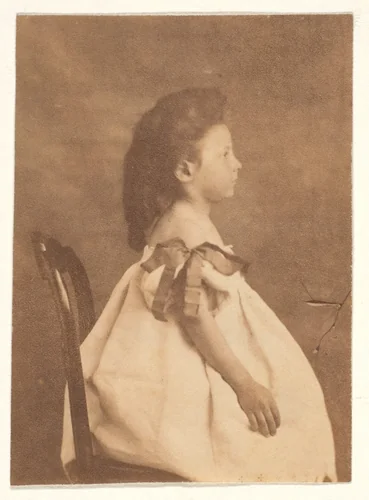
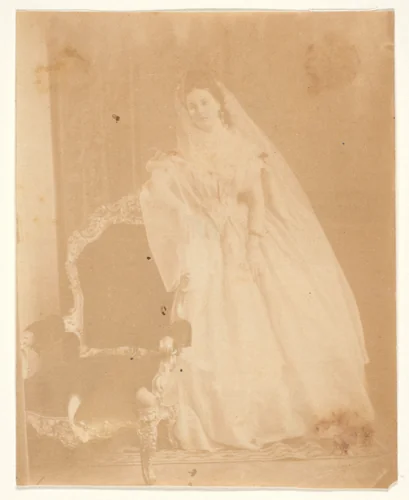
![[Portrait in a White Dress] by Pierre-Louis Pierson, photograph, 1856-1866](https://img.artbee.org/34f4e425-c20a-4bd5-9b13-cd11d92d4af6/small.webp)
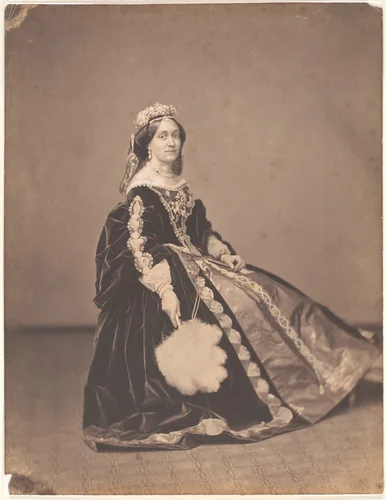
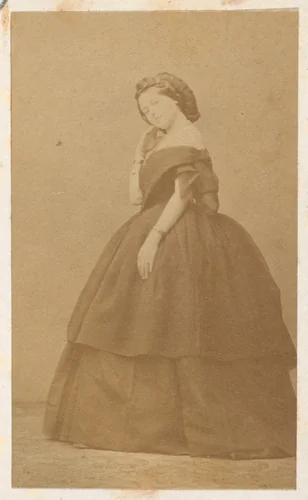
![[Countess de Castiglione] by Pierre-Louis Pierson, photograph, 1858](https://img.artbee.org/c07e97a0-1e2e-4125-bef3-12f2b698a8be/small.webp)
![[Profile with Chignon, Large] by Pierre-Louis Pierson, photograph, 1859](https://img.artbee.org/3f996d6a-8028-4f55-be93-124635132262/small.webp)