Pierre Lombard
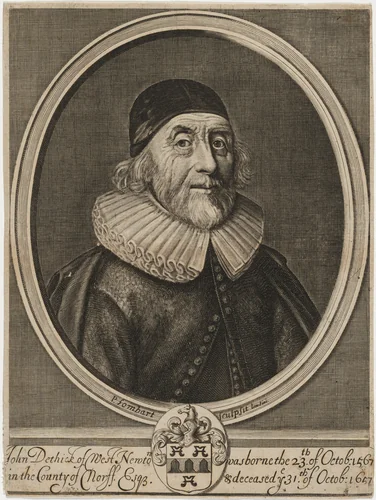
Pierre Lombard (active 1612-1660) occupies an important, if sometimes overlooked, position among the 17th-century portrait engravers whose careers flourished primarily in London. Although originally a French national, Lombard established a robust and demanding practice in the British capital, specializing in the production of reproductive prints and detailed likenesses of distinguished political and intellectual figures. His active period spanned the turbulent decades leading up to and following the English Civil War, meaning his works often serve as rare contemporary documents of high-profile individuals navigating a period of intense social and religious change.
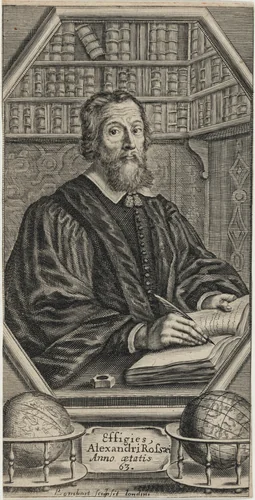
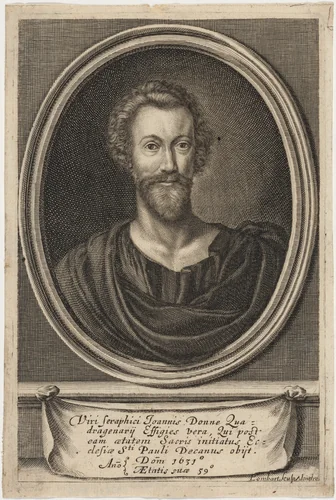
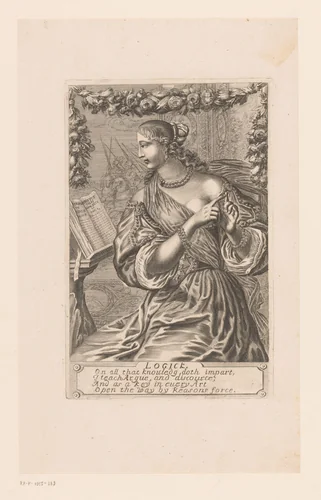
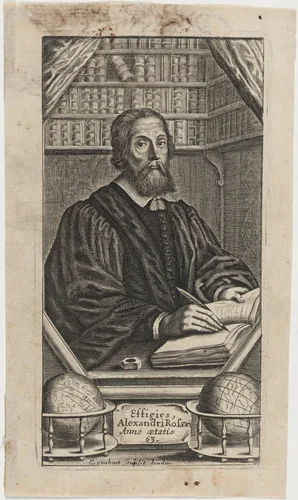
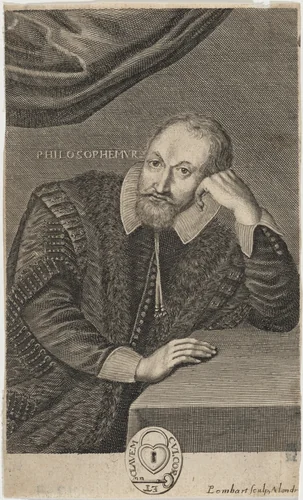
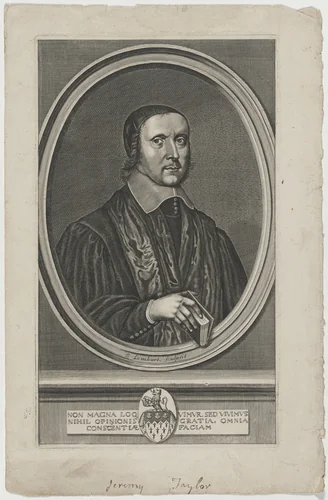
Lombard’s oeuvre, comprised mainly of copperplate engravings, showcases a technical mastery rooted in the French tradition. The clarity and precision of his line work allowed him to achieve a sense of character depth often lacking in high-volume commercial print production of the era. He provided lasting visual records of major personalities, ranging from court clergy to noted authors and dignitaries. Catalog entries confirm the breadth and importance of his subjects, including the definitive portrait of John Donne, Poet, and the formal study of Alexander, Chaplain to Charles I, Author. His repertoire extended beyond simple portraiture, as evidenced by the intriguing allegory, Personificatie van de logica (Personification of Logic).
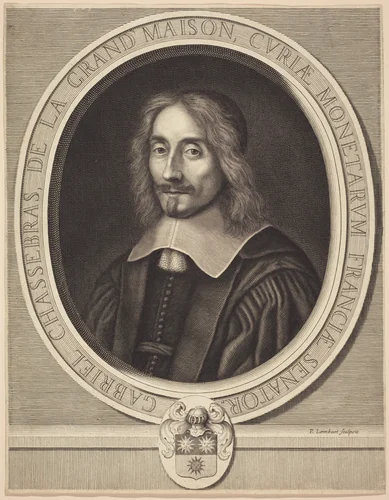
The artist's output, encompassing at least ten known prints, remains a key visual resource for seventeenth-century iconography. Today, the enduring relevance of his technical skill is confirmed by the works held in major international institutions, cementing their museum-quality status; the National Gallery of Art and the Rijksmuseum both maintain exemplary collections of his prints. It is perhaps an understated observation about the demands of the print market that Lombard, an artist largely tasked with reproducing existing paintings or likenesses, was frequently called upon to document figures both highly famous and relatively obscure, such as Gabriel Chassebras de la Grand'Maison. These valuable historical records, now generally accepted as being in the public domain, are essential references for those seeking high-quality prints that capture the intellectual milieu of Stuart England.