Pierre Joseph Redouté
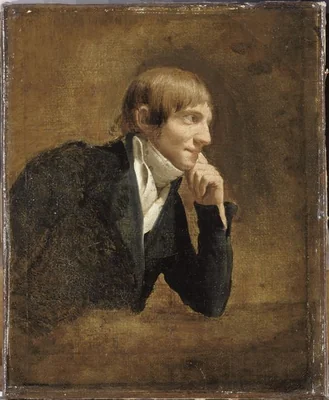
Pierre-Joseph Redouté (1759-1838), hailing from the Austrian Netherlands, established himself as the preeminent botanical illustrator of the late eighteenth and early nineteenth centuries. Nicknamed "the Raphael of flowers," his rigorous scientific accuracy combined with an undeniable painterly elegance secured his reputation as arguably the greatest master of the genre in history. His significance lies in the confluence of art and natural science, where observation was elevated to an art form highly valued by both scientific academies and aristocratic courts.
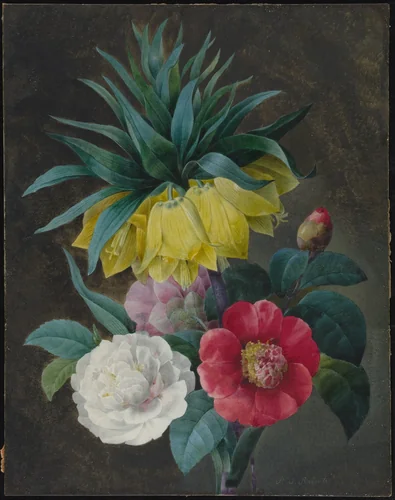
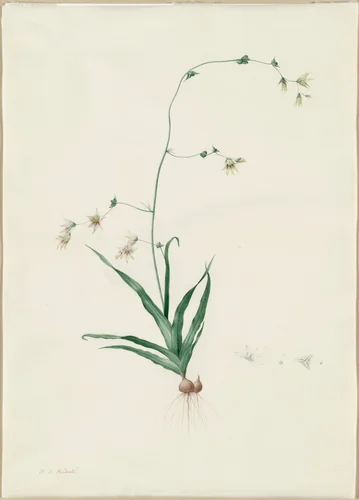
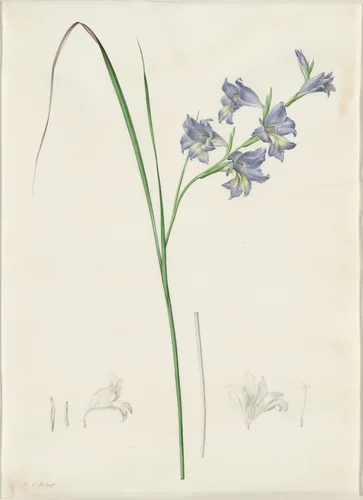
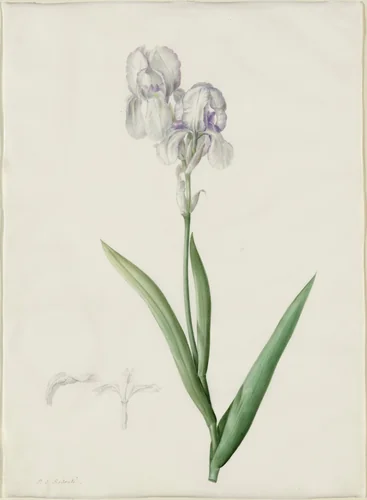
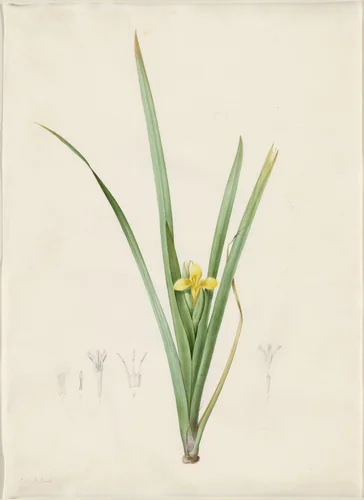
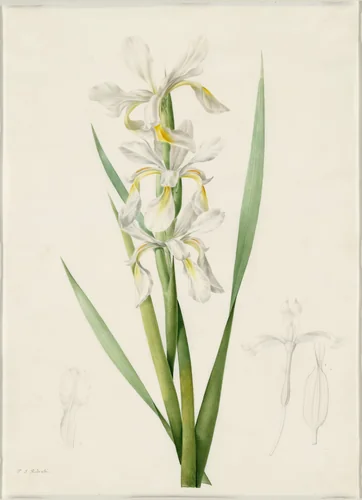
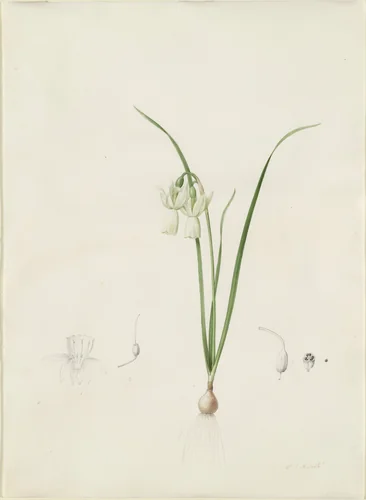
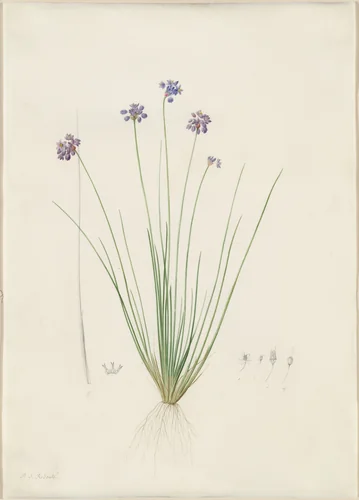
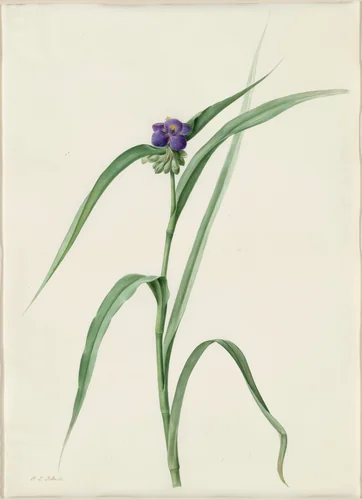
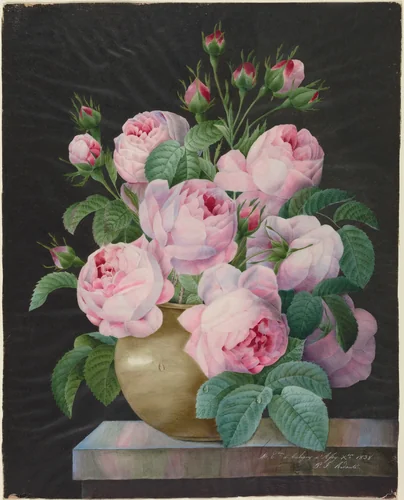
Redouté’s prodigious career spanned revolutionary upheaval, yet he consistently maintained high-level royal and imperial patronage, a subtle testament to the universal and apolitical appeal of pure scientific beauty. His primary focus was the extensive flora collection cultivated by Empress Joséphine Bonaparte at the Château de Malmaison. Here, he produced countless exquisite watercolors, particularly of roses, lilies, and exotic species, such as the studies preserved today like Iris Swertii and Gladiolus ringens.
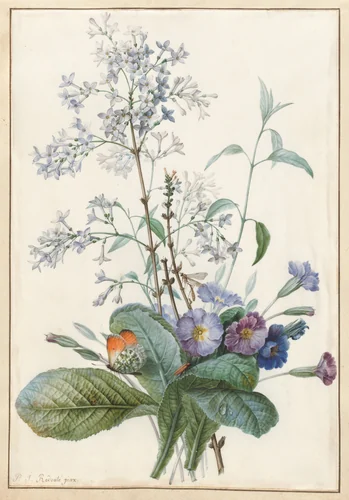
Crucially, Redouté oversaw the publication of these delicate studies as large colored stipple engravings. This technical mastery was groundbreaking, allowing for subtle gradations of tone and color that ensured his published volumes, including his celebrated work on roses, achieved an unprecedented level of verisimilitude. Unlike earlier illustrators, Redouté’s process allowed for highly accurate and detailed depictions, giving works like A Bouquet of Flowers with Insects the necessary fidelity for serious botanical identification while maintaining the aesthetic appeal of fine art.
The legacy of Pierre Joseph Redouté paintings remains the definitive reference point for high-quality botanical illustration. Today, the precision and detail of Pierre Joseph Redouté prints continue to appeal to collectors and researchers globally. Since much of his extensive corpus is now in the public domain, these museum-quality images are widely accessible as downloadable artwork, ensuring that the work of the "Raphael of flowers" continues to inspire artists and scientists across generations.
Source: Wikipedia · CC BY-SA 4.0