Pierre-Joseph Redouté
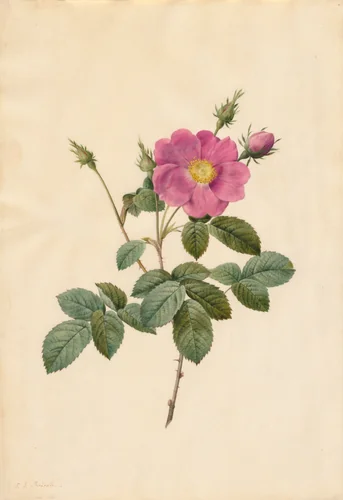
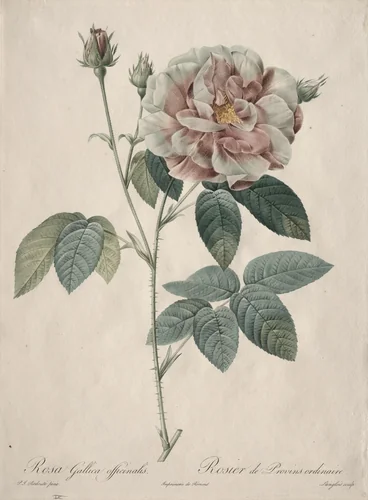
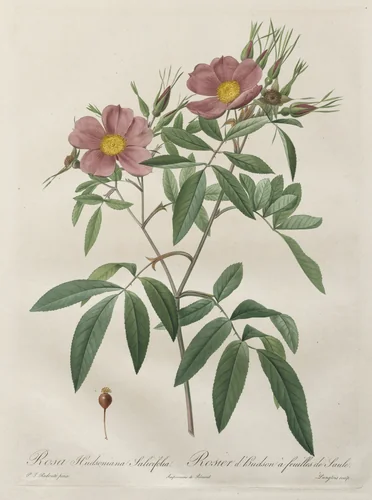
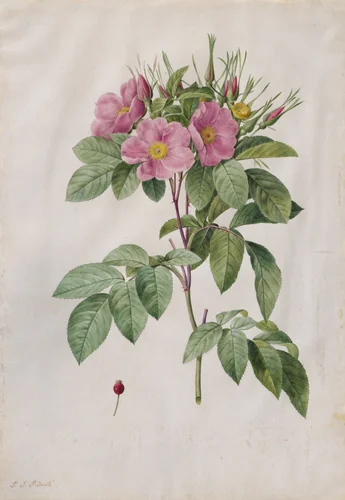
Pierre-Joseph Redouté (1770-1817) stands as the singular defining figure of botanical illustration at the turn of the nineteenth century. Hailing from the Austrian Netherlands, his meticulous fusion of artistic grace and scientific accuracy earned him the sustained title of "the Raphael of flowers," cementing his status as perhaps the greatest botanical illustrator of all time. Redouté transcended the functional demands of scientific drawing, elevating the floral portrait to a fine art suitable for both royal consumption and scholarly documentation. His career spanned the most tumultuous era in European political history, yet he retained patronage across shifting French regimes, illustrating the enduring power of precision and beauty over fleeting political allegiance.
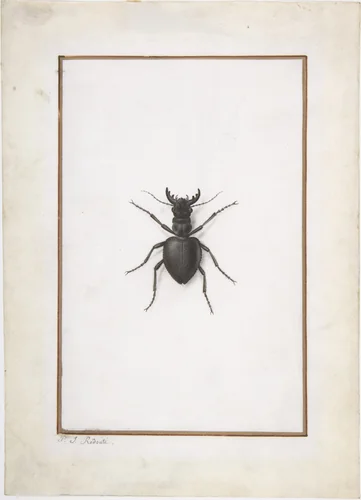
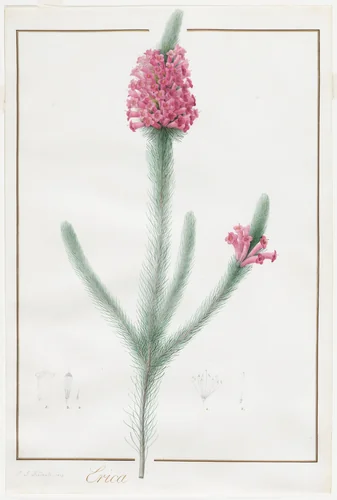
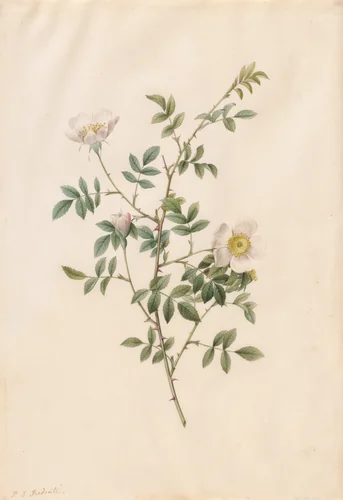
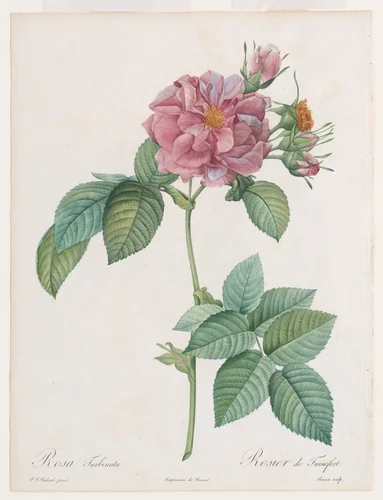
Redouté’s renown was cemented by his appointment at the Château de Malmaison, the private residence of Empress Joséphine Bonaparte. Tasked with documenting her extraordinary gardens, the artist produced hundreds of precise watercolors of roses, lilies, and rare exotic species. Crucially, Redouté perfected the technical application of stipple engraving, a demanding copperplate method that allowed for subtle tonal variation and the faithful translation of the watercolor medium into large, colored folio plates. This innovation gave his large-scale publications an unparalleled realism and luminosity, ensuring his works were viewed as both scientific records and aesthetic objects. While his observational drawings, such as A Stag Beetle, demonstrate his versatility, his massive publication projects remain his lasting contribution.
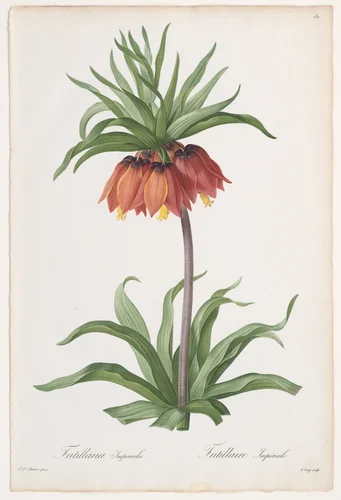
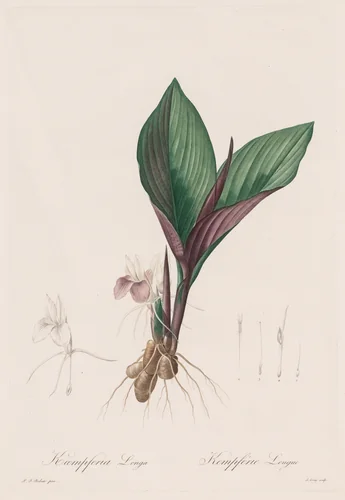
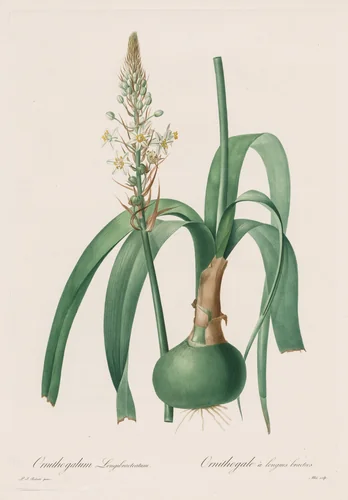
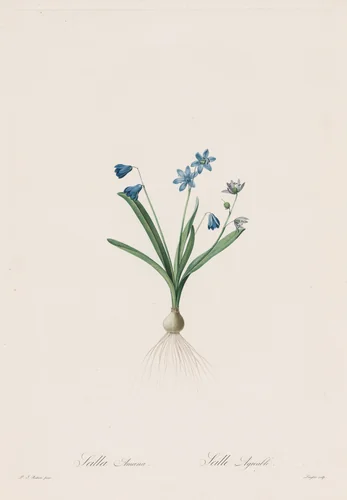
His monumental undertaking, Les Liliacées (1802-1816), featured comprehensive studies ranging from native flora to rare imports, including Crown Imperial (Fritillaria imperialis) and Kaempferia longa. It is perhaps telling of the era’s fascination with flora that the sheer cost of reproducing these grand, meticulous collections often financially burdened the aristocratic subscribers. Redouté’s output was prodigious, often working directly from live specimens to capture fleeting moments of bloom. Today, the enduring quality of Pierre-Joseph Redouté paintings and drawings ensures their place in major institutions like the Metropolitan Museum of Art and the Cleveland Museum of Art. Many of his masterworks are now available in the public domain, allowing enthusiasts globally to access museum-quality high-quality prints and royalty-free images.
Source: Wikipedia · CC BY-SA 4.0