Pierre-Jean David d'Angers
Pierre-Jean David d'Angers stands as one of the most prominent French sculptors and medalists of the early nineteenth century, dedicating his formidable talent primarily to capturing the intellectual and political giants of the Romantic era. Born Pierre-Jean David, he adopted the suffix 'd’Angers' following his entry into the studio of the celebrated Neoclassical painter Jacques-Louis David in 1809. This distinction served a dual purpose: it both honored his provincial origins in Angers and practically ensured that his burgeoning reputation would not be conflated with that of his already iconic master.
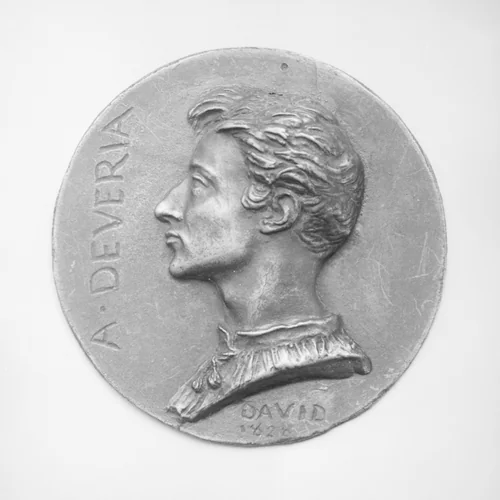
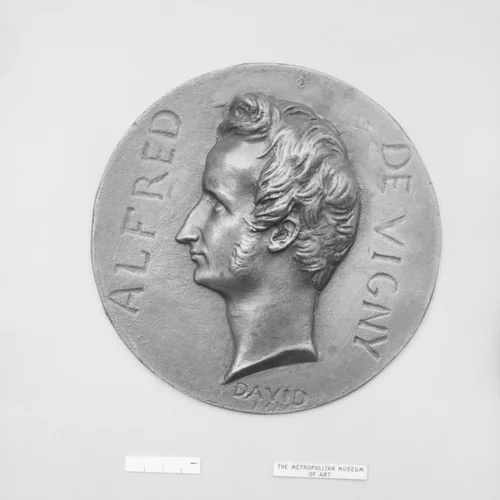
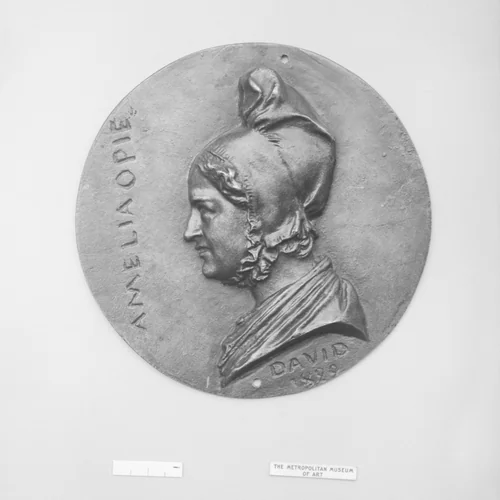
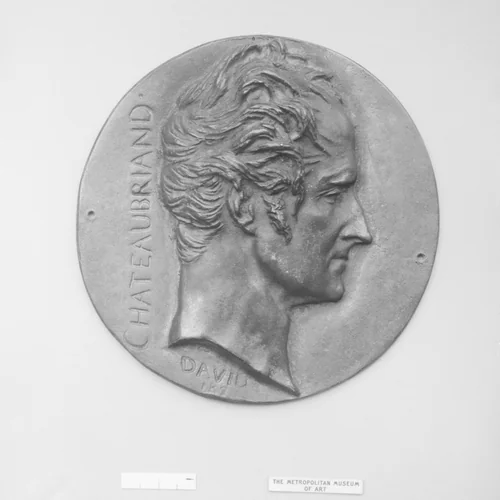
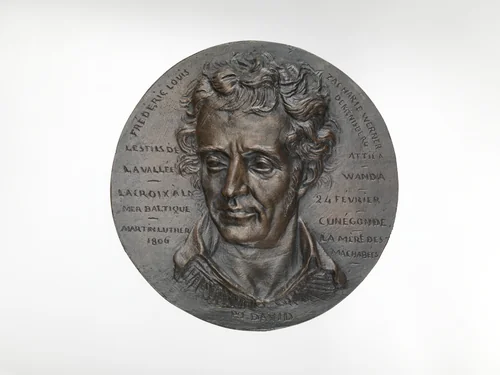
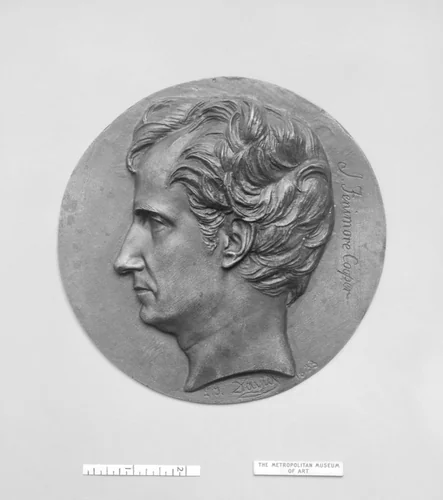
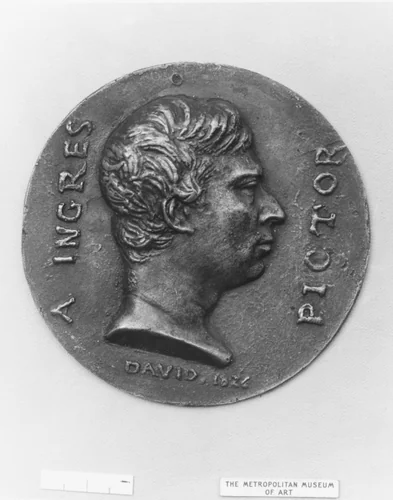
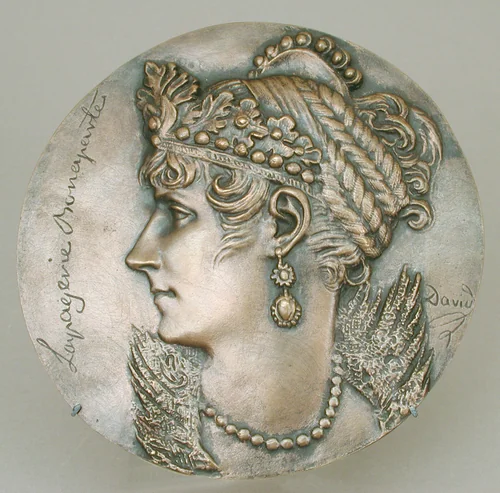
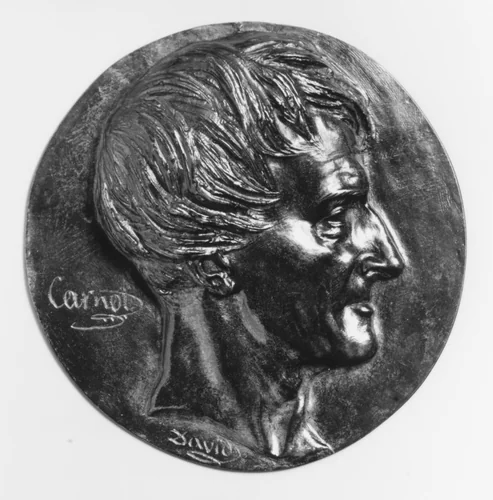
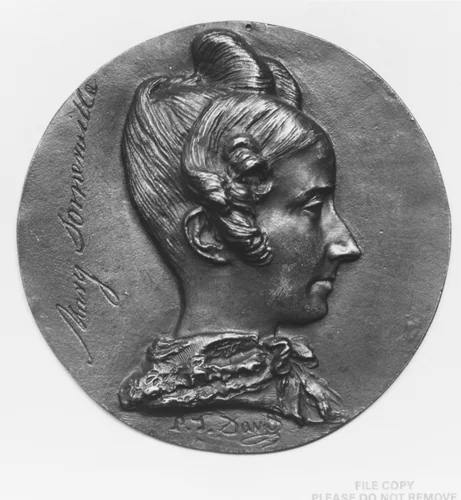
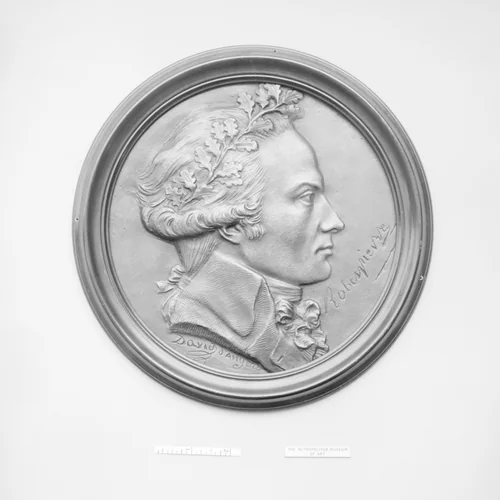
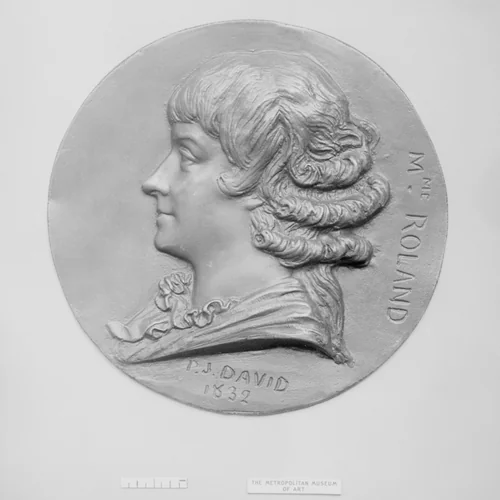
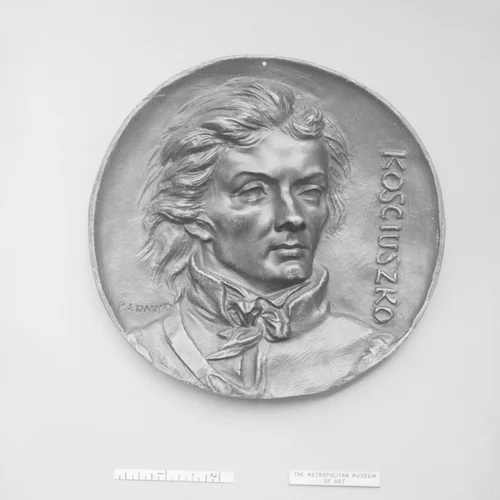
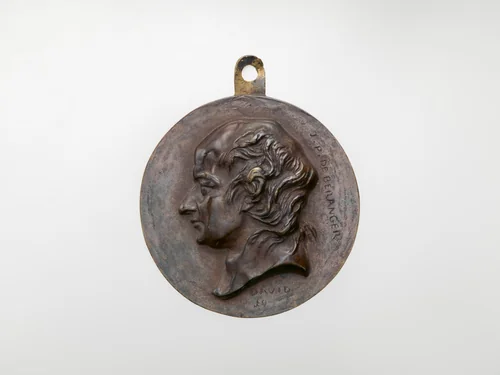
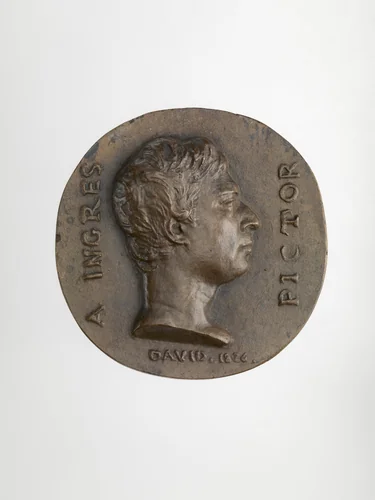
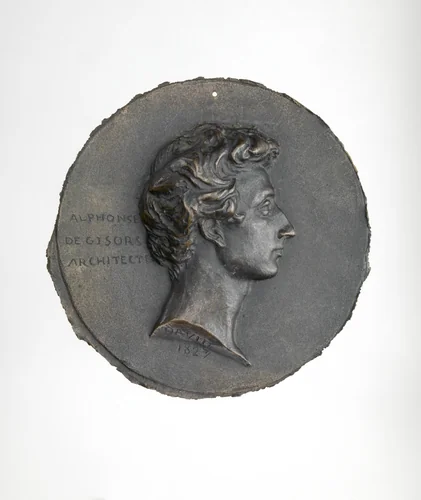
David d'Angers specialized in portraiture, working across monumental statuary and, perhaps most famously, in sensitive bronze medallions. These small-scale metalworks provided an intimate, detailed format for immortalizing the great thinkers and artists of the age. His works reflect an impressive social and political network, documenting figures who defined the post-Revolutionary European mind. His database entries alone reveal a comprehensive portfolio featuring luminaries such as the influential statesman and man-of-letters François René Auguste Vicomte de Chateaubriand, the poet Alfred Comte de Vigny, and the acclaimed English novelist and moral writer Amelia Opie. These precise portraits offer an invaluable visual record of the era’s intelligentsia.
His sustained dedication to honoring individuals based on achievement rather than purely inherited status reflects the progressive, Enlightenment values he espoused. David d'Angers was himself an active freemason, a detail that further underscores his commitment to the intellectual currents that shaped his chosen subjects. This focus on character over conventional heroism lends a compelling gravitas to his pieces.
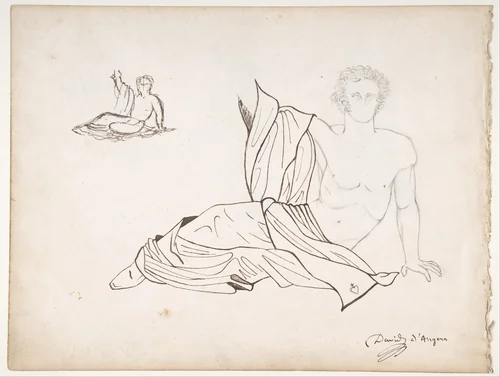
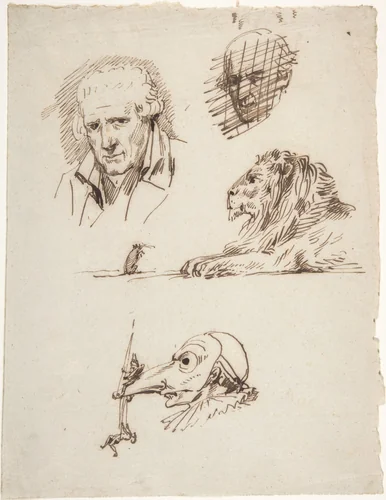
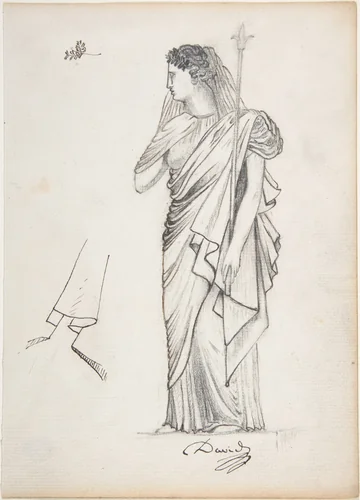
Today, his oeuvre, which includes thirteen documented metalworks and several preparatory drawings, is held in major international collections, including the Metropolitan Museum of Art. Fortunately, due to the historical significance and age of his output, much of the meticulously executed body of work is now in the public domain. This accessibility ensures that the detailed portraiture of Pierre-Jean David d'Angers prints can be widely accessed by scholars and institutions, offering museum-quality reproductions of the figures who defined the nineteenth-century European consciousness.
Source: Wikipedia · CC BY-SA 4.0