Pierre Guérin
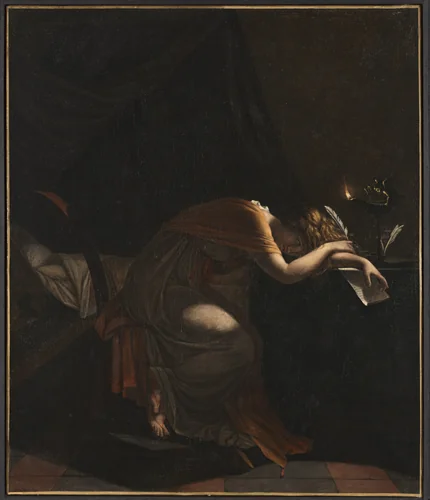
Pierre-Narcisse, baron Guérin, was a highly influential French painter and academician, born in Paris, who operated at the epicenter of the Neoclassical movement during the early years of the nineteenth century. Recognized for his rigorous application of classical principles, Guérin’s work epitomizes the dramatic, history-focused style favored by the French Academy. Although the core of his historical recognition rests upon his significant contributions to painting, the traceable body of his graphic work, notably active between 1805 and 1818, offers a detailed insight into the thematic preoccupations of the era.
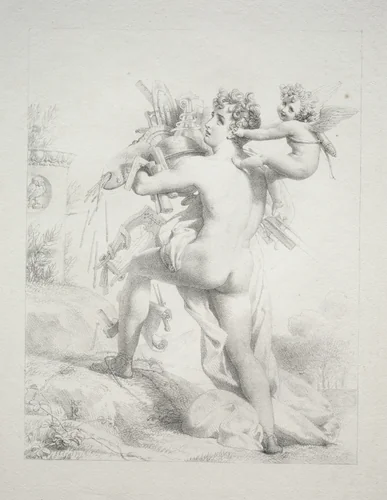
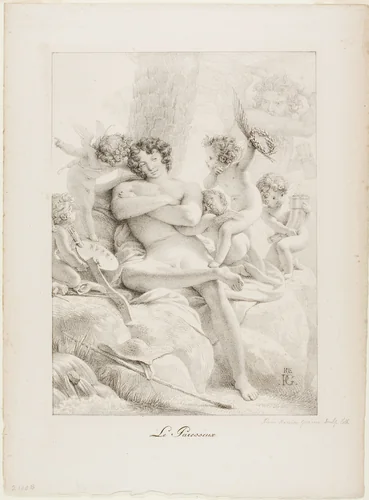
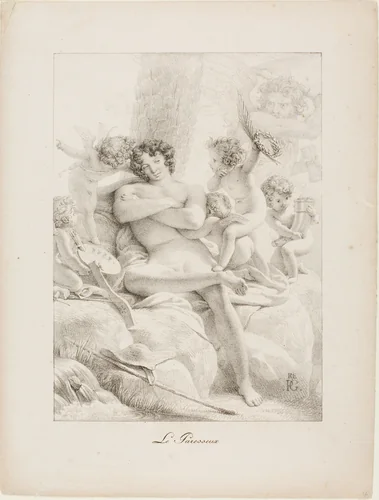
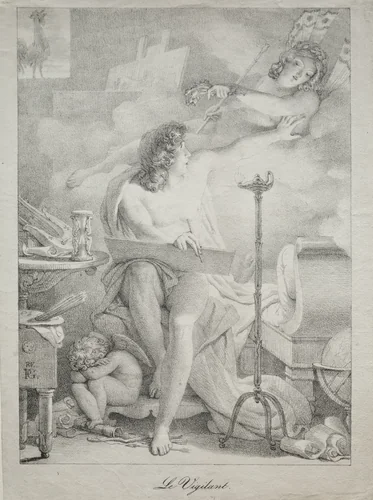
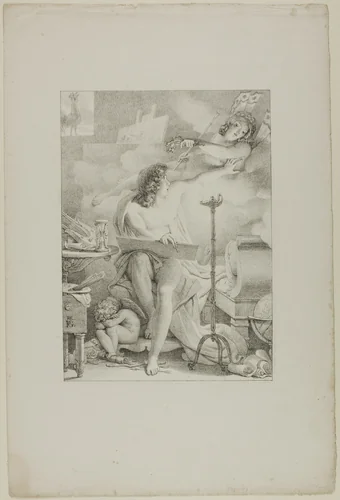
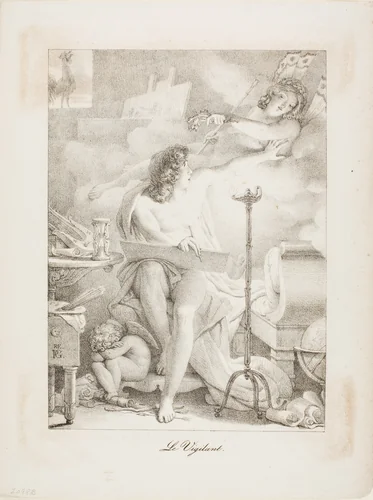
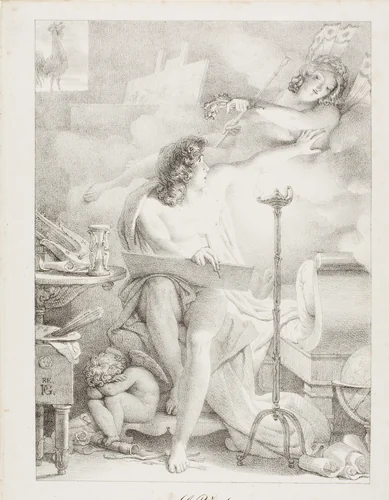
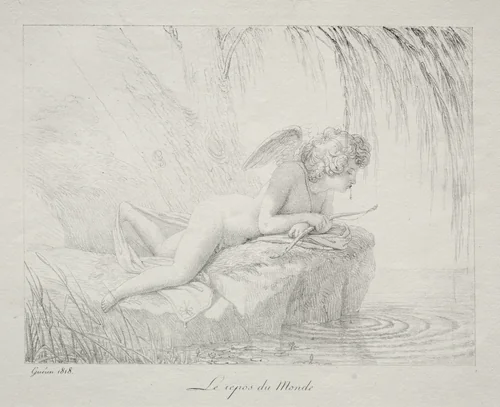
Guérin produced a concentrated group of compelling images, often derived from moral allegory or classical tragedy, including the print series represented by works such as Grasp All, Lose All and the monumental The Death of Sophonisba. These pieces reflect the period’s demand for narrative clarity and emotional intensity, rendered with precise linearity. Beyond his primary output, the recurrence of certain motifs provides an intriguing glimpse into Guérin’s thematic exploration. A particular fascination appears to have been reserved for the concept of indolence, as evidenced by his sequential pieces titled Idler and The Idler. This curious repetition hints that even the most high-minded Neoclassicist found the appeal, or perhaps the danger, of doing nothing a subject worthy of concentrated academic study.
While the single painting attributed within this active period is a crucial point of reference, the eight known prints demonstrate his versatile handling of the print medium, securing his legacy across multiple visual formats. Today, Guérin’s powerful visual narratives are preserved in major North American institutions, including the Art Institute of Chicago and the Cleveland Museum of Art, ensuring their lasting museum-quality documentation.
Due to the age of his original creations, many of Pierre Guérin prints and designs are now accessible as downloadable artwork. This transition into the public domain ensures that students and enthusiasts worldwide can examine these historical pieces, often available as high-quality prints, allowing the dramatic rigor of French Neoclassicism to be freely studied in the contemporary digital age.