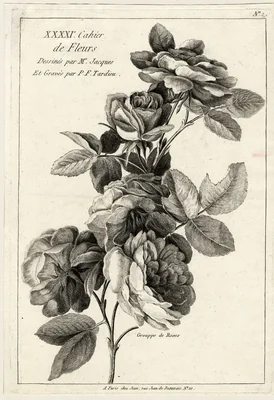
Pierre François Tardieu
Pierre François Tardieu (1711–1771) was a pivotal French engraver and cartographer whose output was central to the diffusion of French visual culture during the height of the ancien régime. As the nephew of the celebrated master engraver Nicolas-Henri Tardieu, he was professionally active between 1711 and 1757, inheriting and maintaining the exacting technical standards that defined the family’s printmaking dynasty. Tardieu established himself through precision and versatility, skills necessary for navigating the diverse commercial and artistic demands of the era.
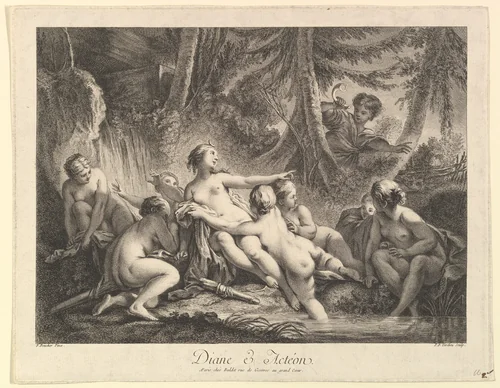
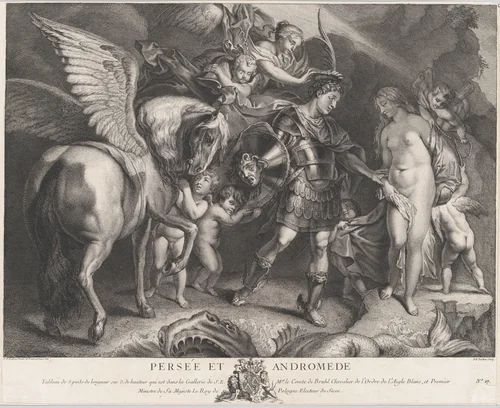
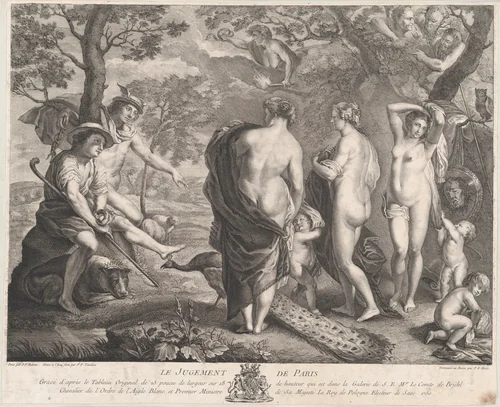
Tardieu’s fine art contributions primarily involved high-quality prints reproducing prominent paintings, serving as critical visual records before the advent of mechanical photographic methods. His most recognized works tackle grand mythological themes favored by collectors of the period, including the dramatic compositions Diana and Acteon, Perseus and Andromeda, and the intricate group scene of The Judgment of Paris. These reproductive works required exceptional technical mastery of line engraving to translate oil painting’s textures and tonal range into monochrome form. The continued institutional interest in his precision is reflected by the inclusion of his works in major collections, such as the Metropolitan Museum of Art.
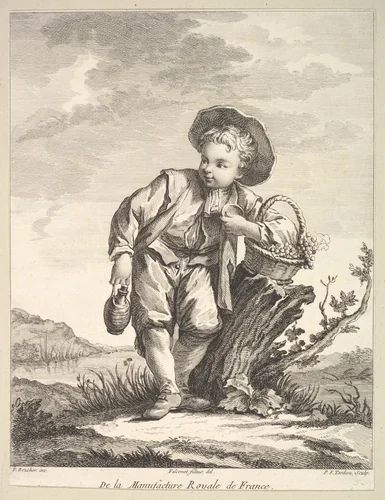
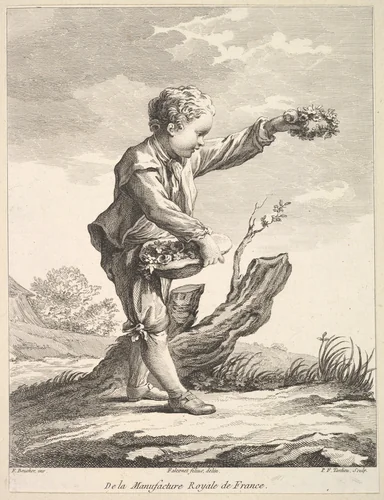
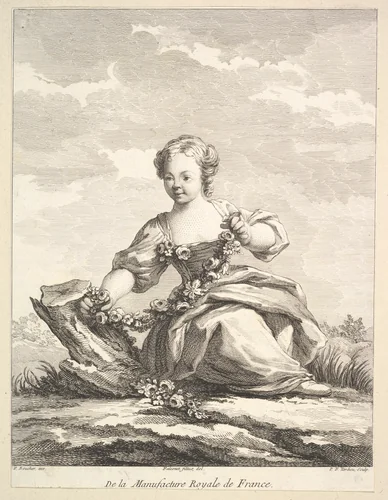
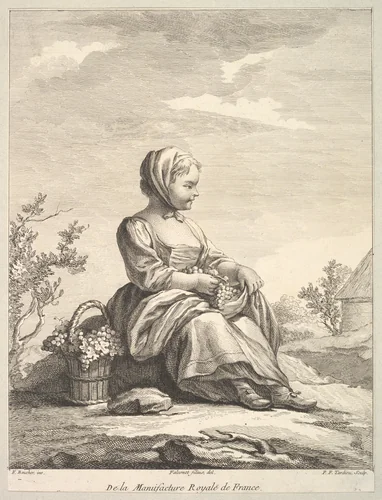
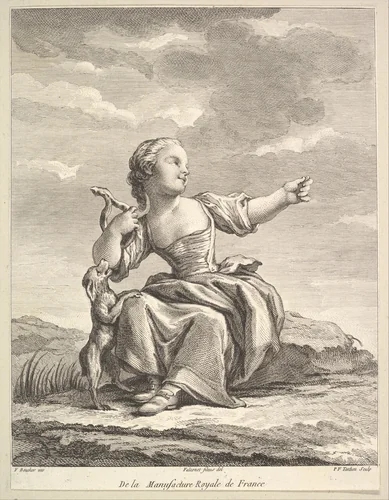
Beyond these classical subjects, Tardieu’s commissions demonstrate his commercial utility. He applied his rigorous technique to practical design, most notably in the series Deuxième Livre de Figures d'après les porcelaines de la Manufacture Royale de France. This collection, featuring specialized studies like Little boy holding a basket of grapes, documented and disseminated the fashionable designs of the Royal Porcelain Manufacture, serving as both reference and inspiration for artisans. The ability to pivot seamlessly from rendering the epic drama of classical mythology to detailing the delicate folds of clothing on a small porcelain figure highlights a characteristic professional dedication; a true working artist who understood that even the most specialized decorative subject required serious, museum-quality technique.
Tardieu’s dual career as a fine-art engraver and cartographer underscores his essential role in documenting both the artistic achievements and the geographical expanse of the French world. His works are often held in public domain collections, ensuring that these remarkable Pierre François Tardieu prints remain accessible as royalty-free downloadable artwork for research and enjoyment worldwide.
Source: Wikipedia · CC BY-SA 4.0