Pierre Fontaine
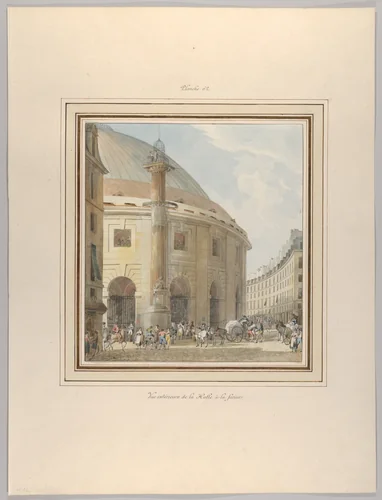
Pierre François Léonard Fontaine (1762–1853) stands among the most influential architects of French Neoclassicism, defining the aesthetic transformation of Parisian civic space during the late eighteenth and early nineteenth centuries. Active from 1762 until at least 1812, Fontaine specialized in monumental design, often collaborating closely with Charles Percier to produce unified architectural and decorative schemes. Though recognized primarily as an architect, his surviving legacy includes a crucial collection of drawings and published books that capture the scope of his urban planning ambitions, a significant portion of which now resides in prestigious institutions like the Metropolitan Museum of Art.
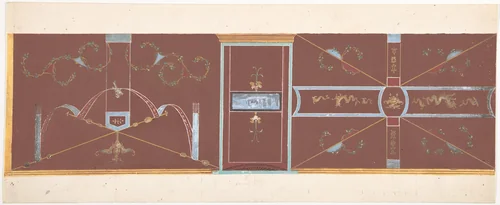
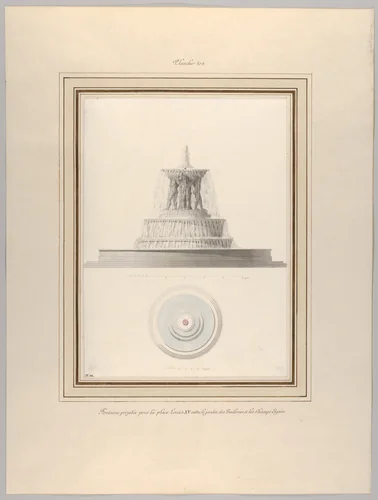
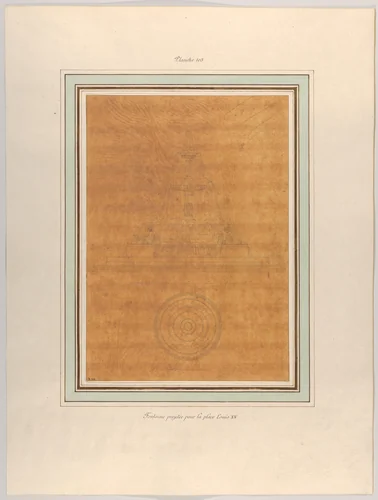
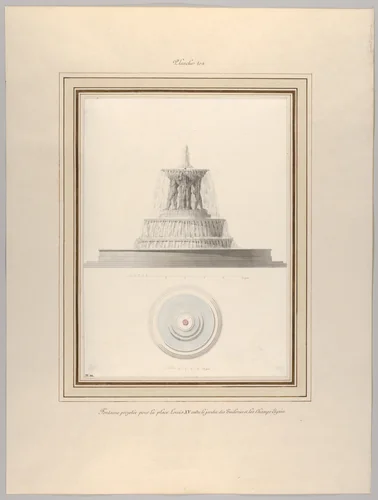
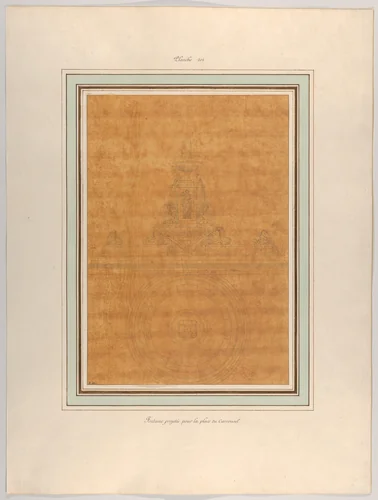
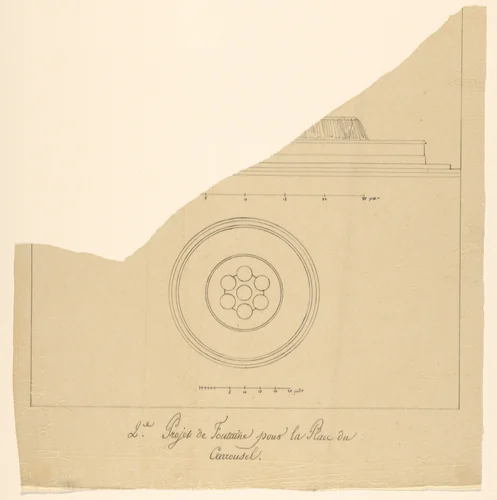
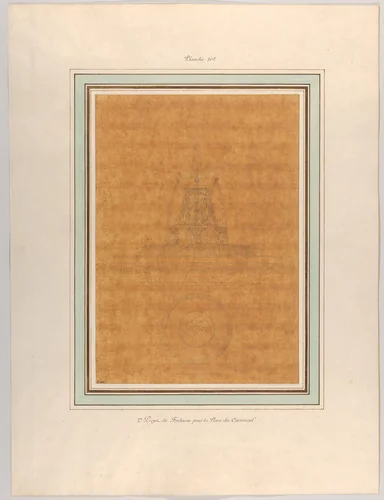
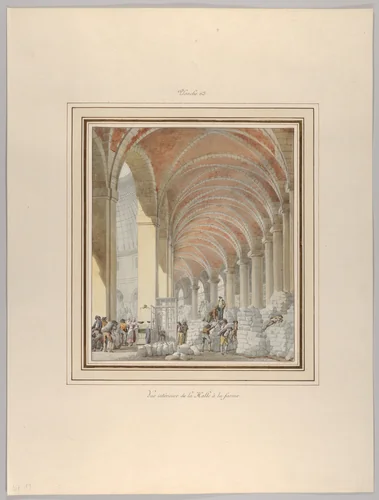
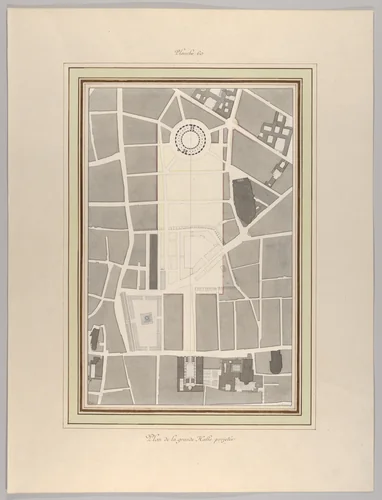
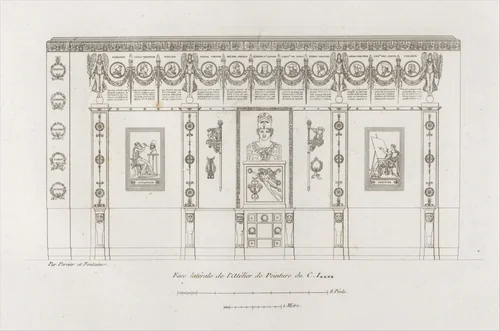
Fontaine’s design practice blended scholarly adherence to classical principles with a practical vision for modern civic utility. His preparatory studies, such as the meticulous Design for Wall Decoration and multiple iterations of the Project for a Fountain for La Place Louis XV (now the Place de la Concorde), illustrate the rigorous planning required for state-sponsored projects under shifting regimes. These detailed technical studies, which demonstrate his mastery of line and perspective, allow for the creation of museum-quality reproductions today. The extant drawings, totaling ten known designs alongside two highly influential pattern books, served as essential blueprints for implementing the unified Empire style across Europe. His commitment to re-imagine the capital, exemplified by the ambitious Project for a Fountain for La Place du Carrousel, demonstrates an unparalleled commitment to monumental symmetry and state power expressed through stone and water.
While many architects focus exclusively on execution, Fontaine was rare in his precise dedication to publishing and chronicling his work, ensuring his aesthetic principles survived various political upheavals. It is telling that the man responsible for structuring the visual identity of Napoleonic Paris would also design the coronation regalia; he believed the smallest detail was as vital as the grand facade. This fastidious attention to every facet of design is why his preparatory drawings remain highly sought after by researchers and collectors, now increasingly available as downloadable artwork in the public domain. Fontaine’s active period spanned five tumultuous decades, confirming his status not merely as a master of Neoclassicism, but as a visual chronicler of French political evolution.
Source: Wikipedia · CC BY-SA 4.0