Pierre Drevet
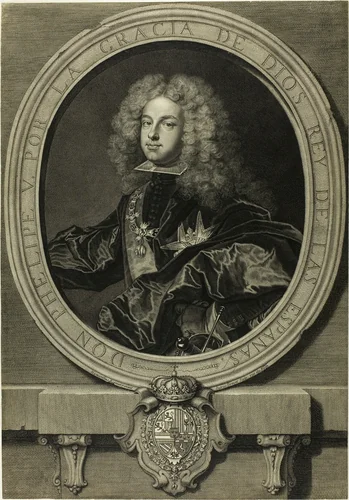
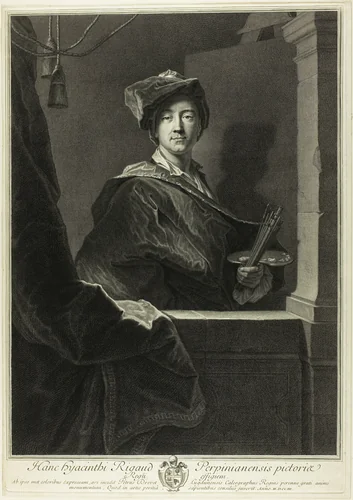
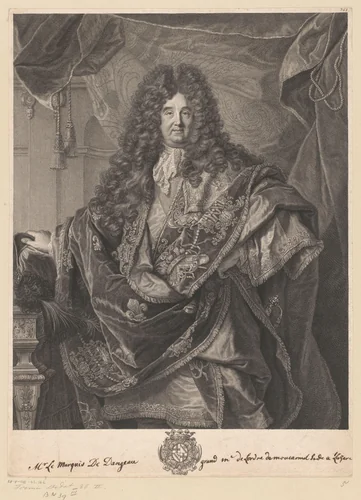
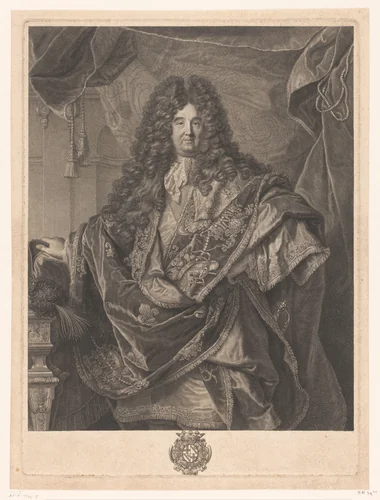
Pierre Drevet (active 1691-1722) stands as the foundational figure of the illustrious Drevet dynasty, a family whose specialized work in portrait engraving defined the standards of the genre in France for more than a century. Drevet initiated this extraordinary run of success through his profound mastery of the burin, establishing a rigorous methodology and aesthetic vision that secured the family’s prominence across three generations.
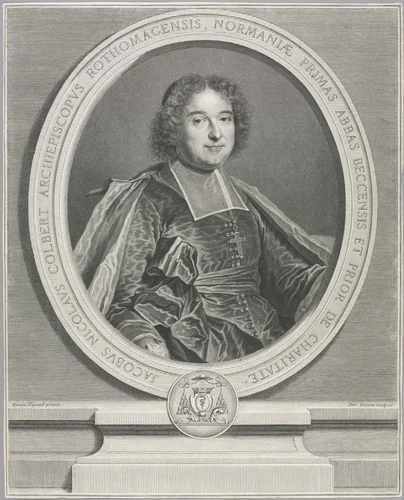
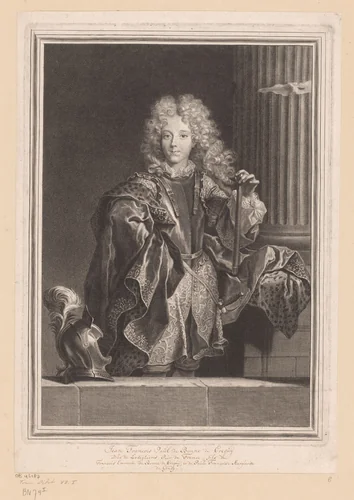
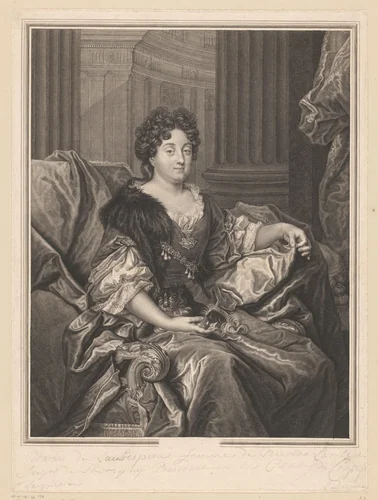
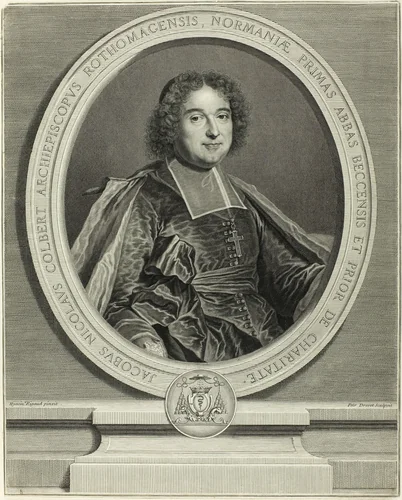
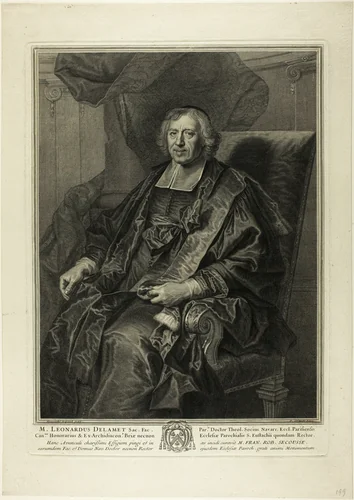
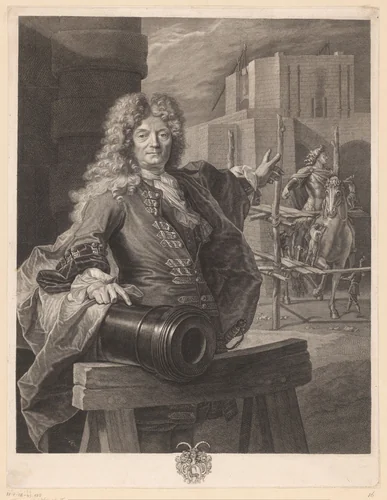
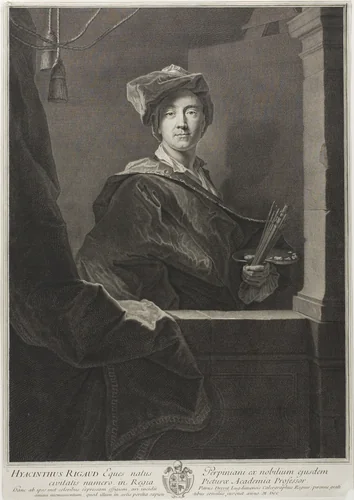
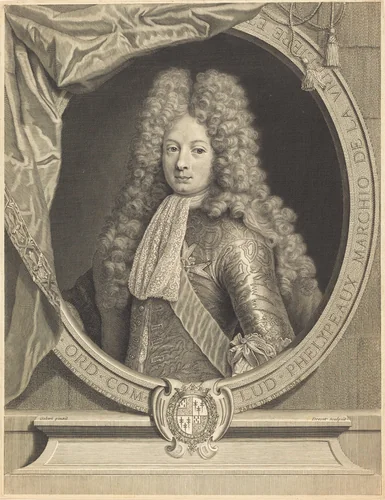
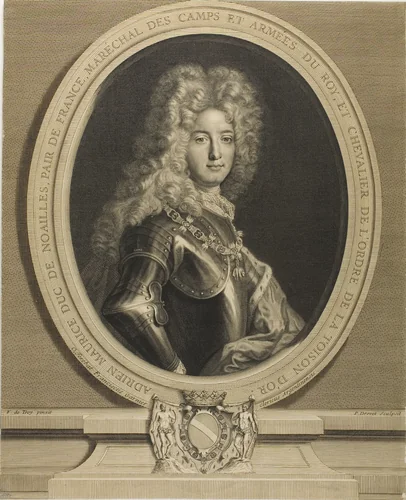
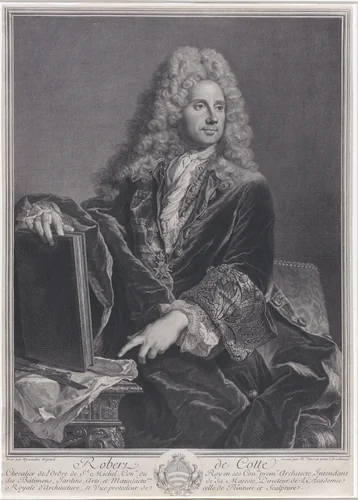
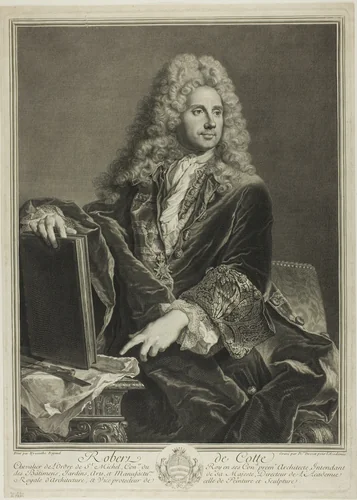
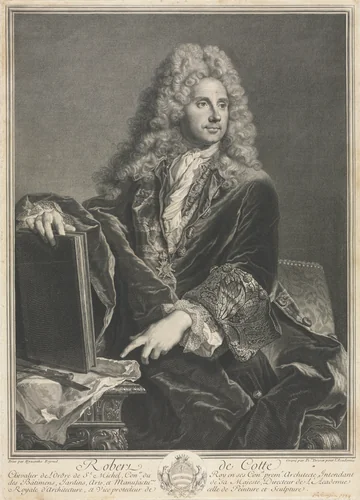
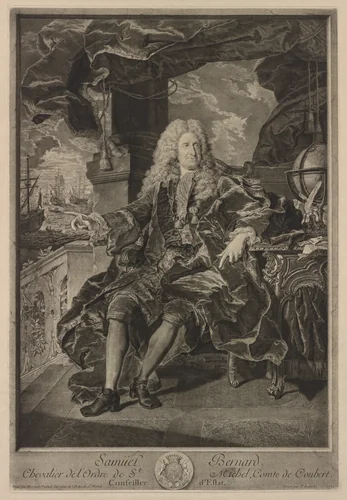
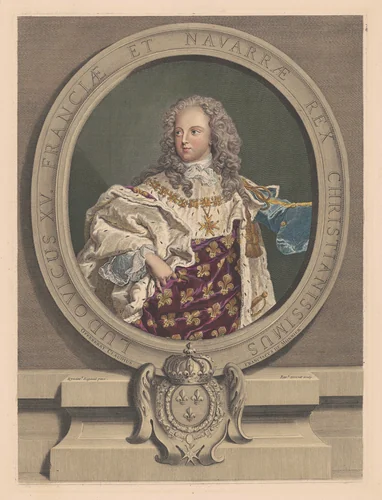
Active during the waning decades of the grand siècle, Drevet's commissions focused almost exclusively on immortalizing the leading figures of the clergy, the military, and the nobility. His approach was not merely reproductive; he expertly translated the lush textures and dramatic lighting of contemporary oil paintings into the precise, controlled clarity unique to the copper plate. Works like Portrait of Léonard de Lamet and the commanding Portrait of Jacques Nicolas Colbert, Archbishop of Rouen reveal a meticulous attention to detail, especially in the rendering of textiles, lace, and ceremonial armor, making his resulting prints highly sought after documents of courtly power. The inherent gravitas of his subjects is often striking; one suspects a smile rarely crossed the lips of a Drevet sitter, ensuring the authority of the image remained paramount.
Drevet’s individual reputation was critical for establishing the family franchise. The sustained fame of the Drevet studio was successfully carried forward by his son, Pierre-Imbert, and later by his nephew, Claude, who inherited his exceptional standards for creating museum-quality prints. This continuity ensured that the Drevet name remained synonymous with authoritative, technically sophisticated portraiture throughout the early and mid-eighteenth century.
Today, Drevet’s output consists of approximately fifteen recorded plates, which continue to be studied for their technical excellence and historical importance. These high-quality prints are held in major international institutions, including the Rijksmuseum, the National Gallery of Art, and the Art Institute of Chicago. While the originals remain preserved in these collections, the public availability of his work ensures that these historical images are increasingly accessible as downloadable artwork through various public domain initiatives.
Source: Wikipedia · CC BY-SA 4.0