Pierre Daret de Cazeneuve
Pierre Daret de Cazeneuve (b. Paris, 1604) stands as a precise and influential figure in 17th-century French portraiture and printmaking. Active across a pivotal period that saw the consolidation of Bourbon power, Daret de Cazeneuve’s output focused almost exclusively on capturing the official likenesses of political and ecclesiastical elites. His surviving oeuvre, though modest in scope, consists primarily of museum-quality prints that provide crucial visual documentation of the era’s most powerful figures, designed for circulation across the European continent.
Daret de Cazeneuve initially received instruction in the challenging Parisian tradition of engraving. Recognizing the necessity of technical depth beyond his early training, he undertook the obligatory journey to Italy, spending a considerable time in Rome, the epicenter of artistic refinement. This extended sojourn allowed him to hone the precise line-work and sophisticated shading required for translating detailed painted portraits into durable, reproducible copper plates. His facility with both the etching needle and burin made him highly effective at mass communication; the dissemination of official state imagery was, after all, a surprisingly fast moving business in the 17th century.
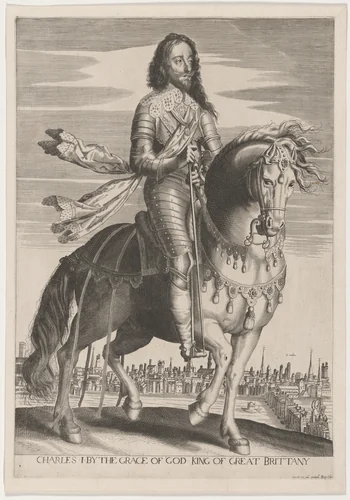
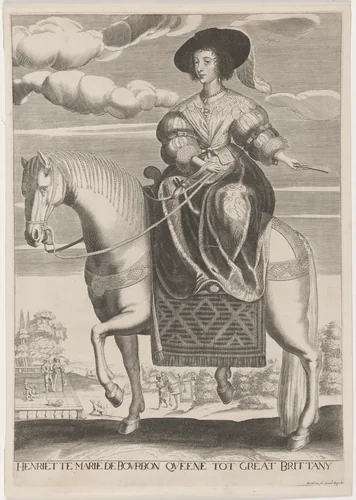
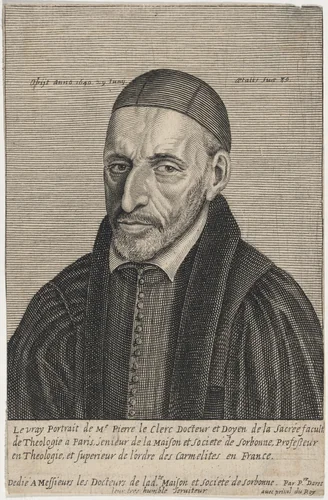
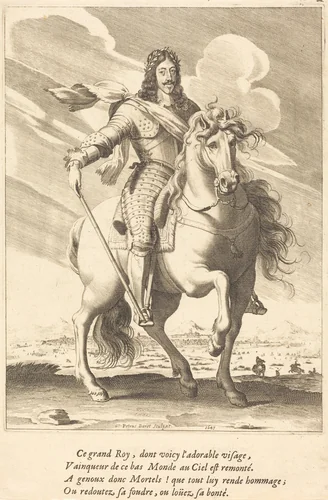
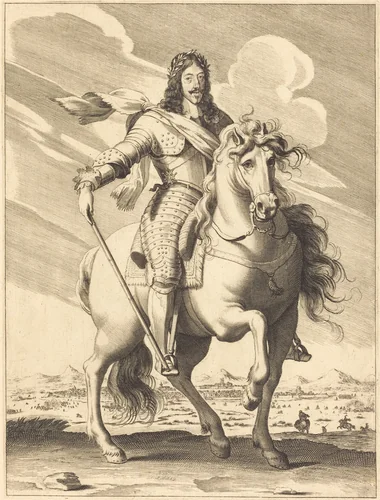
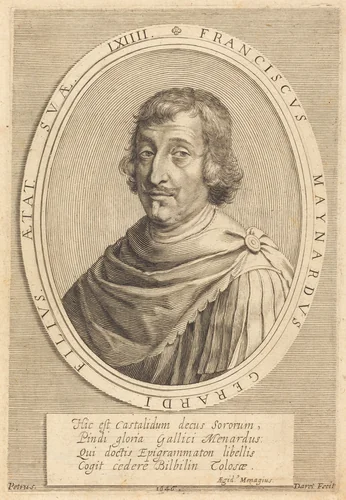
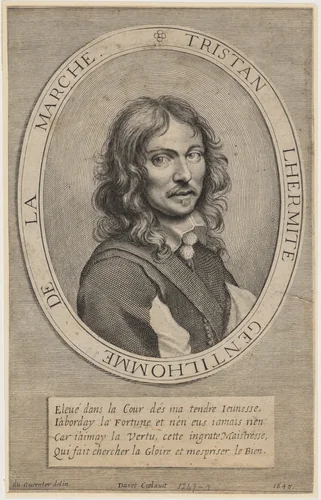
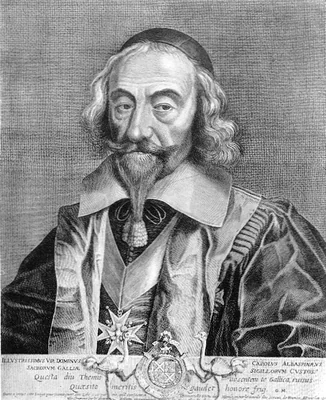
Daret de Cazeneuve’s portfolio includes defining images of state power, revealing a command of iconography suitable for monarchs and academicians alike. His prints of the French ruler, such as the multiple plates of Louis XIII, are characterized by a solemnity befitting the king, while his detailed portrait of Pierre le Clerc, Doctor of Theology in Paris, demonstrates his ability to render academic achievement with gravity. More dramatically executed are his paired equestrian studies, Charles I on Horseback and Henrietta Maria on Horseback, images of the doomed English royalty that showcase his capacity to manage complex, dynamic compositions. It is perhaps a telling detail of his longevity and consistent quality that, despite his primary output appearing much earlier, Daret de Cazeneuve was finally received into the prestigious Academy of Painting in 1663.
While the full extent of Pierre Daret de Cazeneuve paintings remains a subject of ongoing research, the integrity of his graphic work is preserved in major institutions, including the National Gallery of Art. Because these historical documents are increasingly classified within the public domain, the precise detail of Pierre Daret de Cazeneuve prints is now globally accessible. Researchers and enthusiasts can easily find downloadable artwork and high-quality prints, ensuring that this record of 17th-century authority remains visible and available as royalty-free resources.
Source: Wikipedia · CC BY-SA 4.0