Pierre Daret
Pierre Daret de Cazeneuve (1604-c. 1660) was a highly proficient French portraitist and engraver whose active career documented the political and aristocratic milieu of mid-seventeenth-century France. Born in Paris, Daret received his foundational instruction in the demanding field of printmaking, a skill he sought to refine through travel. He spent a significant period in Rome, dedicated to perfecting the precise linearity and tonal variation necessary for translating complex official likenesses into durable, reproducible forms. His professional competence is confirmed by the lasting presence of his works, including his highly sought-after Pierre Daret prints, in major global repositories such as the Rijksmuseum and the Metropolitan Museum of Art.
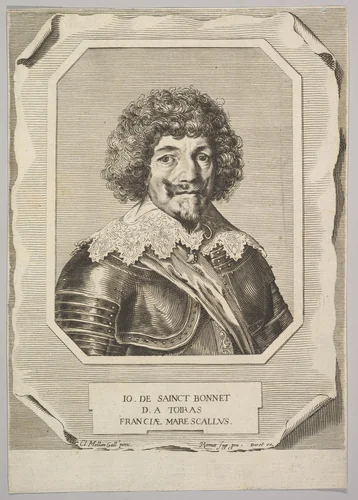
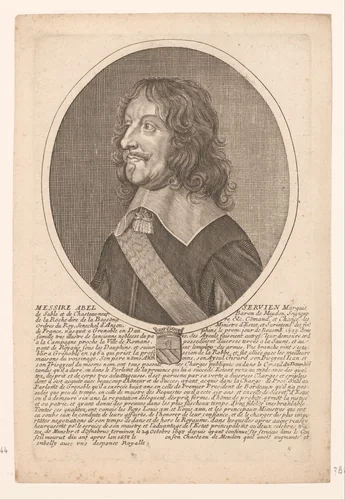
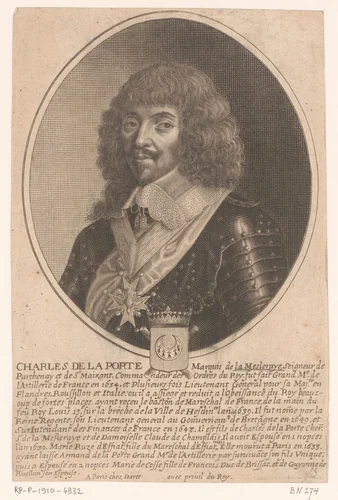
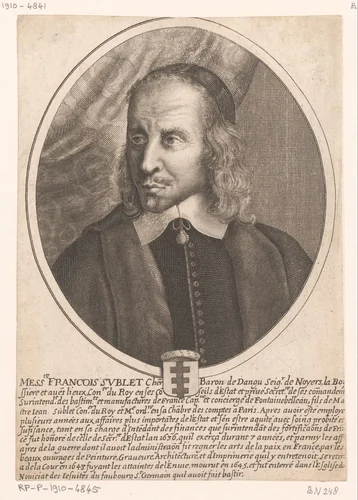
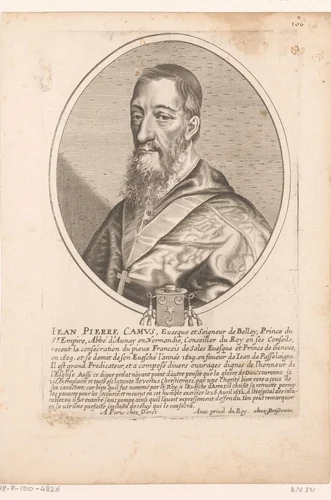
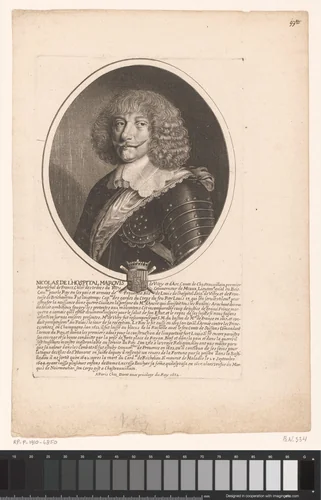
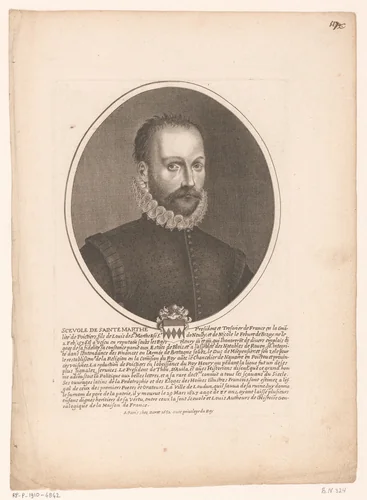
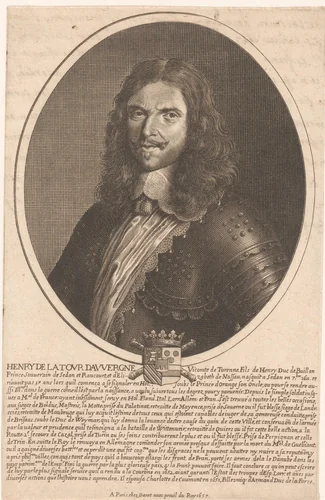
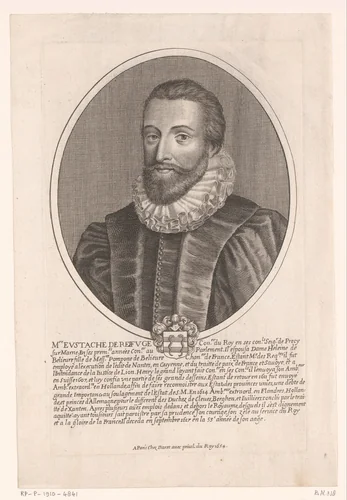
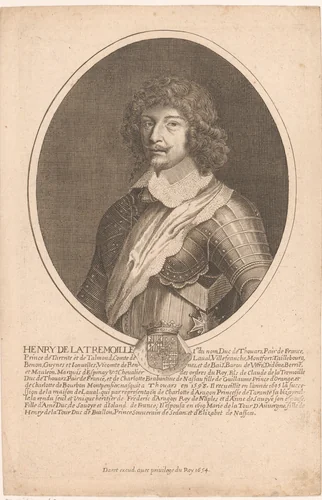
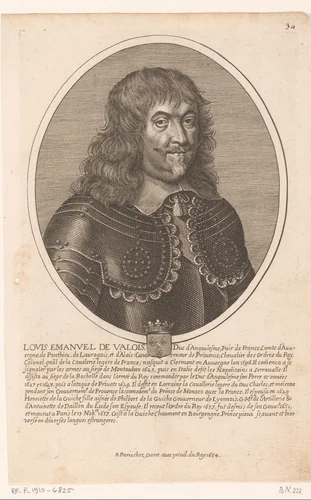
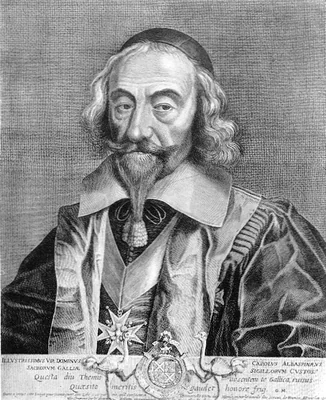
Daret’s specialty lay in the production of authoritative images for the state and the powerful elite. While best known for his masterful engraved portraits, which served a crucial function in disseminating the visual status of high-ranking officials, his portfolio reveals a technical diversity beyond mere documentation. Examples of his state portraiture include the commanding image of the diplomat Portret van Abel de Servien and the definitive rendering of military confidence in Jean de Saint-Bonnet, marquis de Toiras. These works illustrate his adept handling of drapery, armor, and expression, ensuring that the sitter’s power was immediately legible.
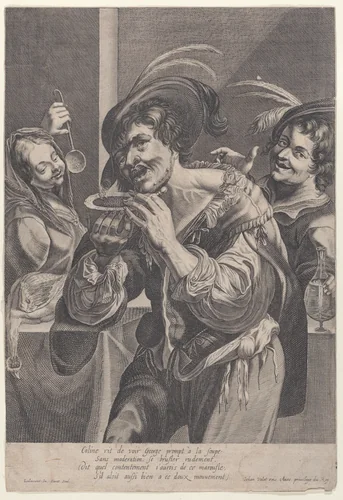
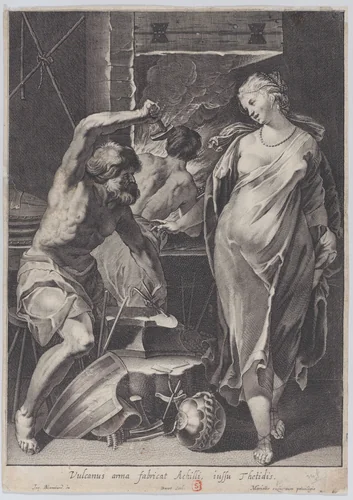
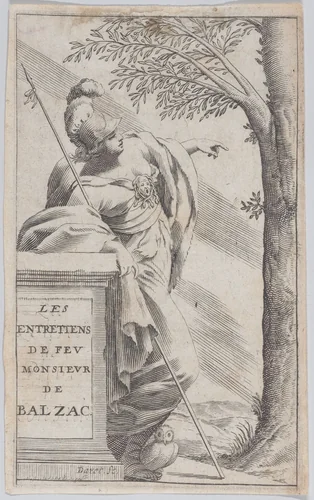
However, Daret also applied his exacting technique to mythological and genre subjects. This is evidenced by the dramatic lighting and classical composition found in Vulcan forging the armor of Achilles, contrasted with the unexpected intimacy of Man drinking soup while two people watch him. Daret’s prints served as a pragmatic early form of high-level visual branding; they allowed status, typically reserved for those who could afford a commissioned oil painting, to be effectively broadcast across the continent.
Daret maintained his standing within the Parisian art establishment throughout his career, culminating in his formal reception into the esteemed Academy of Painting in 1663. Though his death date is generally placed slightly earlier, this official recognition underscores the high regard he commanded among his contemporaries. Due to their historical significance and age, many of Daret’s masterful engravings are now in the public domain, offering valuable visual insights into the facial types and sartorial styles of the era. Institutions worldwide now provide high-quality prints and downloadable artwork of these vital historical documents.
Source: Wikipedia · CC BY-SA 4.0