Pierre-Charles Canot
Pierre-Charles Canot (active 1744-1778) holds a definitive position among mid-eighteenth-century printmakers whose technical proficiency facilitated the international exchange of visual information. Although French by birth, Canot conducted the overwhelming majority of his career in England, operating at the critical intersection of continental finesse and burgeoning British demands for accurate topographical and genre records. His mastery of copperplate engraving allowed him to translate complex compositional elements with precision and efficiency, ensuring his sustained relevance across more than three decades. His known surviving output of approximately fifteen distinct prints demonstrates this versatility and is preserved today in significant international collections, including the Metropolitan Museum of Art and the Art Institute of Chicago.
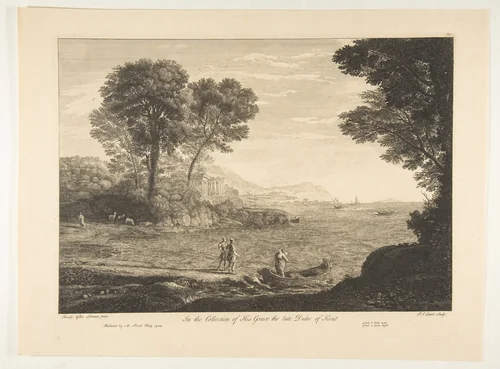
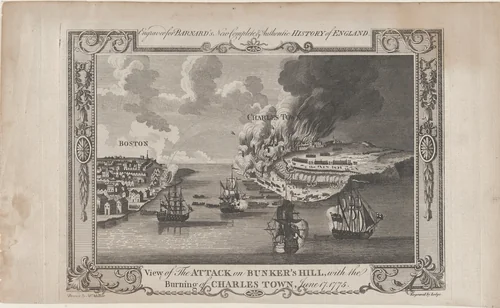
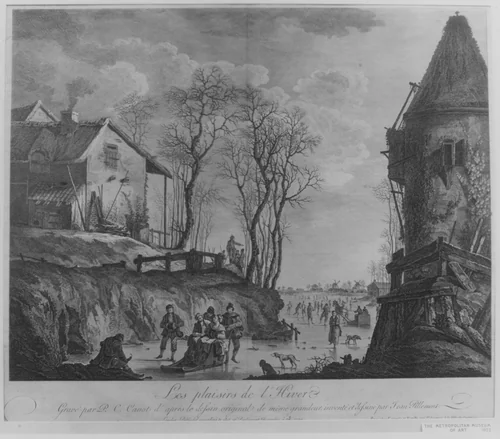
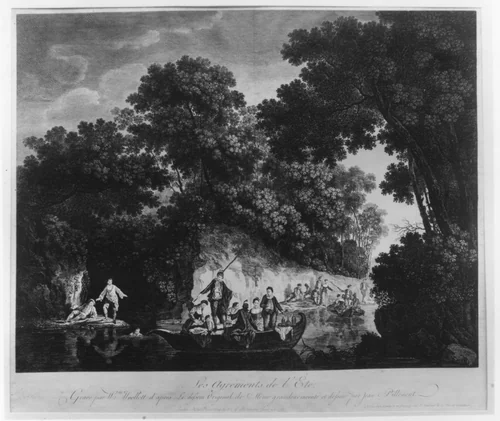
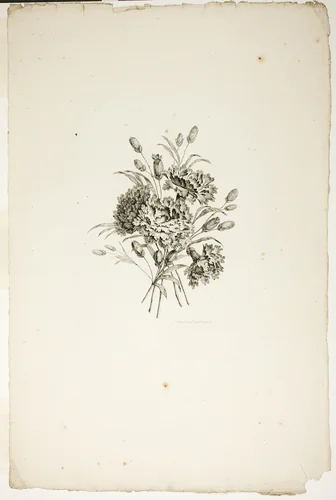
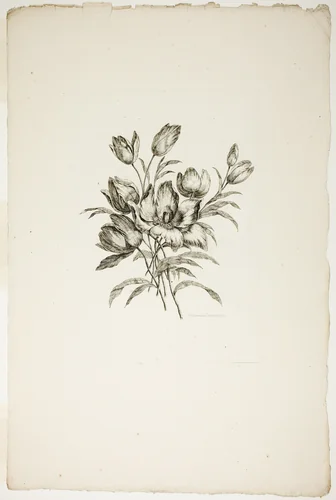
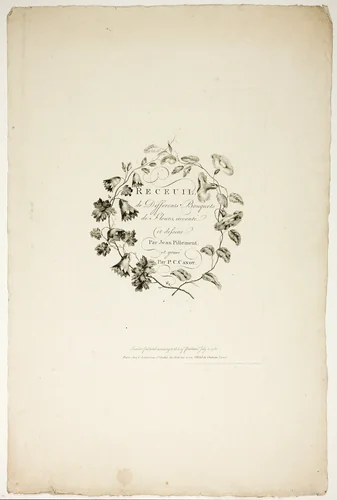
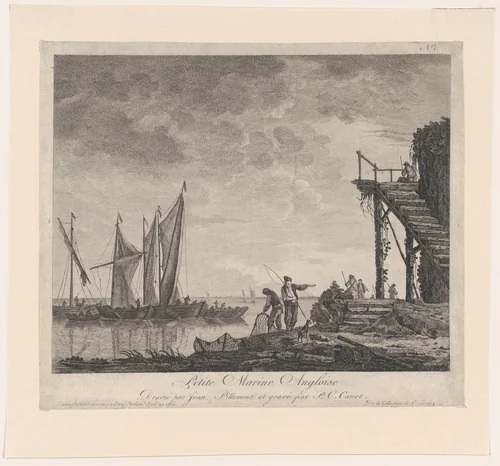
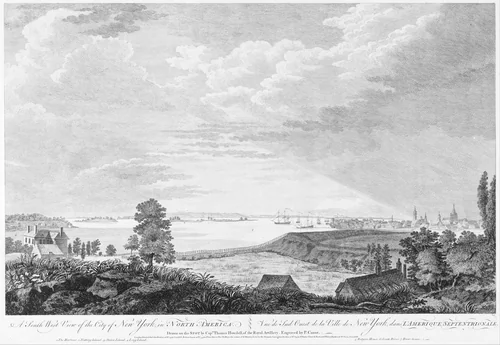
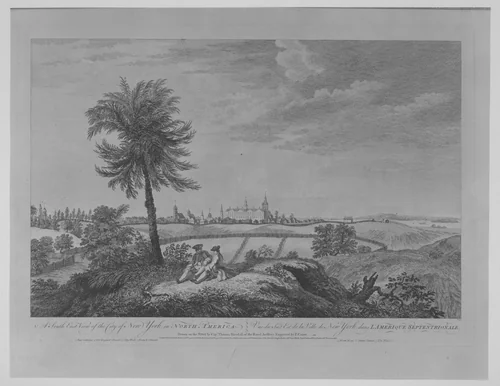
Canot's professional success derived largely from his adaptable subject range. He excelled equally in capturing idealized genre scenes, such as the companion pieces The Delights of Winter (Les Plaisirs de l'Hiver) and The Pleasures of Summer (Les Agréments de Été), and in meticulous maritime and colonial documentation. His work was crucial in mapping and describing rapidly evolving distant geographies, exemplified by the detailed, often consulted view, South West View of the City of New York in North America. His capacity to faithfully render the designs of his contemporaries was paramount. He frequently interpreted the work of other artists, whether executing a picturesque Italianate scene like Coast View with the Embarkation of Carlo and Ubaldo, or meticulously reproducing botanical studies for publication, such as the detailed Bouquet with Carnations. One might observe that Canot was less an inventor of novel compositions than a highly effective visual interpreter, whose fidelity to the source design was unwavering.
Canot’s consistent delivery of museum-quality work ensured his place as a central facilitator of eighteenth-century visual culture. His engravings, executed primarily between 1744 and 1778, disseminated crucial information on geography, fashion, and natural history to a growing public audience. Today, the technical durability of his plates ensures that these images are frequently available as high-quality prints, often entering the public domain to be studied and appreciated widely. These definitive Pierre-Charles Canot prints remain vital primary sources for the study of the Georgian era.
Source: Wikipedia · CC BY-SA 4.0