Pierre Brebiette
Pierre Brébiette, a French painter and etcher born in Mantes-sur-Seine, occupies a distinct place in the transitionary period between Mannerism and the nascent Baroque style. While biographical details remain scarce, his artistic significance is firmly established by the corpus of eleven known prints and four related drawings preserved in major international collections, including the Rijksmuseum and the Metropolitan Museum of Art.
Brébiette’s career was fundamentally shaped by his commitment to the Italian artistic milieu. He resided and worked in Italy, largely in Rome, from approximately 1617 until 1625. This sojourn placed him directly amidst the intellectual ferment surrounding the Carracci and the rising tide of Baroque classicism. His prolonged exposure to classical statuary and the devotional fervor of the Counter-Reformation is clearly manifest in his printmaking technique, which displays a crisp linearity and controlled emotional register.
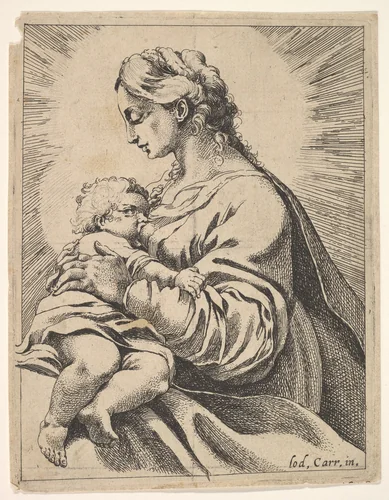
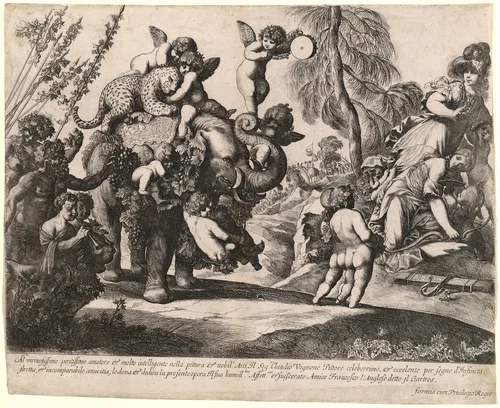
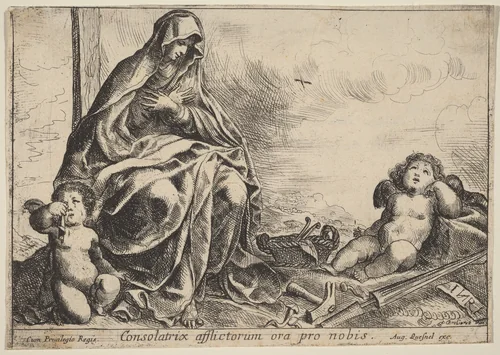
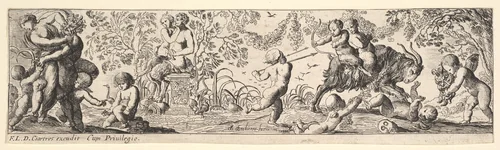
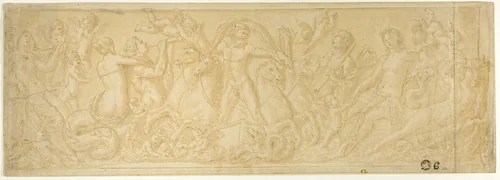
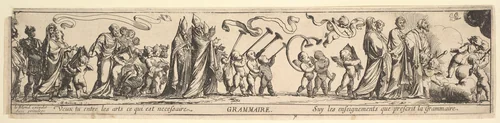
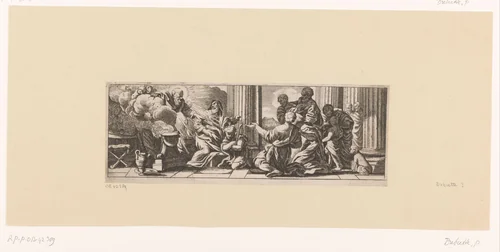
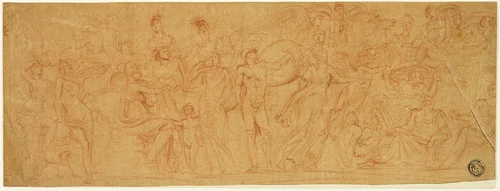
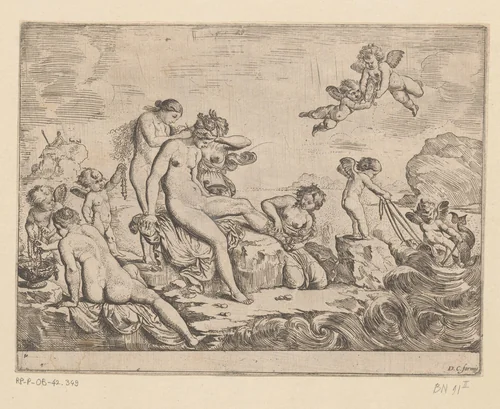
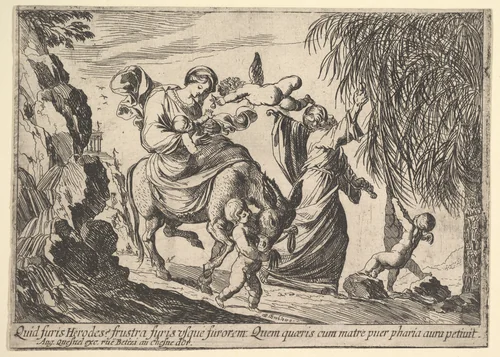
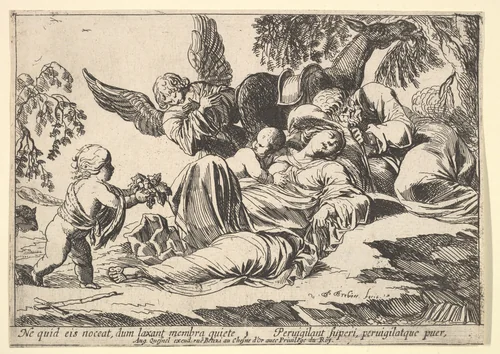
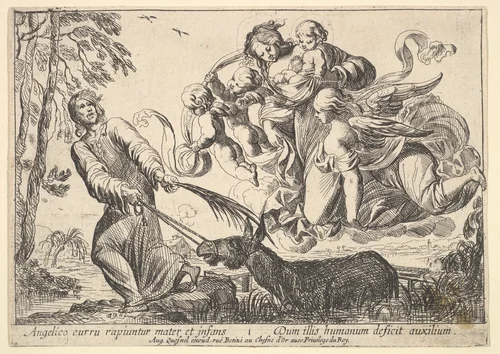
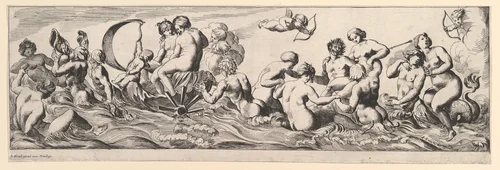
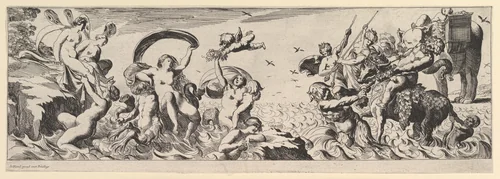
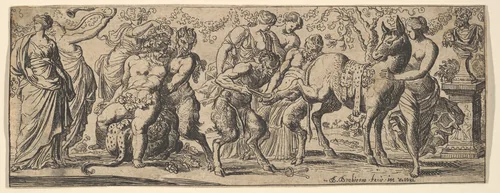
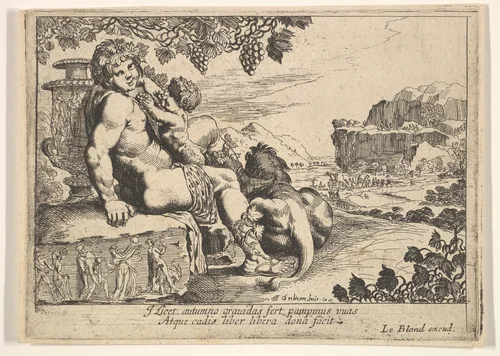
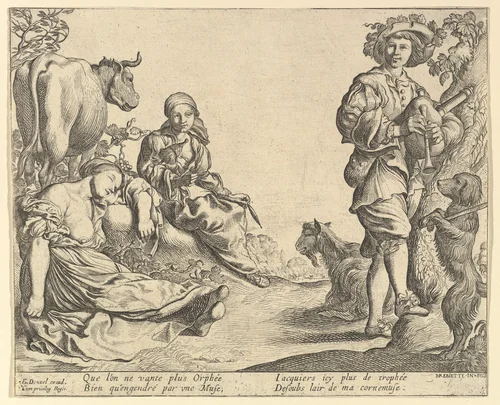
His thematic range was suitably broad, encompassing both mythological exuberance and deep religious introspection. His larger plates, such as the elaborate Chariot of Neptune Surrounded by Tritons, Nymphs, and Putti and the fluid Bacchanal, exhibit a sophisticated handling of crowded compositions and dynamic motion. In counterpoint, devotional works like the Virgin and Child and the highly symbolic Virgin Bowing to Instruments of the Passion demonstrate his ability to imbue small, intimate scenes with monumental seriousness.
Despite the intensity of his artistic production in the highly competitive Roman environment, Brébiette maintained a substantial personal life. He and his wife, who predeceased him in 1637, raised seven children, providing an interesting domestic backdrop to the demanding nature of his mythological and religious commissions. This stability suggests a successful integration into Roman society.
Brébiette’s limited output of museum-quality etchings secured his reputation, and today, scholars rely on these records to chart the artistic exchanges between Paris and Rome in the early seventeenth century. Thanks to the nature of their original publication, many of these images are now in the public domain, allowing institutions to offer high-quality prints and downloadable artwork, ensuring that the legacy of Pierre Brebiette prints remains accessible for future study.
Source: Wikipedia · CC BY-SA 4.0