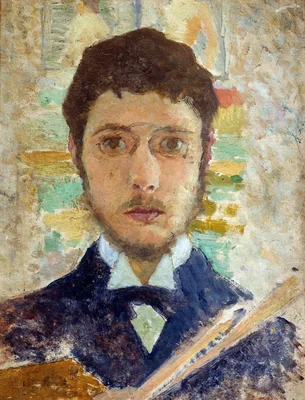
Pierre Bonnard
Pierre Bonnard (1867-1947) was a foundational French figure known for his masterful convergence of fine art, illustration, and printmaking. His initial prominence came as a founding member of the influential Post-Impressionist group Les Nabis (The Prophets) in the late 1880s. This collective sought to integrate the structural principles of Symbolism with decorative design and functional application. Bonnard’s early visual language, heavily indebted to Paul Gauguin’s formal simplification and the refined compositions found in Hokusai's and other Japanese ukiyo-e prints, positioned him immediately at the vanguard of Parisian taste.
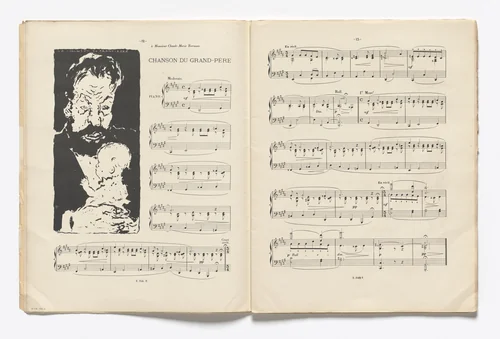
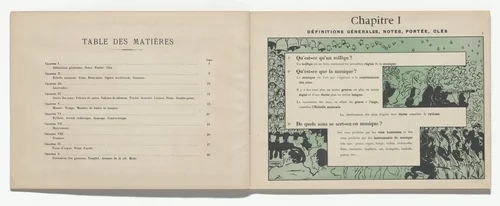
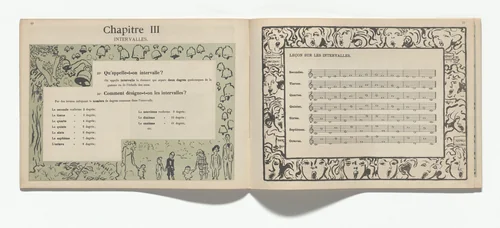
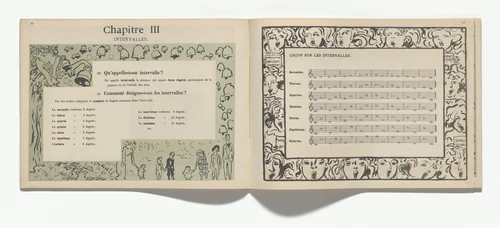
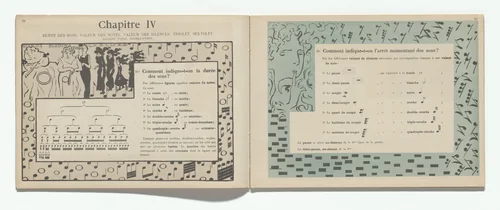
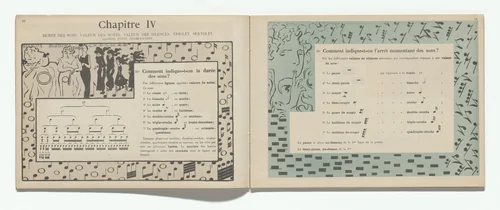
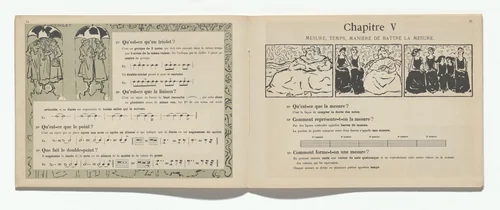
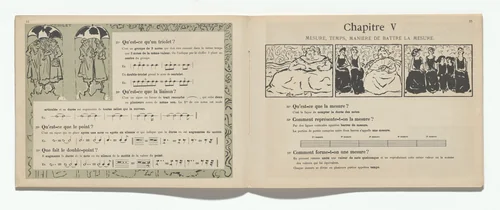
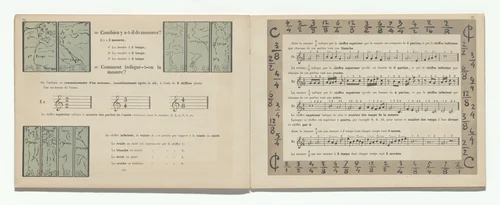
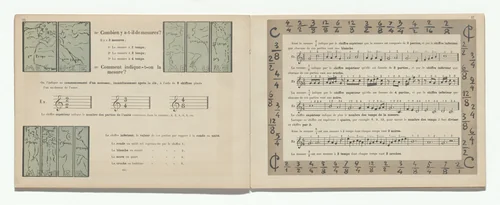
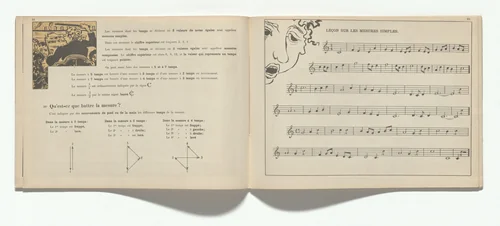
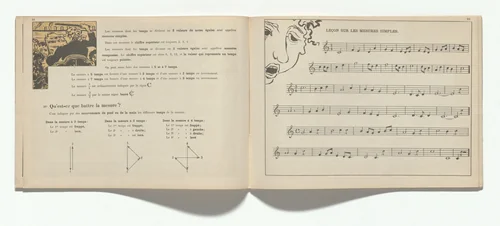
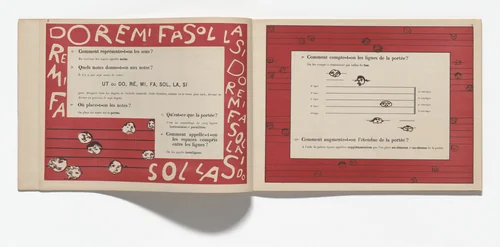
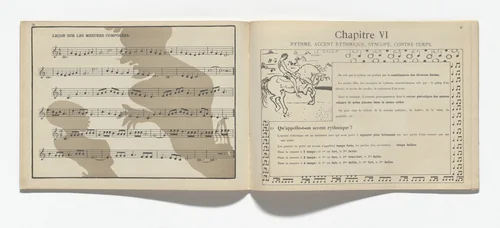
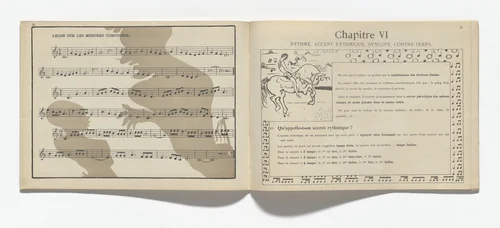
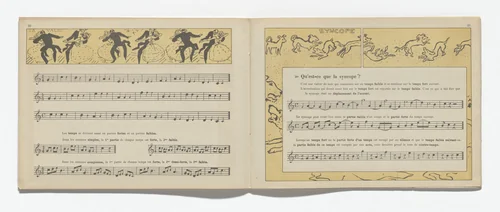
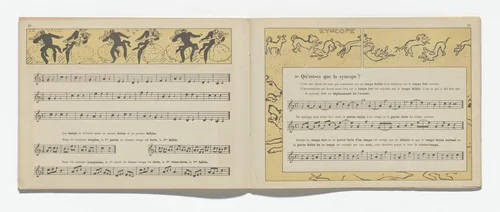
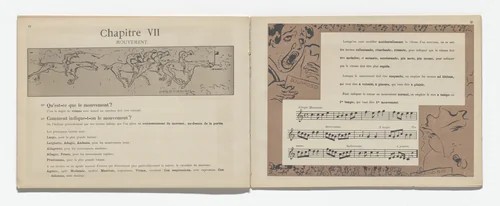
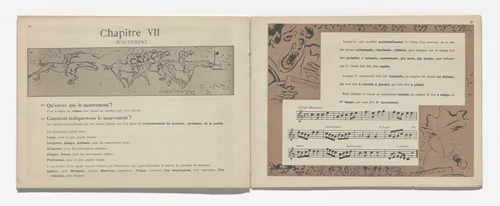
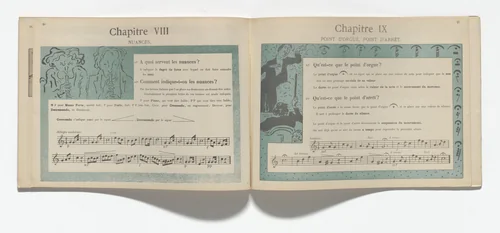
Bonnard quickly developed a signature style characterized by sumptuous, stylized decorative qualities and a confident, often unexpected use of chromatic schemes. He was integral to the move from the observational style of Impressionism toward the structural and subjective concerns of Modernism. Whether tackling expansive landscapes, bustling urban scenes, or intimate domestic interiors like Marthe aan haar ontbijt, Bonnard consistently prioritized overall pictorial effect. In his work, backgrounds, color saturation, and the handling of the paint often took precedence over strict subject fidelity—a defining trait evident across his diverse output, ranging from early advertising lithographs such as France-Champagne to his sophisticated illustrated books, including Petit solfège illustré (Little Illustrated Solfège).
This commitment to aesthetic impact, prioritizing surface design over narrative detail, defined his historical significance. His influence as a master graphic artist, producing seven key prints and six illustrated books early in his career, was profound. Although a leading exponent of the Parisian avant-garde, Bonnard maintained an intense focus on private life and the immediate surroundings of home, often portraying his subjects with a dreamy intimacy. His subtle observation of light and texture ensures that his best works, whether they are oil Pierre Bonnard paintings or preparatory drawings like the Portret van de kunstenaar Edouard Vuillard, retain a timeless, sensory vibrancy. This duality, being both a major public innovator and a chronicler of quiet domesticity, lends a particular charm to his extensive oeuvre. Today, many of his graphic works and designs, including those held in the collections of the Cleveland Museum of Art and the Museum of Modern Art, are now in the public domain, offering access to high-quality prints and downloadable artwork for study and appreciation.
Source: Wikipedia · CC BY-SA 4.0