Pierre-Antoine Baudouin
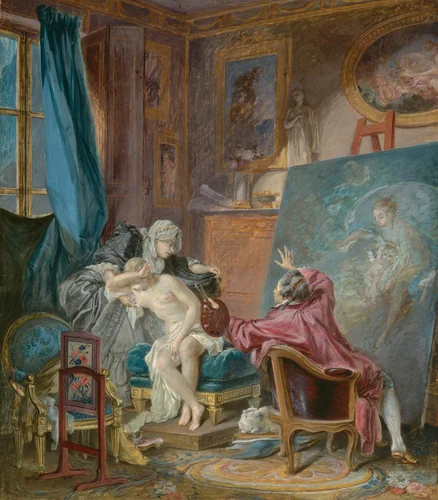
Pierre-Antoine Baudouin (1720-1769) was a central, if often understated, figure in the French Rococo movement, establishing his reputation primarily as a miniaturist and draftsman. His enduring contribution lies in the translation of the grand, luxuriant aesthetics of the period into delicate, domestic scale, a style shaped entirely by his relationship with François Boucher. Baudouin was not only Boucher’s pupil but also his son-in-law, a connection that provided him immediate access to the highest echelons of Parisian society and art patronage, influencing his meticulous approach to genre scenes and intimate tableaux vivants.
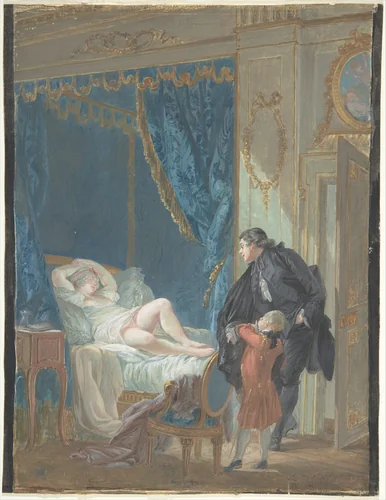
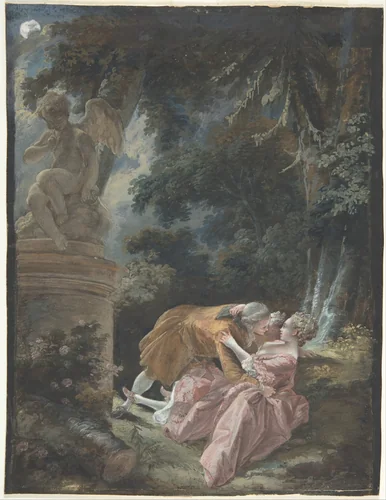
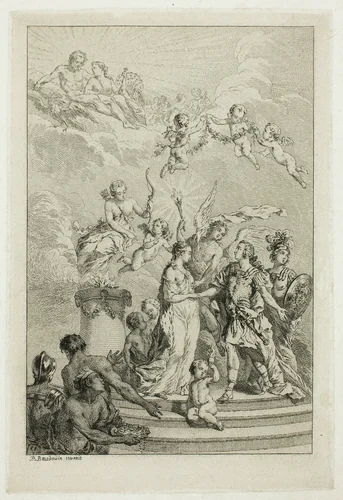
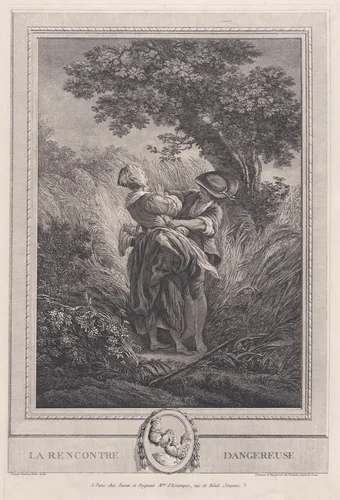
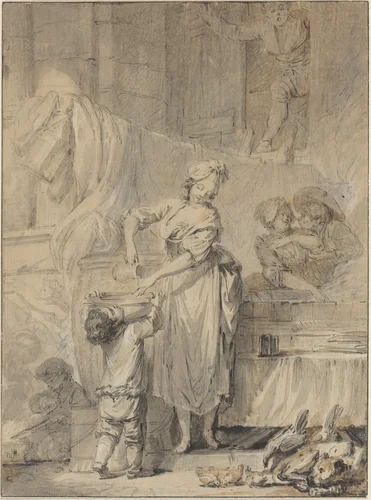
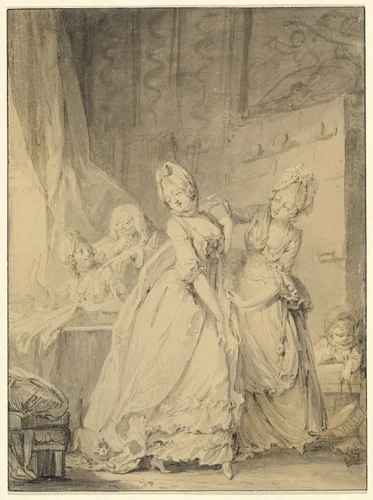
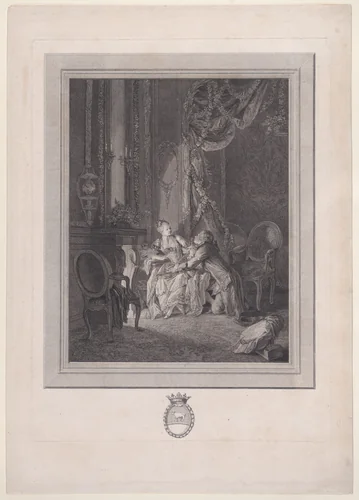
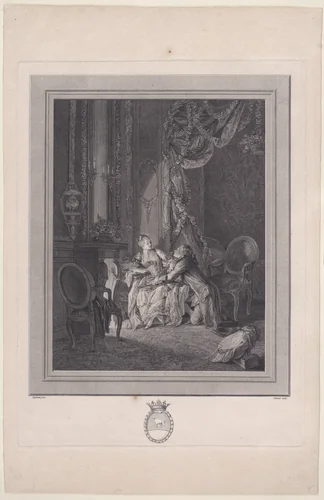
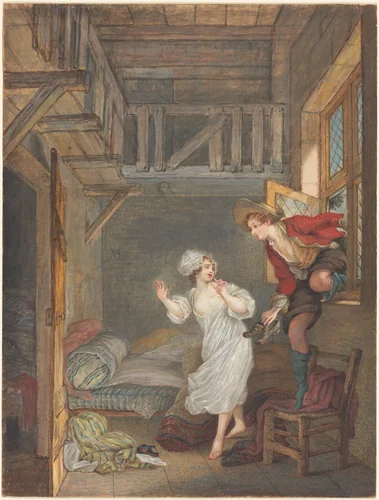
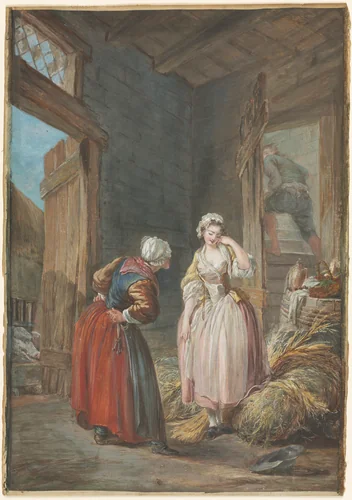
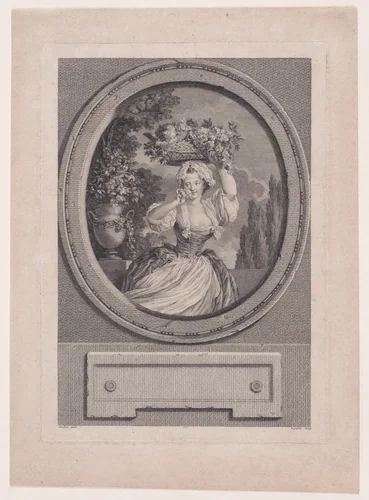
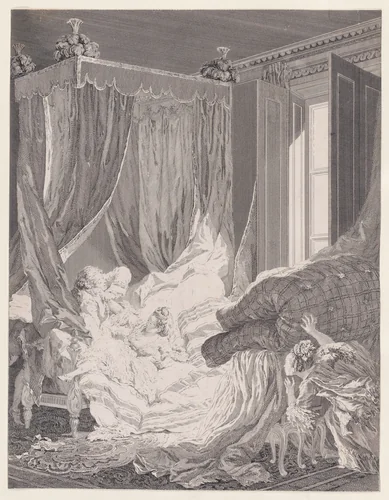
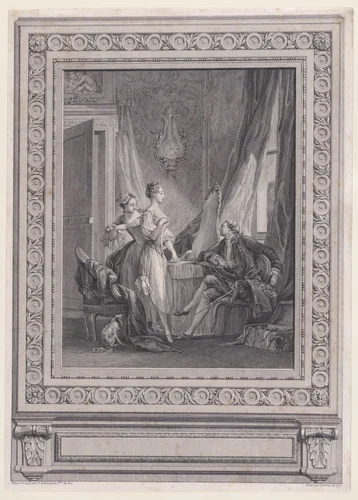
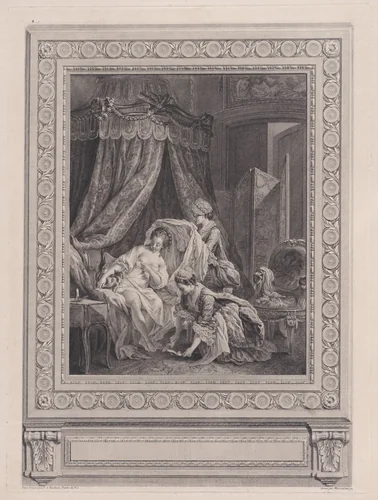
Baudouin excelled in capturing the rituals and subtle dramas of aristocratic life, frequently grouping his compositions into thematic pairs. His celebrated pair, Le Matin and La Nuit, exemplify his mastery of tonal gradation, moving effortlessly from the soft light of the awakening day to the shielded secrets of the evening. His commissions also included large-scale political commemoration, as demonstrated by the impressive Allegory of the Marriage of the Dauphin Louis to the Infanta Maria Theresa of Spain. However, it is in his smaller genre scenes, such as La Rencontre Dangereuse and the less overtly dramatic Kindly Martine, that Baudouin’s personal touch truly emerges, offering nuanced glimpses behind the drawn curtains of privileged eighteenth-century life. It is perhaps an understated observation that, given his familial connection, Baudouin was uniquely positioned to create what amounted to authorized visual extensions of the Boucher aesthetic into the domestic sphere.
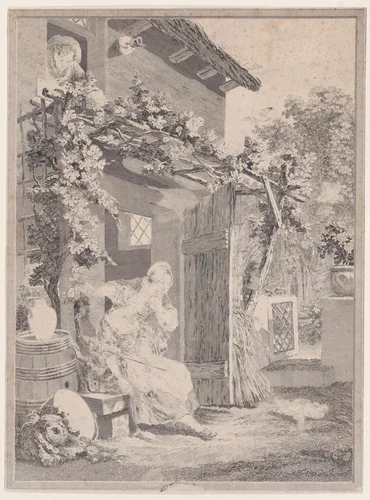
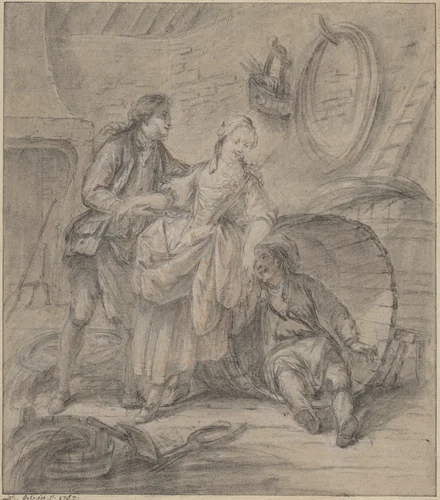
While historical records occasionally reference Pierre-Antoine Baudouin paintings, his extant oeuvre is heavily weighted towards drawings and small-scale prints. These precise, often highly finished compositions were widely disseminated, ensuring his vision reached a broad collecting base eager for affordable examples of the Rococo interior. Today, Baudouin’s refined works remain important documents of French taste, residing in significant institutional holdings, including the National Gallery of Art, the Cleveland Museum of Art, and the Metropolitan Museum of Art. Because many of his plates and studies now fall within the scope of the public domain, researchers and enthusiasts can easily find downloadable artwork suitable for high-quality prints and academic study, ensuring the continued recognition of this sensitive observer of the Rococo age.
Source: Wikipedia · CC BY-SA 4.0