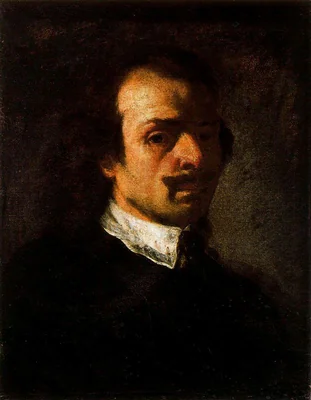
Pier Francesco Mola
Pier Francesco Mola, known as Il Ticinese, was a pivotal Italian painter of the High Baroque era, primarily centered in Rome. Active during a period marked by intense theoretical debate over ideal form and classical precedent, Mola offered a distinctive counter-voice characterized by stylistic freedom and an early interest in the independent landscape.
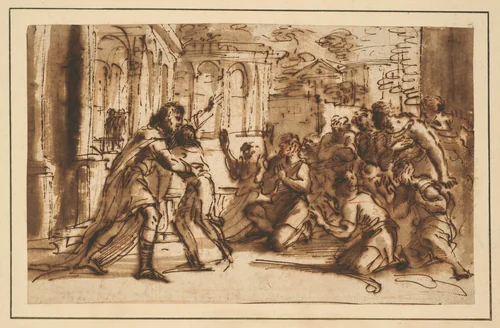
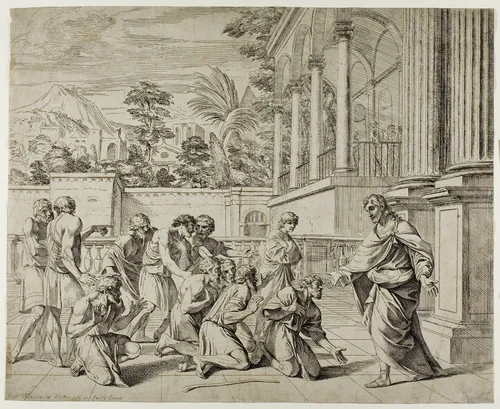
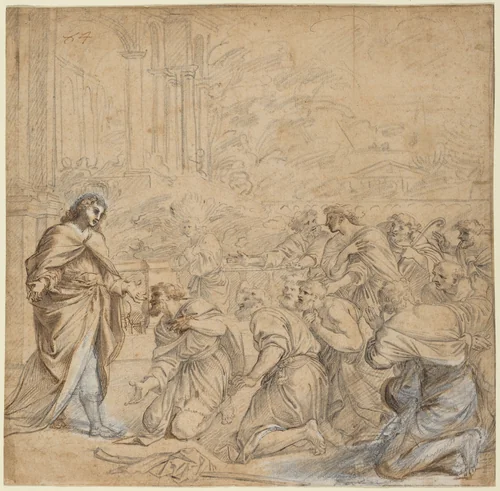
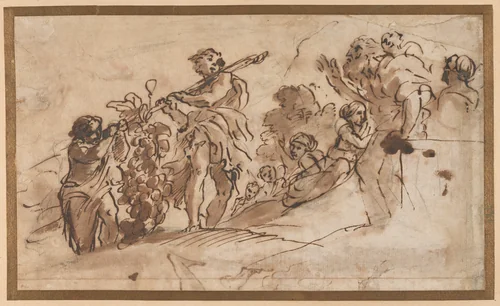
While Mola proved adept at large-scale mural commissions, earning him prestige among papal patrons, his most celebrated fresco remains Joseph making himself known to his Brethren (1657), located within the gallery of Alexander VII in the Quirinal Palace. This monumental work showcases his ability to handle complex narrative composition required of the High Baroque masters.
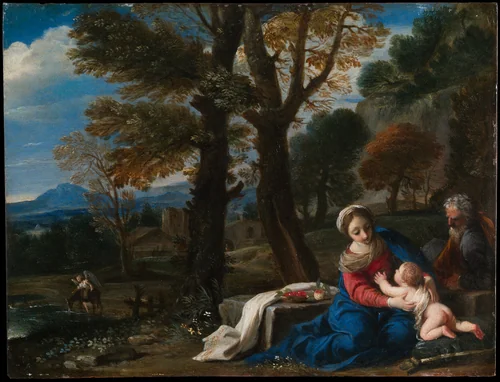
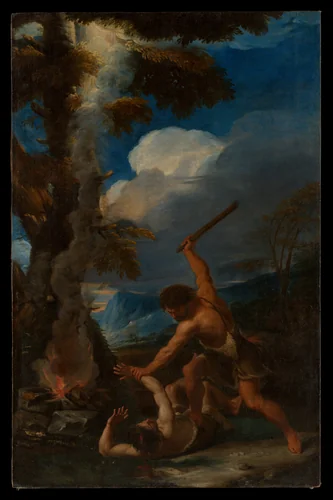
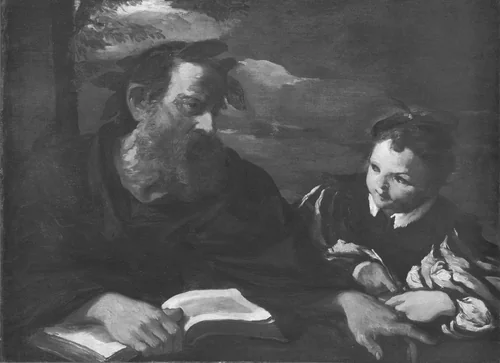
Despite his success in the grand manner, critical consensus holds that Mola excelled primarily in smaller cabinet pictures and oil sketches. These works distinguish him sharply from contemporaries like Andrea Sacchi, whose style represented the zenith of academic classicism. Mola eschewed highly theoretical frameworks, employing a notably looser handling of paint and a more naturalistic palette that lent immediacy and warmth to his subjects. He was keenly interested in exploring landscape elements not merely as backdrops, but as primary pictorial concerns, making his Pier Francesco Mola paintings significant for the development of the genre.
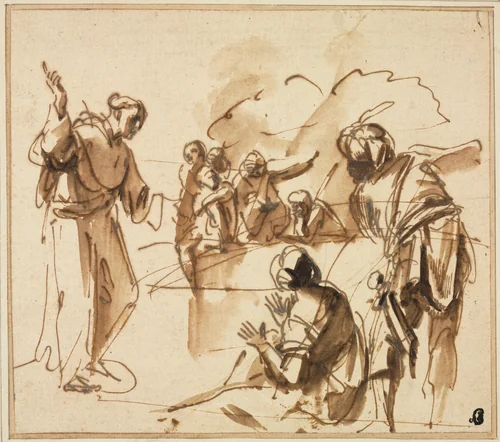
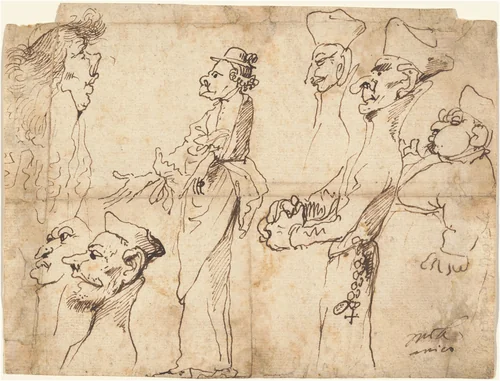
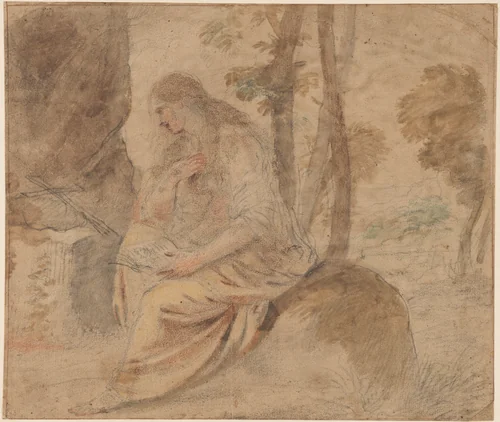
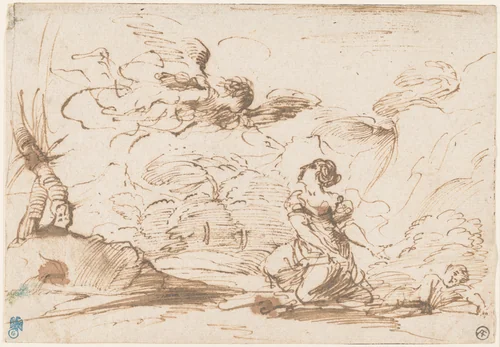
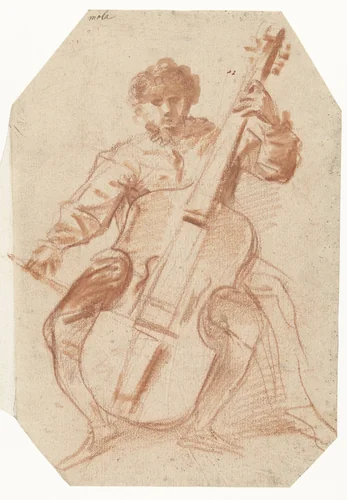
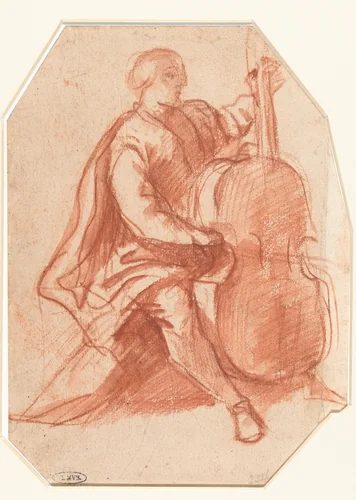
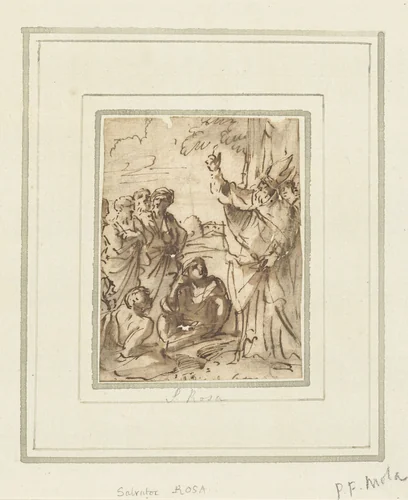
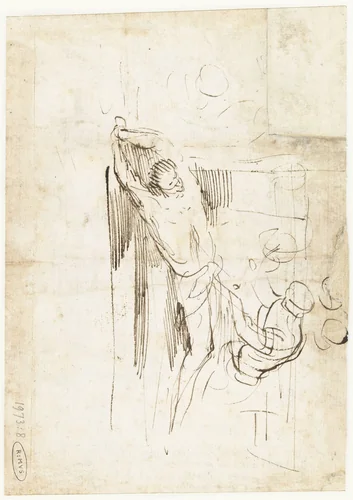
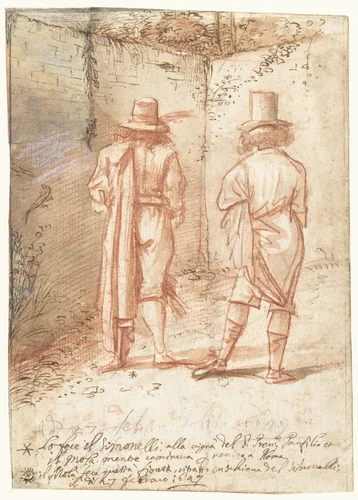
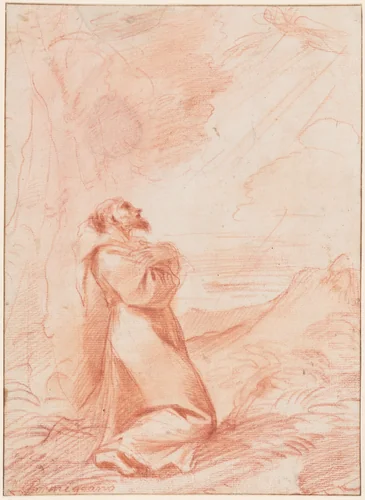
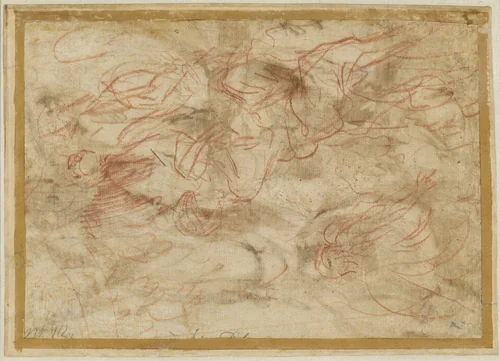
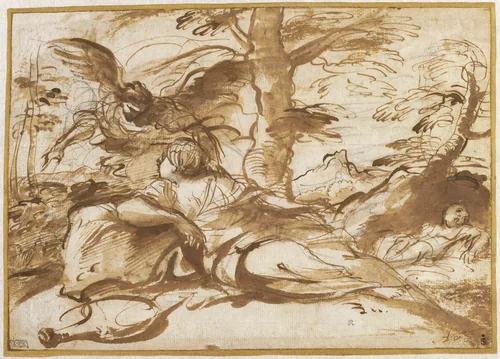
This same experimental attitude is evident in his extensive output of drawings and graphic works, which often circulated among collectors. His capacity for observation ranged from the mythological drama of Mercury and Argus to the private, witty study of character, such as the Caricature of a Man, Said to Be Pietro da Cortona. It is perhaps in these drawings where Mola’s subtle personality is best revealed, displaying an artist willing to step away from the formal demands of the Roman establishment for the sake of spontaneity.
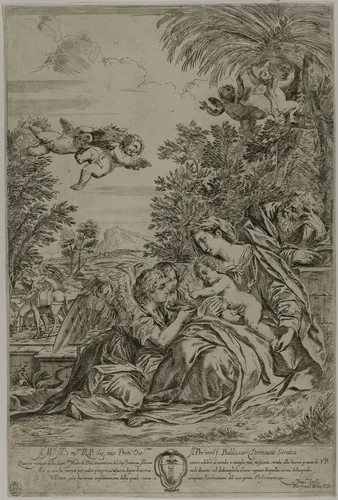
Today, Mola’s varied body of work, ranging from major commissions to intimate landscapes and graphic studies, is held in major international collections, including the National Gallery of Art and the Metropolitan Museum of Art. The experimental quality of his drawing practice means many of these preparatory studies are available as high-quality prints, preserving his innovative approach for modern viewers. The robust legacy of his work, now often accessible for scholarship and reproduction as royalty-free content, confirms his status as an essential figure in the seventeenth-century Roman school.
Source: Wikipedia · CC BY-SA 4.0