Piat Joseph Sauvage
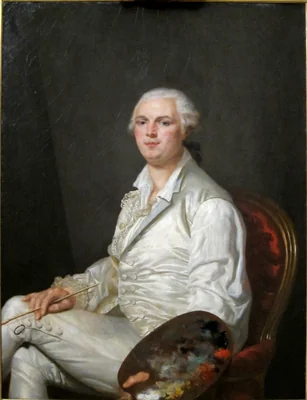
Piat Joseph Sauvage (1700-1780), sometimes identified as Pieter Joseph Sauvage, was a highly accomplished painter, sculptor, and academic lecturer whose practice defined a specific brand of sophisticated 18th-century decorative art. Hailing from the Southern Netherlands, Sauvage achieved significant status across Europe, securing court painter appointments with the Governor of the Southern Netherlands, the Prince de Condé, and the French King Louis XVI. His election to the prestigious Académie royale de peinture et de sculpture cemented his reputation as a master craftsman in Paris.
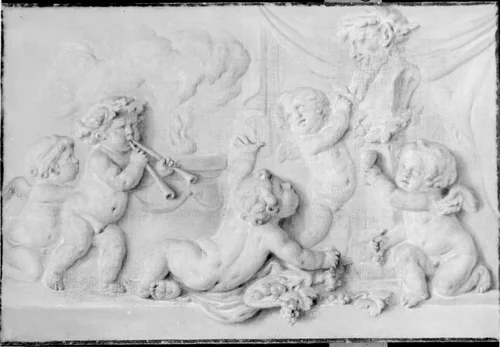
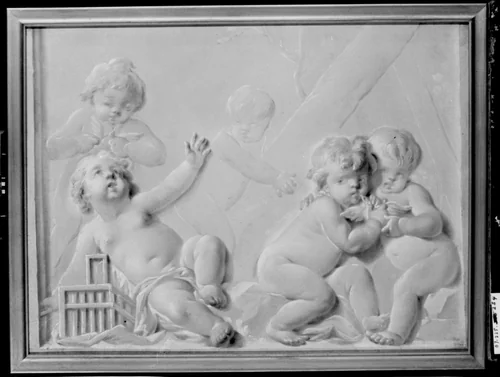
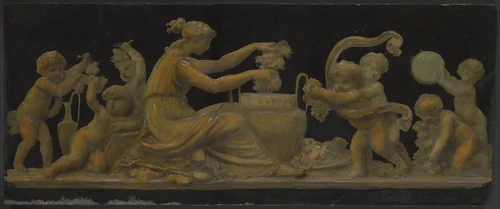
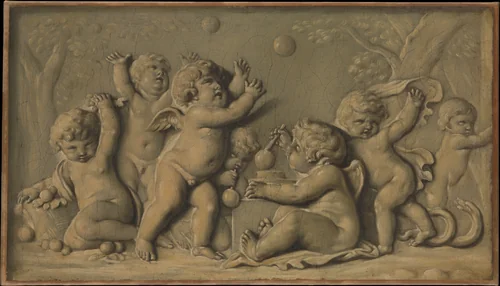
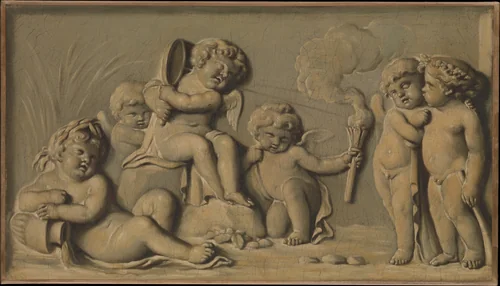
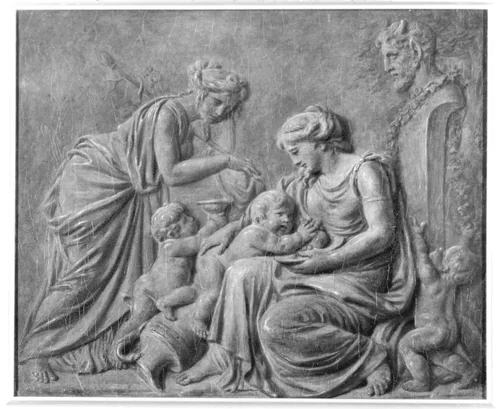
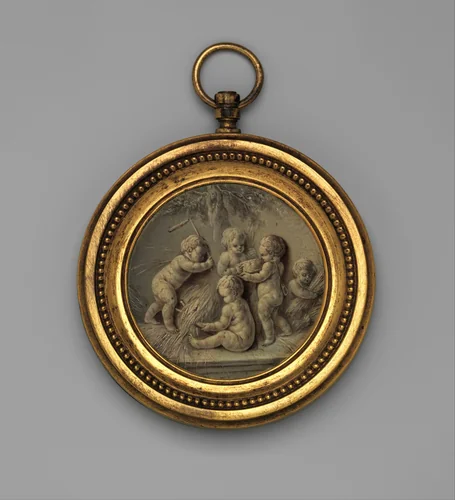
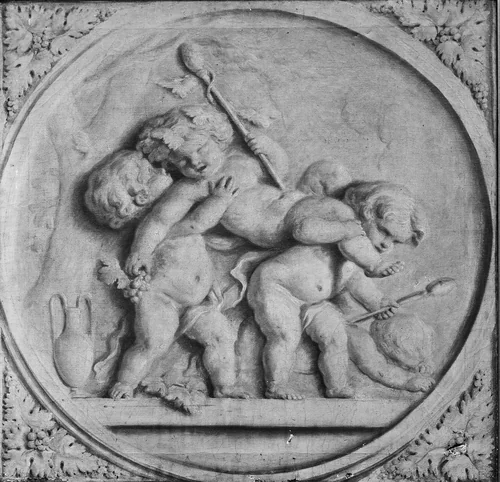
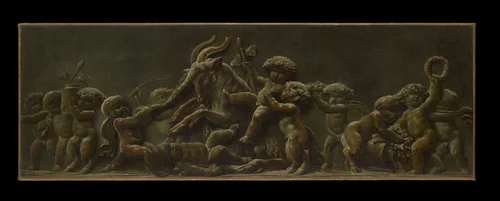
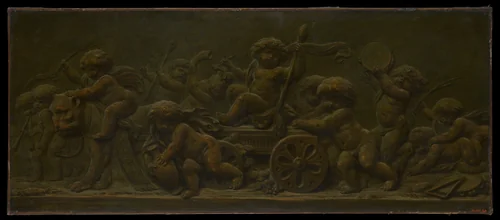
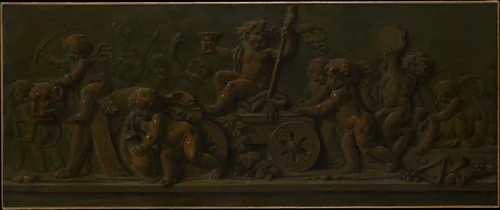
Sauvage’s career was built upon a masterful command of specialized techniques, focusing primarily on highly decorative interior schemes, miniatures, and panel paintings that employed intricate trompe l’oeil effects. His signature innovation was the grisaille, the illusionistic rendering of three-dimensional sculpture in monochromatic tones. These works required extraordinary technical control to convince the viewer that the flat surface was, in fact, an architectural bas-relief. This skill provided the perfect balance of Neoclassical elegance and Rococo lightness required for elite patronage.
What distinguishes Sauvage from many of his contemporaries was not just his proficiency in illusionism, but his pioneering use of non-traditional supports. For many of his cabinet pictures and miniature portraits, he deliberately eschewed canvas, instead painting directly onto challenging and costly materials such as marble, porcelain, and ivory. This fusion of luxury support with high-quality artistic execution elevated his status among collectors seeking refined objects.
Surviving examples of Piat Joseph Sauvage paintings, such as the mythological pairings like Nymph and Putti or the elegant decorative schemes embodied by Amorini at play, reveal an enduring interest in classical themes rendered with graceful precision. Given that his primary artistic output was dedicated to convincing viewers that flat objects were truly three-dimensional, Sauvage may be counted among history’s most successful, albeit charming, professional deceivers. Today, many of his meticulously crafted compositions are entering the public domain, making his unique approach to decorative art accessible as downloadable artwork. His works remain valued for their technical virtuosity and museum-quality finish.
Source: Wikipedia · CC BY-SA 4.0