Phillip Otto Runge
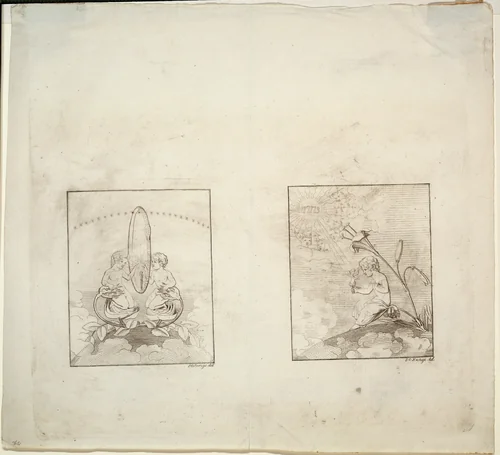
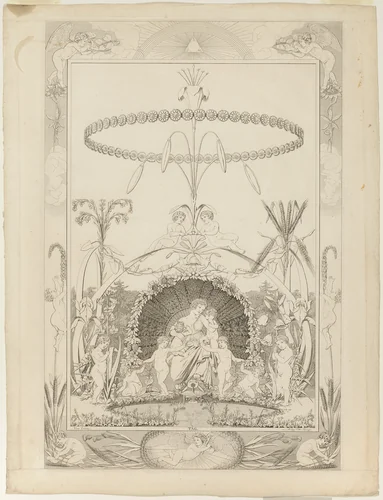
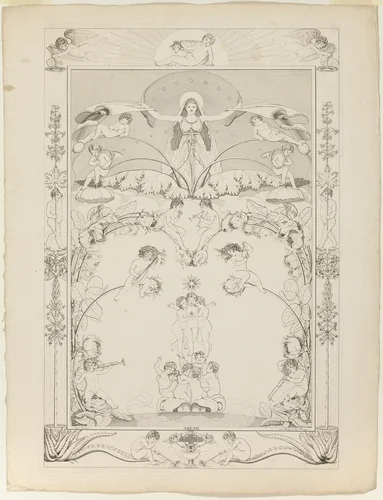
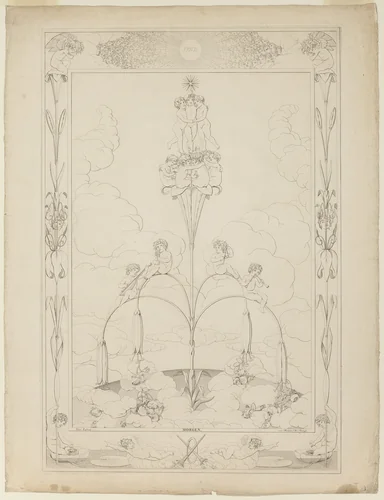
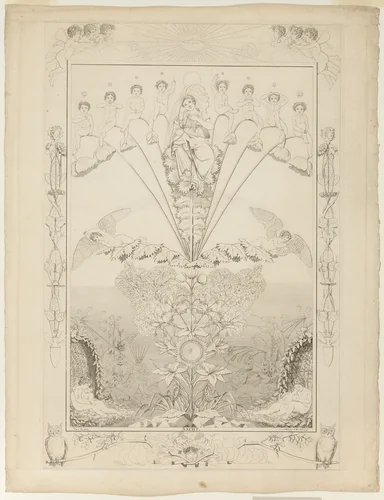
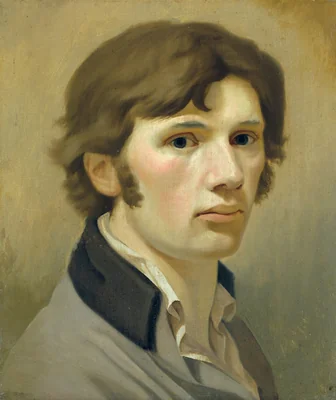
Philipp Otto Runge (1777-1810) was a pivotal German painter, draftsman, and color theorist, recognized as one of the preeminent figures of German Romanticism alongside Caspar David Friedrich. His existing works, including the five celebrated prints such as Child with Rosebud and the allegorical series Day, Evening, Morning, and Night, are held in major institutional collections, including the Art Institute of Chicago. Art historians frequently draw parallels between Runge and the English visionary William Blake, though Runge’s influential output was constrained by a remarkably brief, decade-long active career, making direct comparisons of scope challenging.
Possessing a brilliant intellect and deeply versed in contemporary philosophy and literature, Runge was an essential node in the German intellectual sphere. He was a prodigious letter writer and maintained correspondences and friendships with leading contemporaries such as Johann Wolfgang von Goethe, Ludwig Tieck, and Caspar David Friedrich. This engagement with philosophy informed his intensely symbolic and allegorical paintings, reflecting the era’s critical drive to unify visual art with intellectual philosophy. For eight years, he meticulously planned and refined his ultimate conceptual undertaking, Tageszeiten (The Times of Day). This project envisioned four monumental paintings, each spanning 50 square meters, intended as the visual core of a vast, collaborative Gesamtkunstwerk (total work of art) incorporating architecture, music, and poetry.
Runge’s aspiration with Tageszeiten was profoundly radical: he sought to abandon traditional Christian iconography in European art and forge a new visual expression for spiritual values primarily through complex symbolism in landscapes. This ambitious attempt to translate contemporary thought into artistic form led one historian to conclude, "In Runge's painting we are clearly dealing with the attempt to present contemporary philosophy in art." Though his monumental vision remained tragically unrealized at the time of his death at age 33, his theoretical legacy is secured by his influential volume on color theory, Sphere of Colors (1808), published the year he died. Today, high-quality prints of Phillip Otto Runge paintings and drawings are widely available as downloadable artwork in the public domain, offering widespread access to the visionary output of this foundational German Romanticist.
Source: Wikipedia · CC BY-SA 4.0