Philips Wouwerman
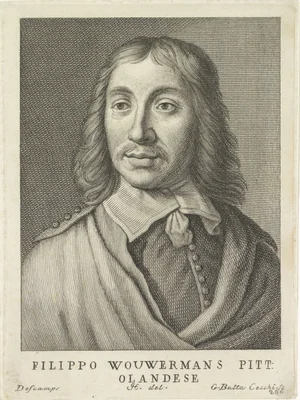
Philips Wouwerman (1619-1668) was among the most prolific and technically refined Dutch painters of the Golden Age, specializing in detailed genre scenes, landscapes, and military subjects. Active primarily between 1639 and 1660, he established a formidable reputation in Haarlem, where he joined the prestigious Guild of St. Luke. While many contemporaries focused on static domestic interiors or portraits, Wouwerman mastered dynamic compositions centered around action and movement, particularly the depiction of horses. He effectively cataloged the full scope of seventeenth-century equestrian life, from the lowliest stable hands to aristocratic hunting parties.
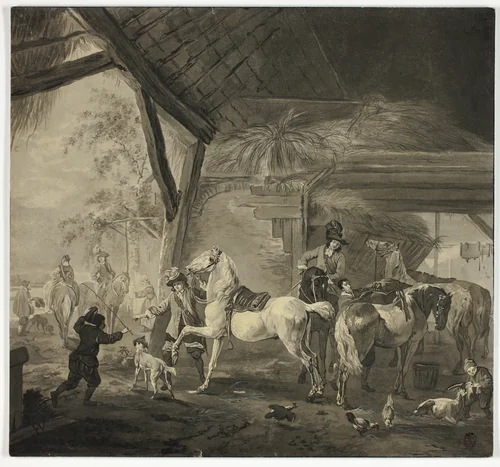
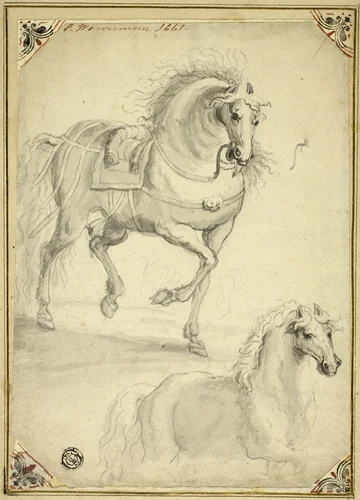
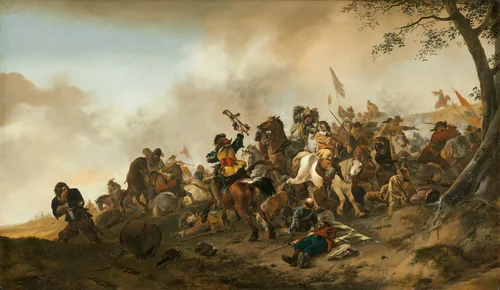
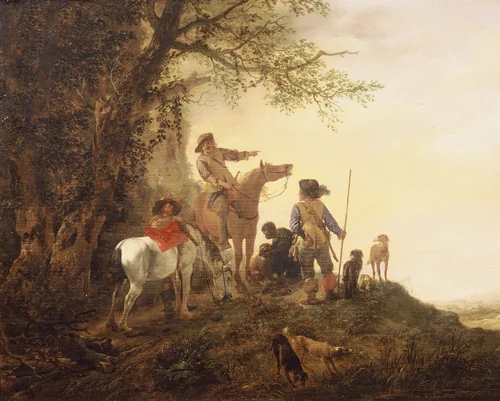
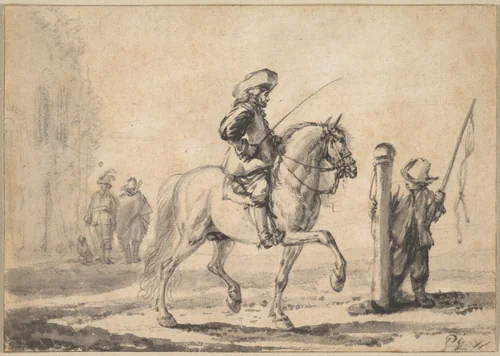
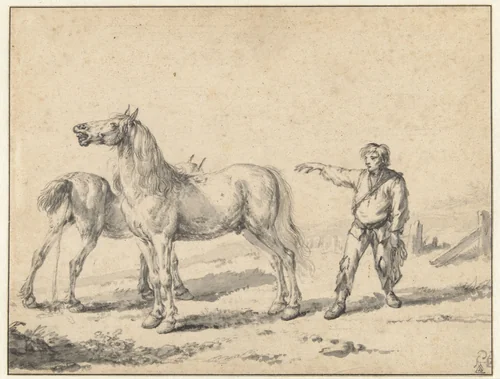
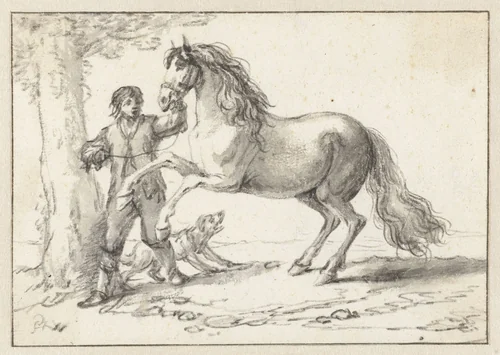
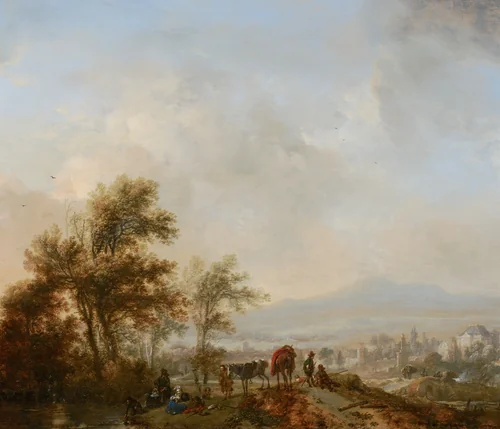
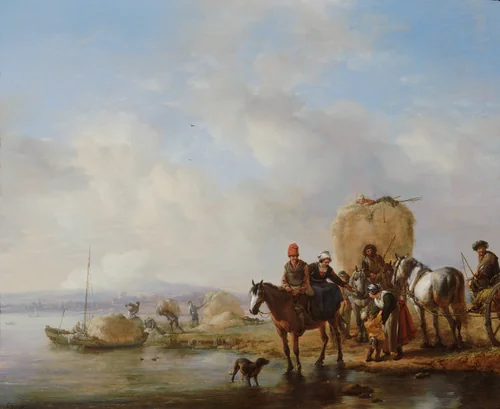
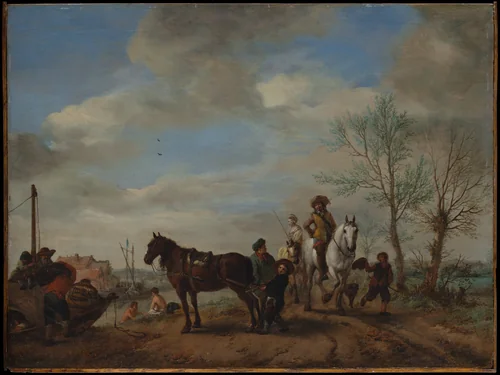
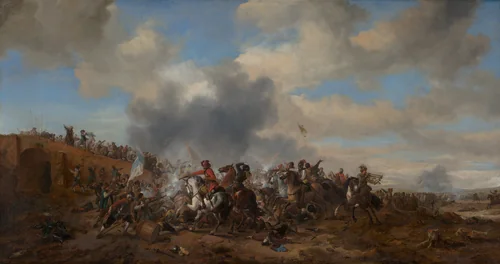
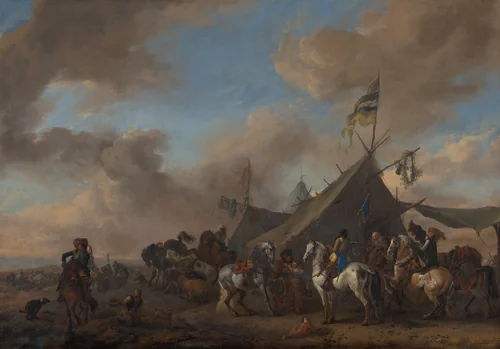
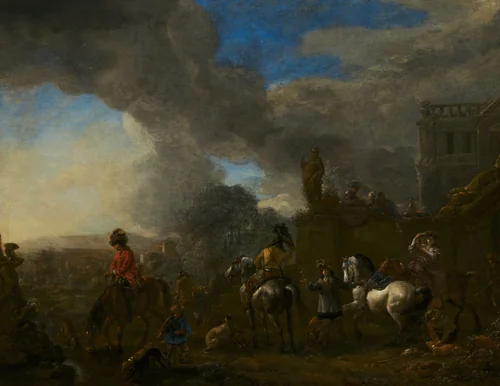
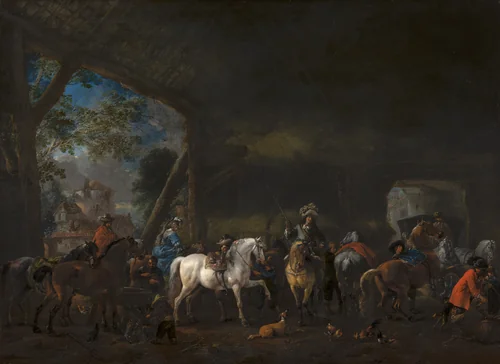
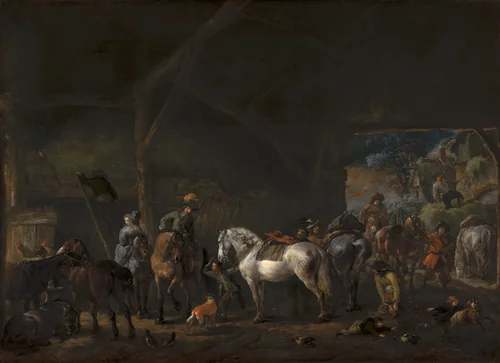
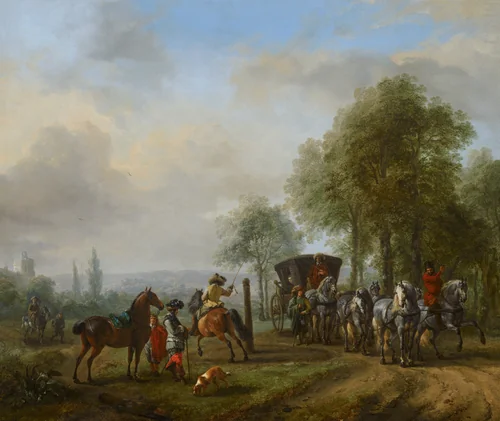
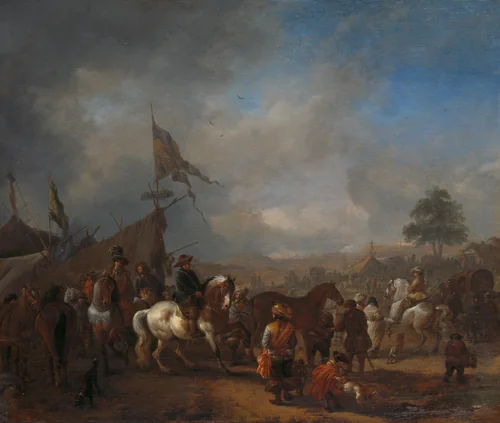
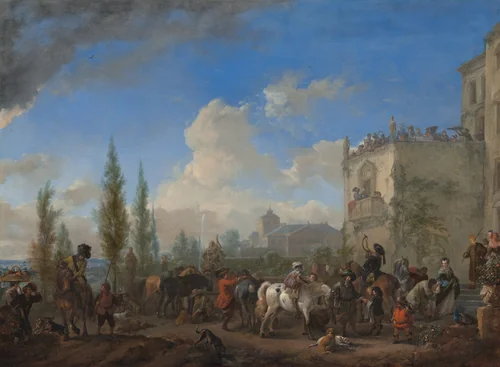
Wouwerman’s signature works deftly merge narrative drama with exquisite rendering of animals, architecture, and light. He possessed a keen and exacting eye for equine anatomy, making his stable interiors, such as Interior of a Stable, as essential for early studies in animal husbandry as they were for artistic merit. His remarkable output consistently captured the energy of both everyday activity and military high drama. Whether depicting the organized chaos of skirmishes, as seen in Battle Scene, or the quiet elegance of aristocratic leisure, exemplified by Hunters at Rest, his technical execution remained sophisticated and reliable. Works like A Mounted Grey Horse Being Schooled in Piaffe illustrate his specialized interest in dressage, a challenging subject that demands rigorous understanding of muscular tension and balance. His preparatory sketches, including Two Sketches of Trotting Horse, further underscore a meticulous process focused intensely on motion mechanics, elevating his Philips Wouwerman paintings far beyond simple genre documentation.
The immense popularity of Wouwerman during his lifetime led to widespread emulation, though few rivals achieved his particular deftness in handling textural surfaces and atmospheric perspective. His compositional clarity ensured his continued favor among serious collectors for centuries. Today, his masterpieces anchor major museum collections globally, residing in institutions such as the Art Institute of Chicago, the Metropolitan Museum of Art, and the National Gallery of Art. The clarity and historical depth of these works ensure their enduring museum-quality status. A significant number of his canonical images are now available in the public domain, allowing enthusiasts access to his remarkable vision through high-quality prints and downloadable artwork.
Source: Wikipedia · CC BY-SA 4.0