Philippines
The textile arts produced in the Philippines during the Spanish colonial period, flourishing particularly between 1701 and 1860, represent a sophisticated fusion of indigenous material knowledge and European decorative sensibilities. Positioned strategically as an archipelagic nation consisting of 7,641 islands in the western Pacific, the Philippines served as a critical nexus for the Manila Galleon trade, influencing and being influenced by global textile flows. This unique geographical and commercial placement allowed for the development of highly prized fiber crafts, most notably those employing delicate native fibers such as piña (pineapple fiber) and abaca (hemp).
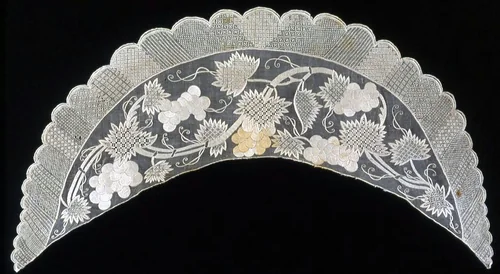
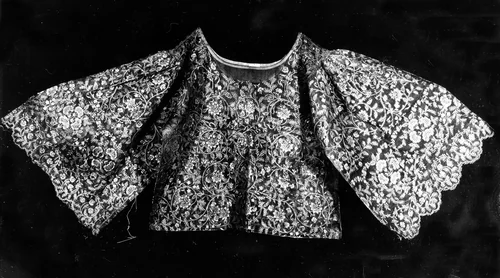
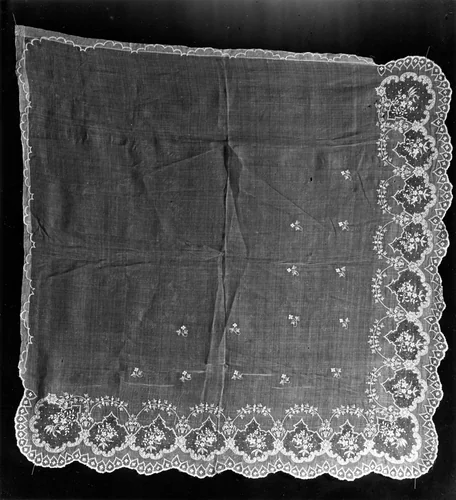
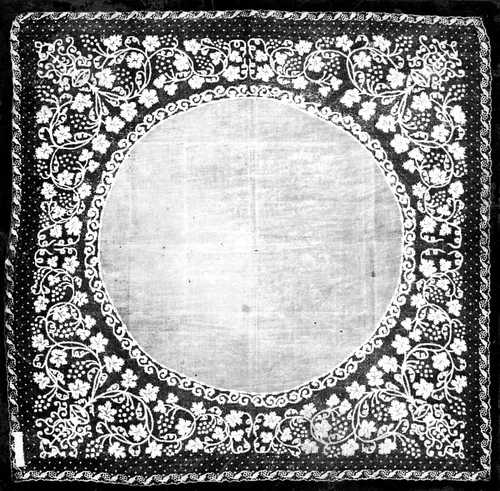
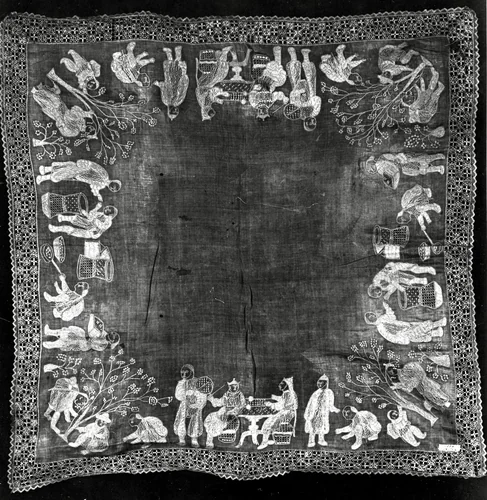
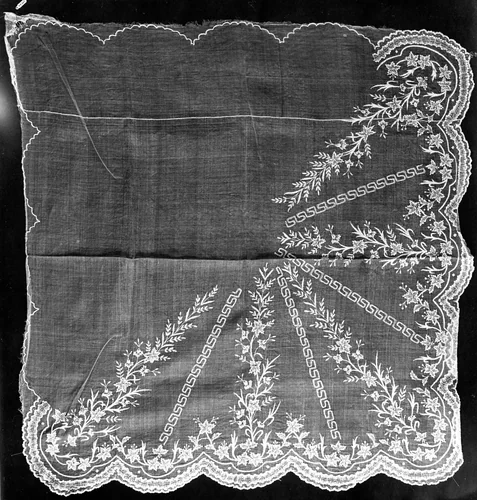
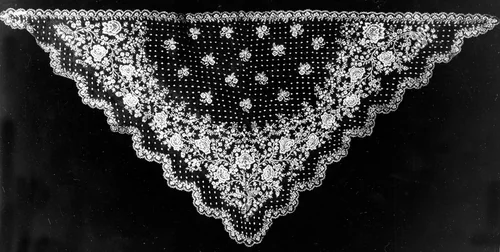
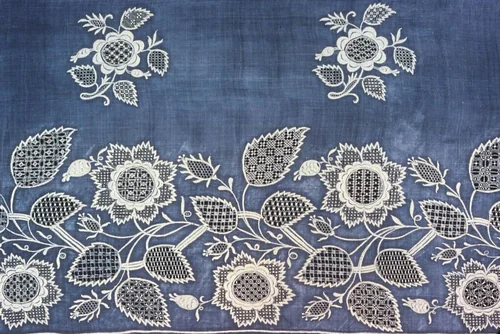
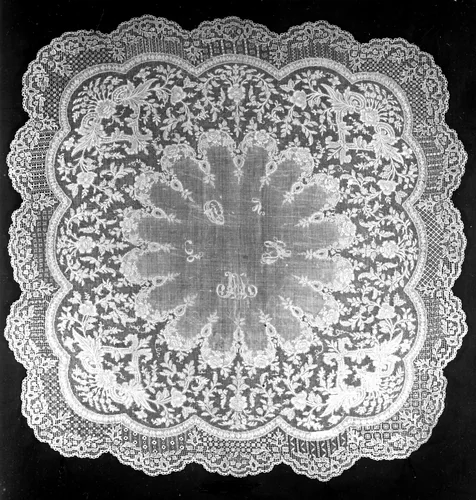
The body of work documented from this active period, now preserved in major international collections including the Art Institute of Chicago, focuses heavily on domestic and high-status personal attire. Cataloged works, which include the meticulously embroidered Collar, the fine Blouse, and multiple examples of the Handkerchief, illustrate the demanding standards of colonial-era needlework. These items required painstaking execution of complex techniques, such as calado (openwork) and fine drawn-thread work, demonstrating an exceptional level of technical mastery from the unnamed artisans. While often considered minor accessories, the sheer volume of high-quality, surviving Handkerchiefs suggests their importance as crucial markers of social status and refined artistic patronage in the 18th and 19th centuries. These items represent some of the finest museum-quality examples of historical Philippine craftsmanship.
The artistic impact of this period lies in its material innovation, turning raw, resilient indigenous fibers into ethereal, sheer fabrics suitable for elite consumption. The resulting textiles were exported across the empire and frequently served as diplomatic gifts. Today, detailed documentation and many high-resolution images relating to these historical Philippines prints and textiles are increasingly entering the public domain, offering researchers and designers unprecedented access to these fragile, downloadable artwork forms. This accessibility ensures the continued study of a pivotal era in Southeast Asian fiber history, one that balanced external demands with deep-seated local skill.
Source: Wikipedia · CC BY-SA 4.0